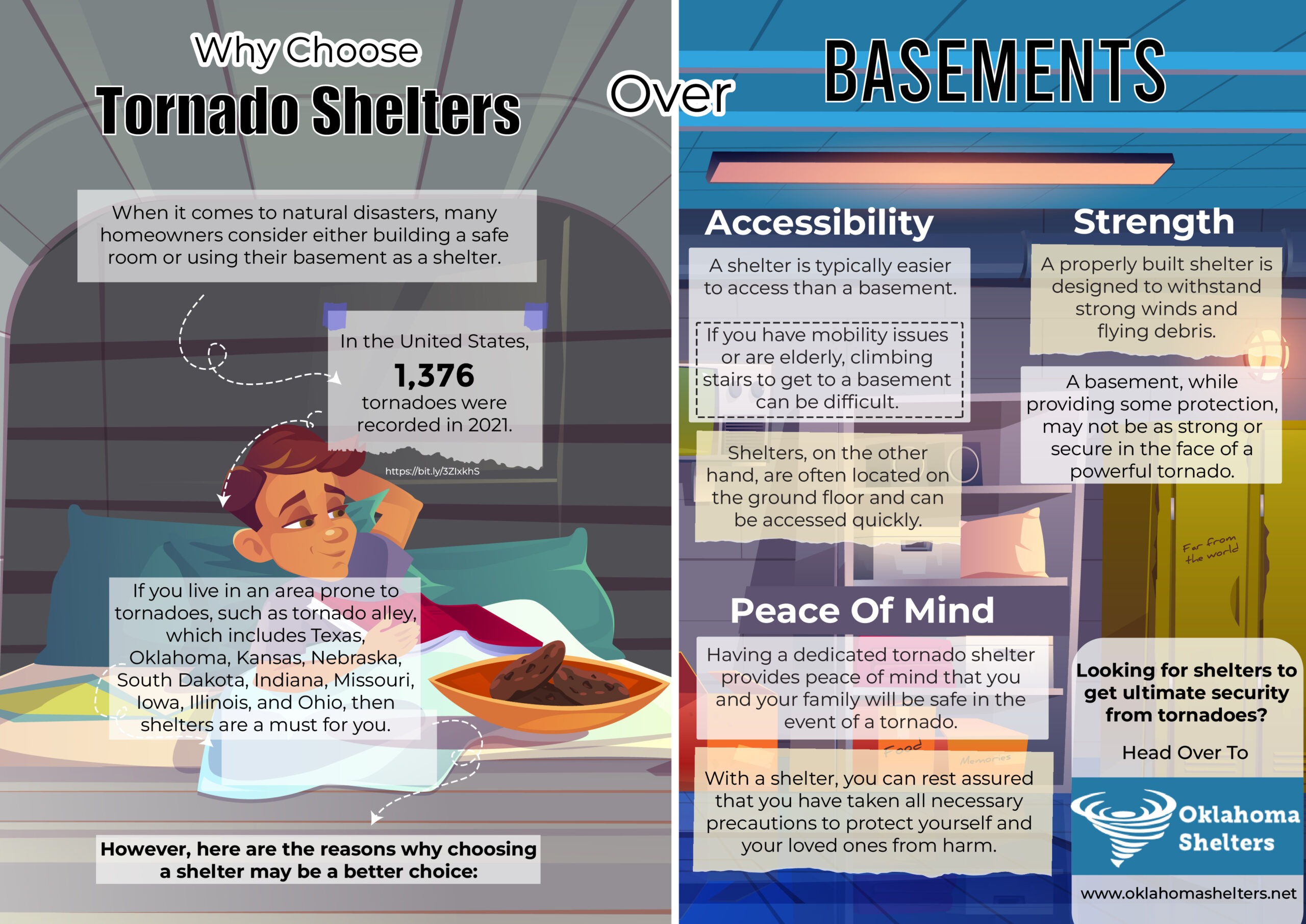
When it comes to natural disasters, many homeowners consider either building a safe room or using their basement as a shelter. In the United States, 1,376 tornadoes were recorded in 2021 alone, and the numbers continue to fluctuate annually. For residents in “Tornado Alley”—including Texas, Oklahoma, Kansas, Nebraska, South Dakota, Indiana, Missouri, Iowa, Illinois, and Ohio—deciding on a protection strategy is a life-saving necessity.
While basements have traditionally been seen as a safe haven, modern engineering and local environmental factors often make a dedicated tornado shelter a superior choice. Below, we explore why a professional shelter outclasses a standard basement in terms of accessibility, strength, and overall safety.
Accessibility: Speed Saves Lives with Tornado Shelter
Time is the most critical factor during a tornado warning. A shelter is typically easier to access than a basement. If you have mobility issues or are elderly, climbing or descending stairs to get to a basement can be difficult and dangerous during an emergency.
Ground-Floor Entry
Tornado shelters, on the other hand, are often located on the ground floor or in a garage. This allows for quick entry, often within seconds of hearing a siren. For families with small children, pets, or individuals with disabilities, the lack of steep staircases eliminates a major barrier to safety.
Proximity and Convenience
Basements are often used for storage or as utility spaces, meaning pathways might be cluttered. A dedicated storm shelter is a specialized space kept clear for one purpose: immediate occupancy. Being able to access protection without navigating through a dark, potentially cluttered basement can make a significant difference when every second counts.
Strength and Engineering Excellence
A properly built shelter is designed to withstand strong winds and flying debris. A basement, while providing some protection, may not be as strong or secure in the face of a powerful EF4 or EF5 tornado.
FEMA and ICC Standards
Professional shelters are engineered to meet or exceed FEMA P-361 and ICC 500 standards. This means they are tested against 250 mph winds and direct debris impacts (such as a 15-pound 2×4 board fired at 100 mph).
-
Basement Limitations: Most basements are built for utility, not life-safety. They are designed to support the weight of the house, not to resist the lateral forces or the “missile effect” of a tornado.
-
Structural Collapse: One of the greatest risks in a basement is the collapse of the house above. Heavy objects like refrigerators, pianos, or structural beams can crash through the floor into the basement.
Reinforced Materials
Tornado shelters are constructed from high-grade reinforced steel or concrete. Unlike a basement, which may have unreinforced cinder block walls, a shelter is a self-contained unit. It is anchored to a reinforced slab to prevent it from being overturned or lifted, even if the surrounding house is completely leveled.
The “Oklahoma Factor”: Why Basements Are Rare
If you live in Oklahoma, you may have noticed that very few homes have basements. There are several geological and practical reasons for this:
-
Red Clay Soil: Oklahoma’s soil has high clay content. This soil expands and contracts significantly as it gets wet and dries out. This pressure can cause basement walls to crack and leak over time.
-
High Water Table: Much of Oklahoma has a high water table. This makes basements prone to flooding and moisture issues, leading to mold and mildew.
-
The Frost Line: In northern states, builders must dig deep foundations below the freeze line, making it cost-effective to add a basement. In Oklahoma, the freeze line is shallow (about 18 inches), making deep excavation an expensive, unnecessary addition for most builders.
Because of these factors, an underground garage shelter or an above-ground safe room is a far more practical and durable solution for Oklahoma residents.
Hidden Risks of Using a Basement
Relying on a standard basement involves several hidden risks that a dedicated shelter resolves.
Flooding and Entrapment
Severe storms often bring torrential rain alongside high winds. If a basement floods or a pipe bursts during a storm, the refuge area can become a drowning hazard. Additionally, if the house collapses over the basement stairs, occupants can become trapped in a dark, flooded space with no clear way for rescuers to find them.
Poor Air Quality and Gas Leaks
In a total structural collapse, gas lines can rupture. A standard basement is not sealed against external gases. Professional shelters include integrated ventilation systems designed to provide fresh air while remaining protected from debris, and their locations are registered so first responders know exactly where to look.
Peace of Mind and Economic Value
Having a dedicated tornado shelter provides peace of mind that you and your family will be safe in the event of a tornado. With a shelter, you can rest assured that you have taken all necessary precautions to protect yourself and your loved ones from harm.
Insurance and Resale Benefits
Investing in a certified shelter is also a smart financial move:
-
Lower Insurance Premiums: Many insurance companies offer discounts for homes with FEMA-certified shelters.
-
Increased Property Value: In Oklahoma, a storm shelter is a major selling point. It makes a property much more attractive to potential buyers, often providing a 100% return on investment when it comes time to sell.
Ultimate Security
For those living in Tornado Alley, shelters are a must for you. The psychological relief of knowing you have a “near-absolute” level of protection allows you to remain calm during the chaotic spring storm season.
Choose Oklahoma Shelters for Proven Safety
If you are looking for shelters to get ultimate security from tornadoes, Oklahoma Shelters is the region’s leader in storm protection. We provide a variety of options including:
-
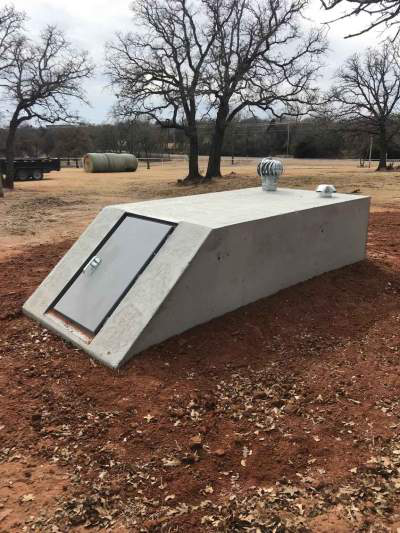
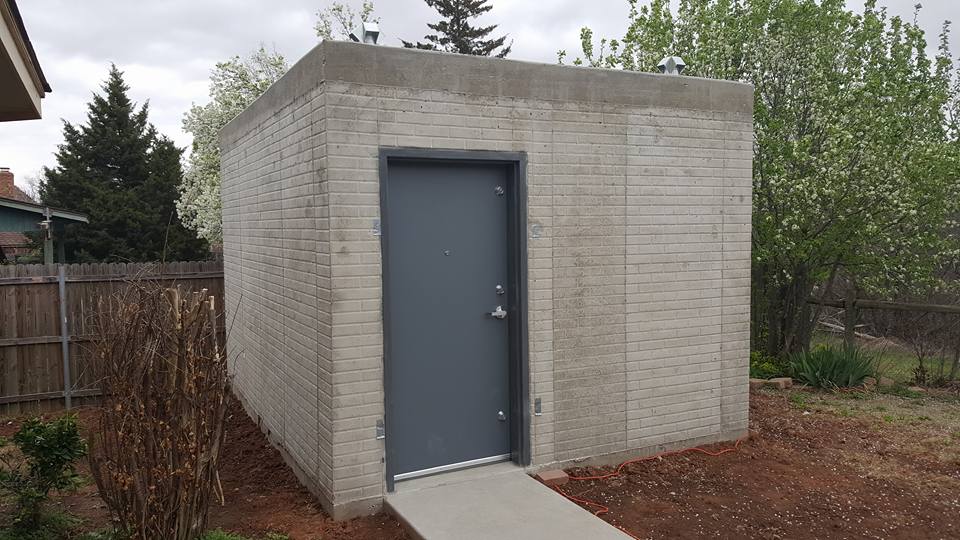
Above-Ground Safe Rooms: Ideal for accessibility and easy garage installation.
-
Underground Garage Shelters: Perfect for saving space while staying below ground.
-
Concrete Outdoor Shelters: Durable, traditional protection for any property.
Don’t leave your safety to a standard basement that wasn’t built for EF5 winds. Secure your family’s future with an engineered solution.