Finding Your Sanctuary: An Oklahoman’s Guide to Selecting the Right Storm Shelter
There is a specific kind of silence that settles over the red dirt of Oklahoma just before a major storm. It is a heavy, expectant quiet. As someone who has spent decades watching the horizon turn that haunting shade of “bruised-plum” green, I know that feeling in the pit of the stomach. We don’t live in fear here, but we do live with a deep, abiding respect for the wind.
When the sirens finally wail, you shouldn’t be wondering if your shelter will hold. You should know it will. But how do you separate a true life-saving fortress from a simple metal box? Selecting a storm shelter is one of the most significant investments you will make for your family’s safety.
In this guide, we will dive deep into the technical specifications, the structural requirements, and the practical realities of choosing a shelter that stands up to the worst Mother Nature can throw at us.
The Absolute Non-Negotiable: FEMA and ICC Standards
If you are looking at a shelter and the salesperson cannot produce documentation regarding FEMA P-320 or ICC 500 compliance, walk away. It is that simple. Why gamble with your life on unverified claims?
What is FEMA P-320?
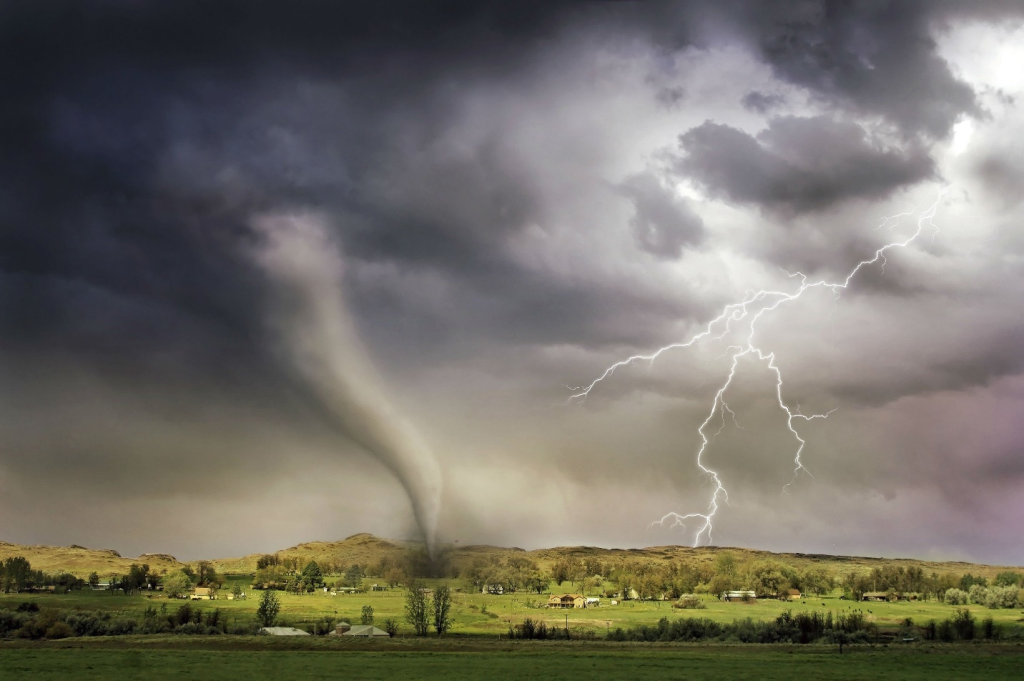
FEMA (the Federal Emergency Management Agency) provides the gold standard for residential safe rooms. A shelter that meets P-320 standards has been engineered to provide “near-absolute protection.” This means it is designed to withstand 250 mph winds, which is the threshold for an EF5 tornado.
What is ICC 500?
The International Code Council (ICC) 500 is the actual consensus standard for the design and construction of storm shelters. While FEMA provides the guidelines, ICC 500 is the code.
-
Debris Impact Testing: Does the shelter survive a 15-pound 2×4 wooden board shot at 100 mph?
-
Wind Pressure: Can the walls and ceiling handle the massive suction of a vortex?
-
Structural Integrity: Will it hold up if the rest of your house collapses on top of it?
Material Science: Steel vs. Concrete vs. Fiberglass
Have you ever wondered why some people swear by concrete while others insist on steel? Each material has its place in the Oklahoma landscape. Let’s break down the pros and cons of each through the lens of a long-term homeowner.
1. Steel Shelters
Modern steel shelters are incredibly popular for garage installations.
-
Precision Engineering: Steel allows for exact welds and precise door fits.
-
Ductility: Steel can bend slightly under extreme stress without cracking, which is a vital safety feature.
-
Rust Prevention: Ensure any steel unit you buy is powder-coated or galvanized to resist the moisture common in Oklahoma’s humid springs.
2. Concrete Shelters
The classic “tornado cellar” is usually made of reinforced concrete.
-
Mass and Weight: They are incredibly heavy, making them virtually impossible for a tornado to lift if installed correctly.
-
Cooler Temperatures: If you are stuck in a cellar during a summer power outage, concrete stays naturally cooler.
-
Potential for Cracks: Over decades, concrete can develop hairline fractures due to Oklahoma’s shifting clay soil. Always look for “high-strength” reinforced concrete (usually 5,000 PSI or higher).
3. Fiberglass Shelters
Fiberglass is often chosen for its resistance to the elements.
-
Corrosion Proof: It will never rust or rot.
-
Smooth Finish: These units are often easier to keep clean and free of spiders.
-
Installation Sensitivity: Because they are lighter, they must be anchored with extreme care to prevent “floating” in high water tables.
Location: Above Ground or Below Ground?
This is the most common question I get. For a long time, we believed you had to be underground to be safe. Science has changed that.
Above-Ground Safe Rooms
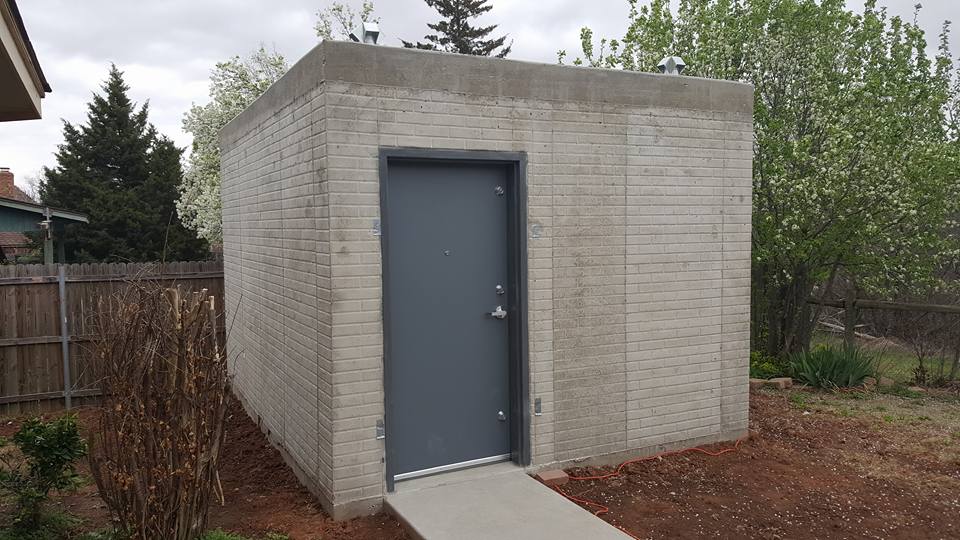
A well-engineered safe room bolted to a reinforced concrete slab is just as safe as a pit in the ground.
-
Accessibility: This is the biggest selling point. If you have mobility issues, use a wheelchair, or have elderly family members, stairs are your enemy during a fast-moving storm.
-
No Flooding: You don’t have to worry about water entering the shelter during the torrential rains that often accompany tornadoes.
-
Panic Room Utility: Many above-ground units double as a “safe room” for home security.
Below-Ground Garage Shelters
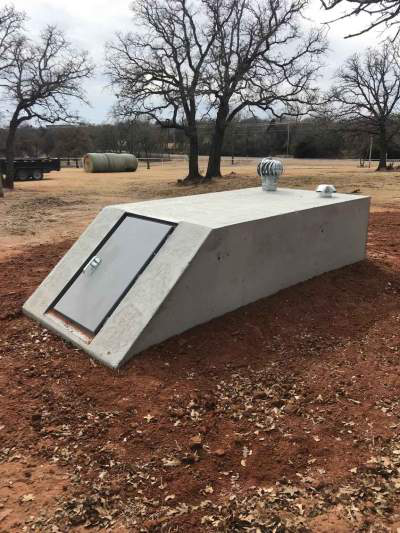
These are tucked away under your garage floor, taking up zero extra space.
-
Maximum Shielding: The earth itself acts as a shield against flying debris.
-
Out of Sight: They don’t interfere with your storage or your car’s parking spot.
-
The “Trapped” Factor: Always ensure your garage shelter has a sliding door or a high-capacity jack. You don’t want to be stuck inside if a car or debris falls on top of the lid.
The Anatomy of the Door: The Weakest Link
If a shelter fails, it almost always fails at the door. Think about it: the door is the only part of the structure that moves. It has seams, hinges, and latches that are vulnerable.
What to Look for in a Door:
-
Triple-Locking Systems: Look for three heavy-duty deadbolts. A single latch is not enough to resist the immense pressure changes of an EF4 or EF5 storm.
-
Inward-Swinging vs. Outward-Swinging: There is a debate here. An inward-swinging door is easier to open if debris is piled against it. An outward-swinging door provides more room inside. At Oklahoma Shelters, we often recommend inward-swinging for maximum post-storm exit safety.
-
Hinge Strength: The hinges should be massive. They are the pivot point that must resist hundreds of pounds of wind force.
-
The “Gap” Test: A quality door should fit so snugly that you can’t see light around the edges. This prevents wind from getting under the seal and “lifting” the door off its tracks.
Ventilation: Breathing Easy During the Roar
When the wind is screaming at 150 mph, the last thing you want to worry about is the air quality inside your sanctuary. However, ventilation is a critical engineering challenge.
How do you let air in without letting debris in? High-quality shelters use “baffled” vents. These are air paths that have a series of bends. Air can navigate the turns, but a piece of flying gravel or a 2×4 cannot.
Pro-Tip: Check the placement of the vents. They should be high enough that they won’t be easily blocked by shifting items in your garage, yet positioned to allow for a cross-breeze.
Accessibility and Comfort: It’s Not Just a Box
I remember one storm where we were in the shelter for nearly two hours. When you are crammed into a small space with two kids, a frightened dog, and a spouse, “comfort” starts to feel like a necessity rather than a luxury.
Space Requirements
Don’t just buy the smallest unit to save money.
-
The “5-Square-Foot” Rule: FEMA suggests about 5 square feet per person.
-
Future-Proofing: Are you planning on growing your family? Do you have pets? Give yourself some breathing room.
Interior Features
-
Seating: Look for shelters with built-in benches. Standing for an hour is exhausting for everyone.
-
Lighting: Many modern units come with battery-powered LED lighting.
-
Communication: Does your cell phone work inside the shelter? Some steel shelters act as “Faraday cages,” blocking signals. You may need to install a small signal booster or keep a hard-wired weather radio inside.
The Importance of Professional Installation
Can you DIY a storm shelter? Technically, yes. Should you? Absolutely not.
The safety of a shelter is 50% engineering and 50% installation. If a safe room isn’t anchored to the concrete slab with the correct torque and the right grade of bolts, the wind can simply pick up the entire unit—with you inside—and move it.
The Anchoring System
In Oklahoma, we deal with “heaving” soil. A professional installer understands how to use Hilti-style anchors or chemical epoxy anchors that won’t wiggle loose over time. They will also verify that your garage slab is thick enough (usually 4 inches minimum) to support the load.
Verification of the Installer
Before you sign a contract, ask these questions:
- Do you have liability insurance?
-
Do you handle the city permits and the registration with the local emergency management office?
Protecting the Most Vulnerable: Kids and Pets
As a parent, my biggest fear wasn’t the storm itself, but the panic it caused in my children. A good shelter should feel like a “safe place,” not a scary one.
-
For Kids: Choose a shelter with a smooth finish and enough room to keep a “storm kit” (coloring books, snacks, and toys).
-
For Pets: If you have a large dog, an underground garage shelter with a steep ladder might be impossible for them. An above-ground safe room with a walk-in door is usually the best choice for pet owners.
The Price of Peace of Mind
What is your family’s safety worth? In Oklahoma, a quality storm shelter typically ranges from $4,000 to $8,000 depending on the size and type.
While that might seem like a lot, consider the “life-cycle” of the investment. A well-built steel or concrete shelter will last 30 to 50 years. When you break it down, you are paying pennies a day for the guarantee that your family will survive the next major outbreak. Furthermore, a storm shelter often increases the resale value of an Oklahoma home by nearly the full cost of the installation.
Why Choose Oklahoma Shelters?
We aren’t just a manufacturer; we are your neighbors. We’ve seen the devastation of the May 3rd and May 20th storms firsthand. Our mission is to ensure that no Oklahoman ever has to face a storm without a plan.
Our shelters are:
-
Texas Tech Tested: Proven to withstand EF5-level debris.
-
FEMA Compliant: Built to exceed the highest federal safety standards.
-
Professionally Installed: Our crews are trained to handle Oklahoma’s unique geological challenges.
Your Next Steps
Don’t wait for the next “high-risk” weather day to start your search. The best time to install a shelter is when the sun is shining.
Are you ready to find your sanctuary? We would love to walk you through our showroom and show you the difference that quality engineering makes.
-
Get a Free Quote: Send an email to sales@oklahomashelters.net.
-
Talk to an Expert: Call us at (405) 367-7901.
-
Visit Us: See our above-ground and below-ground models in person.
Stay weather-aware, stay prepared, and remember: in Oklahoma, Tulsa, Lawton, Ada or Oklahoma City Metro Area we don’t just survive the storm—we conquer it.