Survival in the Heartland: The Ultimate Oklahoma Tornado Safety Guide
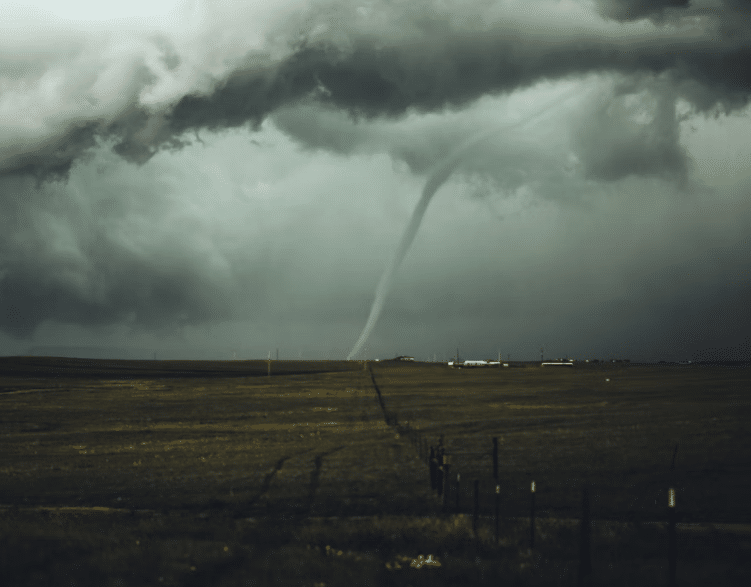
The air in Oklahoma changes right before a storm. It isn’t just the humidity or the wind shifting from the south. It is a heavy, electric tension that settles over the red dirt. If you have spent a single spring here, you know exactly what I mean. You find yourself glancing at the horizon, checking the movement of the clouds, and listening for that first low rumble.
I have lived through decades of Oklahoma springs. I remember the 1999 Moore tornado and the 2013 sirens that seemed to never stop. In this state, tornado safety isn’t a hobby. It is a mandatory life skill. We don’t live in fear, but we do live with a deep, abiding respect for what the sky can do.
Knowing what to do when the sky turns that haunting shade of green is the difference between a close call and a tragedy. Let’s walk through everything you need to know to keep your family safe.
The Reality of Atmospheric Volatility
Oklahoma sits at the heart of Tornado Alley for a reason. We are the meeting point for three very different types of air. Cold, dry air from the Rockies spills over the mountains. Warm, moist air surges up from the Gulf of Mexico. Finally, hot, dry air pushes in from the western deserts.
When these three meet over our heads, it creates a “cap.” When that cap breaks, the energy released is equivalent to several atomic bombs. This is why our storms are different. They aren’t just rain and thunder; they are massive, rotating machines.
Why the EF-Scale Matters
We measure tornadoes using the Enhanced Fujita (EF) Scale.
-
EF0-EF1: These are common. They break branches and peel shingles.
-
EF2-EF3: These are dangerous. They can lift cars and tear roofs off well-constructed homes.
-
EF4-EF5: These are the monsters. They can level entire neighborhoods and turn asphalt into dust.
In Oklahoma, we prepare for the EF5. If you are ready for the worst, you are ready for everything else.
Building Your Personal Fortress: Pre-Storm Preparation
Safety starts weeks before the first cloud forms. If you are waiting for the sirens to go off to start your plan, you are already behind.
The Anchor of Safety: The Storm Shelter
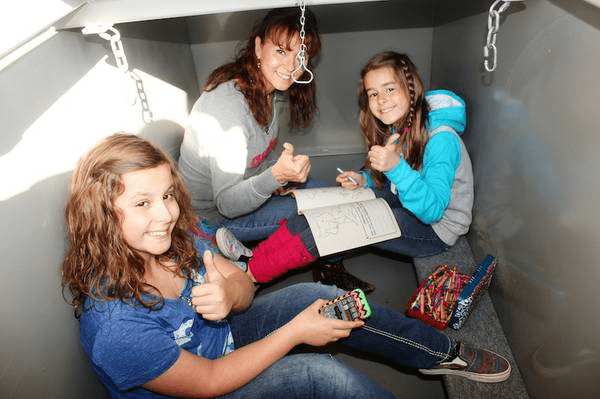
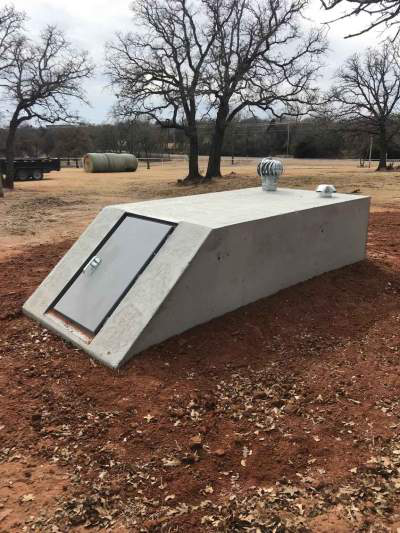
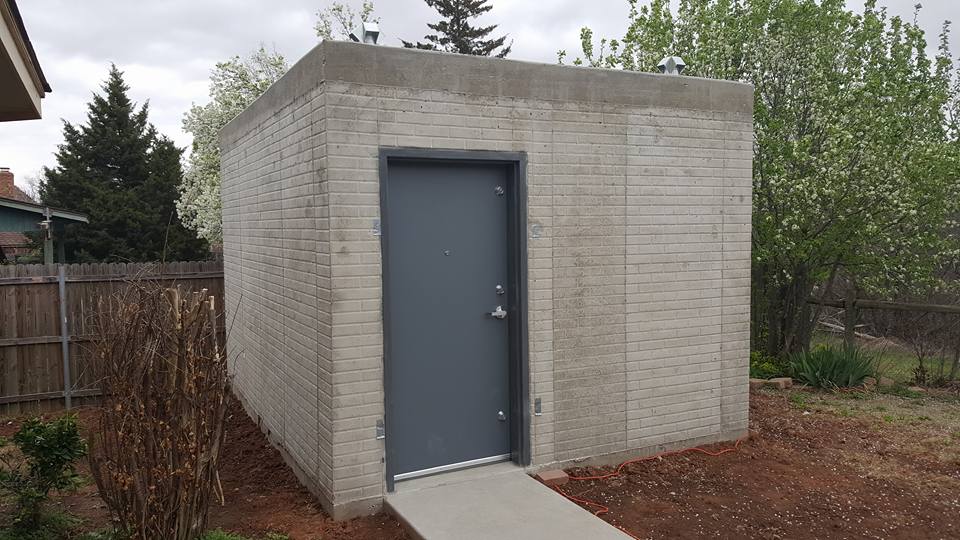
I often tell people that in Oklahoma, a storm shelter is as essential as an air conditioner. Your house is a place to live; your shelter is a place to survive.
A FEMA-certified safe room or an underground cellar is the only place where you are truly safe from an EF4 or EF5. Standard interior closets and bathtubs are “last resort” options. They are not fortresses.
If you don’t have a shelter yet, consider these factors:
-
Proximity: It should be inside the home or very close to it.
-
Certification: Ensure it meets FEMA P-320 or ICC-500 standards.
-
Accessibility: Can everyone in your family, including pets and those with mobility issues, get into it in under 60 seconds?
The Digital Guardian: Information is Power
How do you get your news? In Oklahoma, we have world-class meteorologists, but they can’t help you if your power is out and your phone is dead.
-
NOAA Weather Radio: This is your most important tool. It runs on batteries and will wake you up in the middle of the night if a warning is issued.
-
Wireless Emergency Alerts (WEA): Ensure these are turned on in your smartphone settings.
-
Local Weather Apps: Download apps from Oklahoma City or Tulsa stations. They provide live radar that is often more accurate than national apps.
The Essential “Go-Bag” Checklist
When the “Taco Warning” (as we Oklahomans say) becomes a reality, you need to grab one bag and go. This bag should be kept in your shelter or right next to the door.
-
Head Protection: I cannot stress this enough. Put old bicycle helmets or batting helmets in your shelter. Most tornado fatalities are caused by head trauma from flying debris.
-
Footwear: Never go to your shelter barefoot. If your home is damaged, the ground will be covered in broken glass and nails. Keep a pair of thick-soled boots in your bag.
-
First Aid: Include bandages, antiseptic, and a three-day supply of essential medications.
-
Communication: A portable power bank for your phone and a physical whistle. If you are trapped, a whistle is much louder than your voice.
-
Comfort Items: If you have children, a small toy or a familiar blanket can help lower their cortisol levels during the chaos.
Tactical Response: What to Do When the Sirens Sound
The siren is not a “come outside and look” signal, though many of us are guilty of that. The siren means a threat is imminent for your area.
If You Are at Home
-
Move to your safe place immediately. Don’t stop to gather jewelry or electronics.
-
Put on your shoes and helmets. 3. Protect your head. If you don’t have a helmet, use a heavy mattress or thick blankets to shield yourself from falling debris.
-
Stay put. Do not leave your shelter until the warning has expired and the “all clear” is given by a trusted meteorologist.
If You Are in a Vehicle
This is a terrifying situation. A car is one of the worst places to be during a tornado.
-
Do not try to outrun it. Tornadoes can change direction instantly and travel at 60 mph.
-
Find a sturdy building. A gas station or grocery store is better than a car.
-
As a last resort: If you cannot find a building, pull over. If you can get lower than the level of the road (like a deep ditch), lie flat and cover your head. Do NOT hide under an overpass; these act as wind tunnels and increase the wind speed.
If You Are in a Mobile Home
Mobile homes, even those with tie-downs, are not safe in a tornado. Most fatalities in Oklahoma occur in mobile homes.
-
Have a pre-arranged destination. Whether it is a neighbor’s shelter or a community safe room, you must leave the mobile home long before the storm arrives.
-
Watch the “Watch.” If a Tornado Watch is issued, that is your signal to move to a safer location. Don’t wait for the Warning.
The Science of Debris: Why Windows Stay Closed
There is an old wives’ tale that says you should open your windows to “equalize the pressure.” Please, forget you ever heard that.
Opening windows allows the wind to enter your home. Once that wind gets inside, it acts like a balloon, pushing up on the roof and out on the walls. This actually makes it more likely that your house will explode.
Keep your windows closed. Stay away from them. Glass is the first thing to break, and it becomes a thousand tiny daggers in high winds.
Safety for Our Four-Legged Oklahomans
Our pets are part of the family, and they feel the pressure drop just as much as we do.
-
Leash up early. Don’t wait until the sirens start to look for the cat. Put them in a carrier or on a leash as soon as a watch becomes threatening.
-
ID Tags. Ensure your pets have collars with your phone number. In the aftermath of a storm, many pets are separated from their owners.
-
Shelter Training. Occasionally feed your pets in your storm shelter. You want them to associate the space with something positive so they don’t fight you when it’s time to go inside.
The Aftermath: Navigating the Danger Zone
The danger doesn’t end when the wind stops. In many ways, the hour after a tornado is just as dangerous as the storm itself.
Immediate Hazards
-
Downed Power Lines: Never touch a downed line or any puddle of water near one.
-
Gas Leaks: If you smell gas or hear a hissing sound, get away from the area immediately. Do not use matches or lighters.
-
Structural Instability: Be extremely careful entering any building. Walls may be leaning, and floors may be compromised.
Helping Neighbors
In Oklahoma, we take care of our own. Once you are sure your family is safe, check on your neighbors. Use your whistle or shout to see if anyone is trapped. However, do not put yourself in a position where you also need to be rescued.
The Psychological Toll: Managing “Storm Anxiety”
Living in Oklahoma requires a certain amount of mental fortitude. It is normal for children—and adults—to feel a sense of dread when the sky darkens.
The best way to combat this anxiety is through “Agency.” Agency is the feeling that you have control over your situation. When you have a practiced plan, a stocked go-bag, and a certified shelter, your brain shifts from “Panic Mode” to “Problem-Solving Mode.”
Talk to your children about the weather. Explain how the sirens work. Make the “storm drill” a routine part of your spring. Knowledge is the ultimate antidote to fear.
Frequently Asked Questions
What is the safest room in a house without a shelter?
The safest place is an interior room on the lowest floor with no windows. This is often a bathroom, closet, or the space under a staircase. Put as many walls as possible between you and the outside.
Should I get under a bridge during a tornado?
No. Never hide under a bridge or overpass. The “Venturi Effect” causes wind to speed up as it passes through the narrow opening under a bridge. It also offers no protection from flying debris.
How do I know if a tornado is coming at night?
A NOAA Weather Radio is the most reliable way to receive alerts while you are sleeping. Many modern radios have a “Public Alert” feature that will sound a loud siren even if the radio is turned off.
Can a tornado hit a downtown area?
Yes. There is a myth that “heat islands” or tall buildings prevent tornadoes. History has proven this false multiple times. No location is “immune” to a tornado.
Final Thoughts: A Culture of Readiness
Being an Oklahoman means enjoying the wide-open skies and the most beautiful sunsets on Earth. It also means accepting the responsibility of living in a high-wind environment.
We don’t live in fear because we live in preparation. We know the difference between a watch and a warning. We have our shoes ready by the door. We have our shelters registered with the city.
If you haven’t taken the step to install a professional safe room, I urge you to consider it. It is the only way to look at a bruised-green sky and feel a sense of total peace.
Stay vigilant, stay informed, and stay safe.
Protect what matters most. Oklahoma Shelters is dedicated to providing the highest level of storm protection in the state. From above-ground safe rooms to underground garages, we have a solution for every home.
Email for a free consultation: sales@oklahomashelters.net