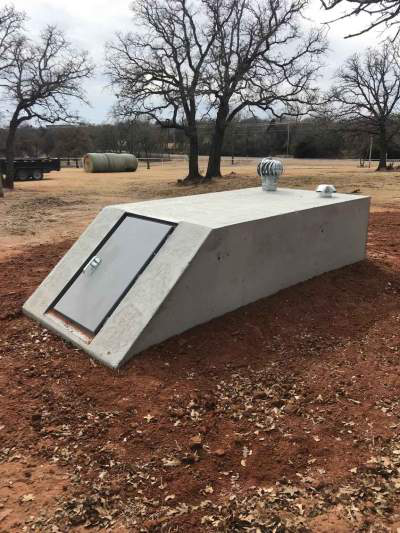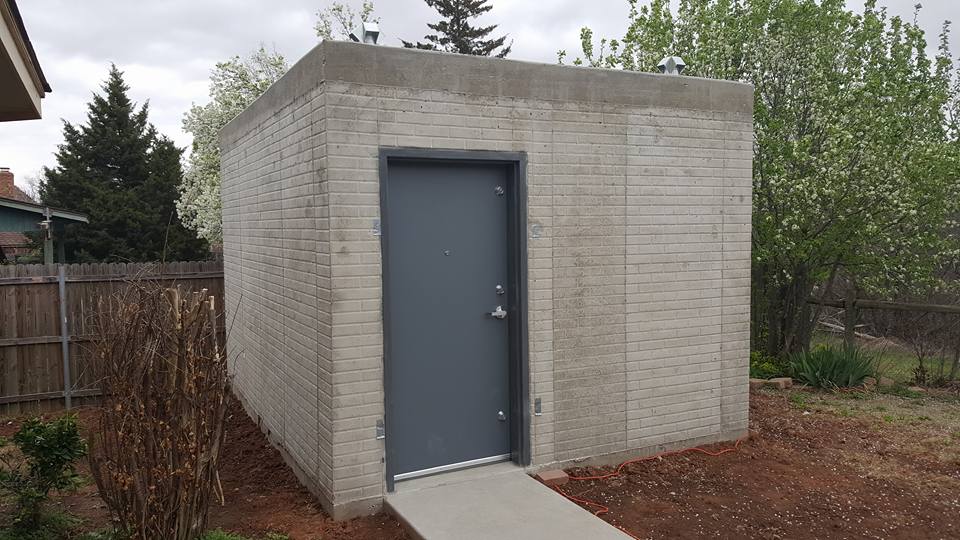
Oklahoma is famous for its unpredictable weather patterns and frequent severe storms. Every year, the state sees its fair share of tornadoes. On average, Oklahoma experiences 52 tornadoes annually. For residents, having a reliable storm shelter is not just a luxury; it is a life-saving necessity.
However, a well-built shelter is only the first step. To ensure your family’s safety when it matters most, you must keep your shelter well-maintained and ready for action. This guide provides a comprehensive roadmap for maintaining your storm shelter to ensure it remains a reliable haven during the most turbulent weather.
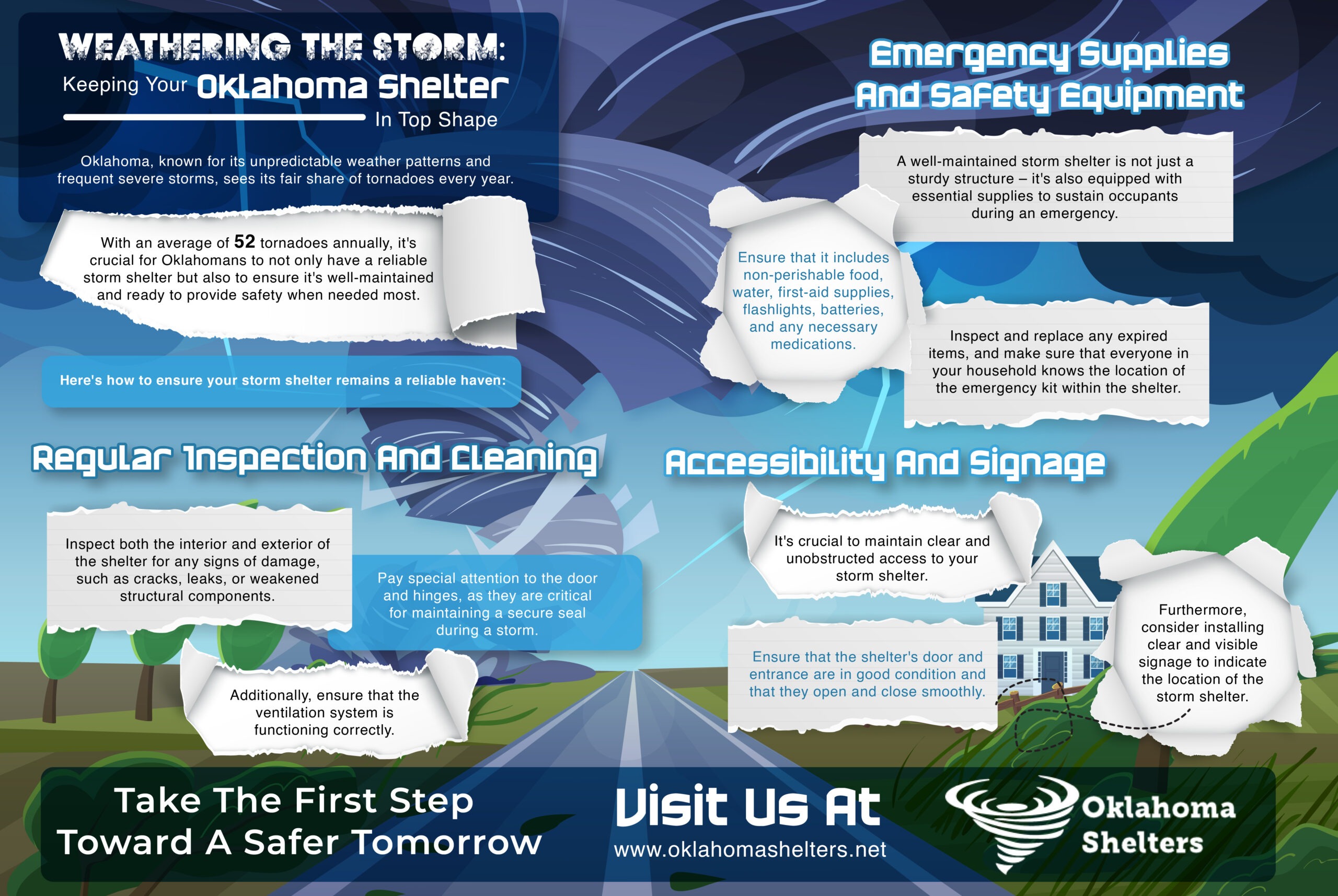
The Importance of Regular Maintenance
A storm shelter is a specialized piece of safety equipment. Like any other part of your home, it requires regular upkeep. Over time, moisture, dirt, and wear can compromise the integrity of the unit. In Oklahoma, where the soil can shift and weather varies from extreme heat to freezing cold, professional maintenance and self-inspection are critical.
Regular Inspection and Cleaning
The foundation of shelter safety is the physical integrity of the structure. You should perform a deep inspection of your shelter at least twice a year—ideally once in late winter and once in mid-summer.
Interior and Exterior Structural Checks
Walk through and around your shelter. Look for any visible signs of wear or damage.
-
Cracks and Leaks: For concrete shelters, check for hairline cracks where water might seep in. For steel units, look for signs of rust or corrosion.
-
Structural Components: Ensure that the walls and ceiling show no signs of bowing or shifting. If the shelter is underground, check the surrounding ground for erosion that might expose the unit to the elements.
Critical Focus: Doors and Hinges
The door of your storm shelter is its most important mechanical component. It is the only thing standing between you and 200 mph winds.
-
Secure Seals: Inspect the gaskets and seals around the door. They must be airtight to prevent pressure changes and debris from entering.
-
Hinge Functionality: Apply a silicone-based lubricant to the hinges regularly. This ensures the door opens and closes smoothly. During a storm, you cannot afford to have a door that sticks or jams.
-
Latch Mechanisms: Test the locking bolts. They should slide easily into place and stay secure without rattling.
Ventilation Systems
A safe room is an enclosed space. Proper airflow is essential for the comfort and safety of the occupants.
-
Clear Obstructions: Ensure that the air vents are not blocked by bird nests, spider webs, or debris.
-
Fan Inspection: If your shelter has an active ventilation fan, test it to ensure the motor is running correctly and the batteries are fresh.
Emergency Supplies and Safety Equipment
A well-maintained storm shelter is more than a sturdy box. It must be equipped with essential supplies to sustain your family during and after an emergency. A shelter is often used in situations where power and water lines are cut.
Building Your Survival Stock
Your shelter should be a self-contained survival pod. Ensure your emergency kit includes:
-
Water and Food: Store at least one gallon of water per person per day. Include non-perishable food items like canned goods, protein bars, and shelf-stable meals.
-
Medical Supplies: A high-quality first-aid kit is mandatory. Include bandages, antiseptics, and a backup supply of any necessary medications for your family.
-
Lighting and Power: Flashlights are essential. Keep several LED models inside, along with a large supply of fresh batteries.
-
Communication: A small, self-powered or battery-operated radio is vital for receiving weather updates from the National Weather Service.
The “Expiration” Audit
One of the most common mistakes Oklahomans make is letting their supplies expire.
-
Rotate Food and Water: Check the dates on your food and water every six months. Consume and replace anything nearing its expiration date.
-
Battery Health: Batteries can leak over time. Store batteries in a separate waterproof container and check them for corrosion annually.
-
Knowledge is Power: Ensure every member of your household knows exactly where the emergency kit is located within the shelter. In the dark, they should be able to find it by touch.
Accessibility and Signage
In a tornado emergency, seconds count. Your shelter must be easy to find and easy to enter at a moment’s notice.
Maintaining Clear Access
It is crucial to maintain unobstructed access to your storm shelter.
-
Garage Shelters: If you have an underground garage shelter, ensure that you do not stack heavy boxes or park vehicles in a way that blocks the lid.
-
Outdoor Units: For outdoor cellars, keep the path clear of overgrown brush, mud, or yard debris.
-
Interior Safe Rooms: Ensure the hallway leading to your safe room is clear of clutter.
Signage and Visibility
Consider installing clear and visible signage to indicate the location of the shelter. This is especially important for guests or emergency responders.
-
Reflective Markings: Use reflective tape on the door handle or the lid of the shelter so it can be seen easily with a flashlight if the power goes out.
-
Registration: Most Oklahoma cities allow you to register the GPS coordinates of your storm shelter with the local fire department. This ensures that if your house is damaged, responders know exactly where to look for your safe room.
Take the First Step Toward a Safer Tomorrow
A storm shelter is the best investment you can make for your family’s safety in Oklahoma. At Oklahoma Shelters, we specialize in the installation and maintenance of high-quality, debris-tested storm shelters. Whether you need a new underground unit or a professional inspection of an existing safe room, our team is here to help.
Don’t wait until the next tornado warning to find out if your shelter is ready. A small amount of maintenance today can save your life tomorrow.
Why Choose Oklahoma Shelters?
-
Local Expertise: We understand the specific weather challenges of the Oklahoma landscape.
-
FEMA Standard Units: All our shelters are engineered to meet and exceed national safety standards.
-
Complete Support: From installation to long-term maintenance tips, we are your partner in storm safety.
Contact Oklahoma Shelters Today
Oklahoma Shelters Protecting Oklahoma Families Through Every Storm.