Living in Oklahoma means respecting the power of nature. We reside in the heart of Tornado Alley. Every year, spring and fall bring the threat of severe weather. Preparation is not just a suggestion; it is a necessity for every household.
Waiting for a sirens to wail is too late. Real safety happens weeks and months before the clouds turn green. This guide outlines everything you need to stay safe in 2026. We cover communication, emergency supplies, and the most critical step: professional protection.
Why 2026 Requires New Preparedness Standards
Meteorological technology is better than ever. However, storms are becoming more unpredictable. Early season outbreaks are now common. This means Oklahomans must be ready earlier in the year.
The “traditional” tornado season is expanding. You cannot assume you are safe just because it is March or October. A comprehensive plan ensures that no matter when a cell develops, your family knows exactly what to do.
Step 1: Secure Professional Tornado Protection
The most important item on any Oklahoma safety list is a certified shelter. Taking cover in a closet or a bathtub is a last resort. It is not a plan. High-wind events, specifically EF4 and EF5 tornadoes, require steel and concrete.
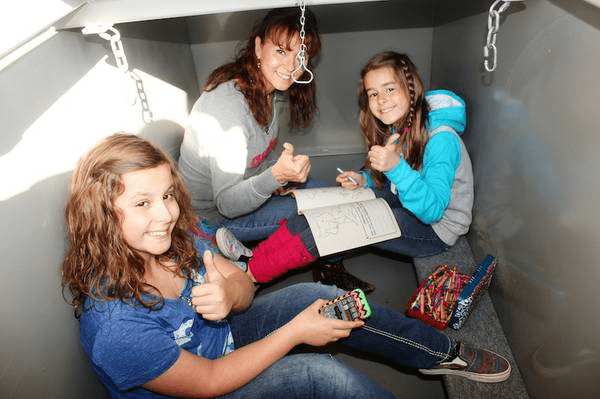
Oklahoma Shelters provides the highest level of protection available. We install shelters that meet and exceed FEMA standards. Having a dedicated space means you never have to worry about the structural integrity of your home during a strike.
Choose the Right Shelter for Your Property
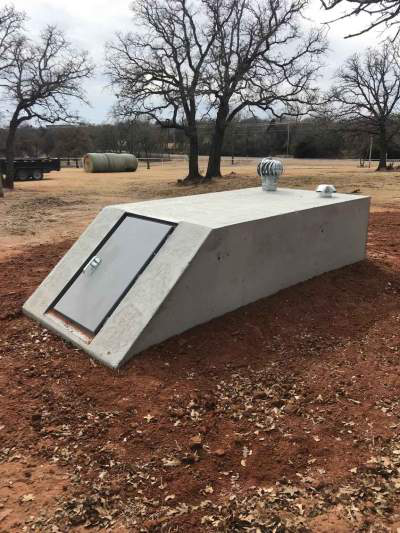
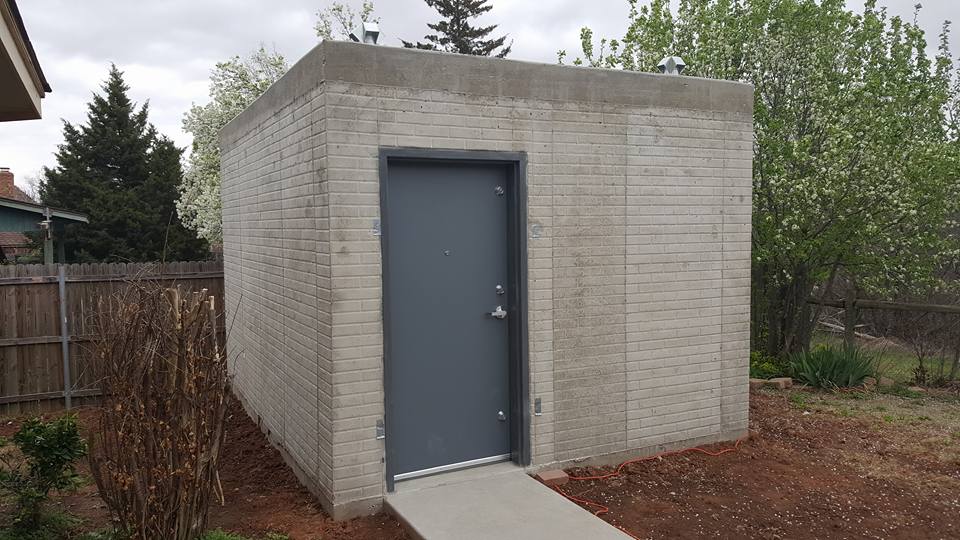
Different homes have different needs. You should evaluate your space before the 2026 season begins. Explore the various types of storm shelters to find the best fit:
-
Underground Garage Shelters: These are perfect for saving space. They stay flush with the garage floor, allowing you to park your car over them.
-
Concrete Outdoor Shelters: These are classic, sturdy, and usually installed in the backyard. They are ideal for large families.
-
Steel Safe Rooms: These can be installed in a closet, garage, or as a standalone unit. They are great for people with mobility issues who cannot navigate stairs.
-
Underground Cement Shelters: These offer maximum earth-insulation and protection from flying debris.
Installing a shelter takes time. If you wait until the first watch is issued, you will be on a long waiting list. Secure your spot now to ensure your home is ready for the first sirens of 2026.
Step 2: Establish a Communication Plan
When a tornado warning is issued, cell towers often become overloaded. Power lines can go down. You need a way to communicate that doesn’t rely solely on a smartphone.
Identify Your Safe Zone
Make sure every family member knows exactly where to go. If you have an Oklahoma Shelters unit, this is easy. If you are away from home, identify the “safe spots” at work or school.
Create a Contact List
Keep a physical list of phone numbers. Do not rely on your digital contacts. If your phone dies or breaks, you need to be able to use a landline or a borrowed phone to reach family.
Use the “Out-of-Town” Contact Method
Sometimes it is easier to call long-distance than across town during a disaster. Designate a relative in another state as the “check-in” person. Everyone calls that person to report they are safe.
Step 3: Build a Comprehensive 72-Hour Kit
If a storm hits your neighborhood, emergency services may be delayed. You need to be self-sufficient for at least three days. Store your kit inside your storm shelter so it is ready the moment you step inside.
Essential Supplies Checklist
-
Water: One gallon per person per day.
-
Food: Non-perishable items like canned meats, protein bars, and dried fruit.
-
Manual Can Opener: Don’t forget this, or your canned food is useless.
-
First Aid Kit: Include bandages, antiseptic, and a week’s supply of prescription medications.
-
Tools: A multi-tool or a wrench to turn off utilities if a leak is detected.
-
Lighting: LED lanterns and headlamps. Avoid candles as they are fire hazards in a storm.
Hygiene and Comfort
-
Wet wipes and paper towels.
-
Heavy-duty trash bags.
-
A change of clothes and sturdy shoes. Many injuries happen after the storm from walking on glass and nails.
-
Blankets or sleeping bags.
Step 4: Technology and Information
Information is your greatest tool during a weather event. You must stay connected to local meteorologists. Oklahoma has some of the best weather teams in the world. Use them.
NOAA Weather Radio
A battery-powered NOAA weather radio is non-negotiable. It provides alerts even if the internet goes down. Look for a model that also has a hand-crank charger. You can find reliable information and models through the National Oceanic and Atmospheric Administration (NOAA).
Smartphone Apps
Download the local news weather apps. Enable “Extreme Weather Alerts” in your phone settings. However, remember that these rely on cell service. They are a supplement to your radio, not a replacement.
Backup Power
Invest in a high-capacity power bank. Keep it charged throughout the spring. This ensures you can keep your phone alive to call for help after the storm passes.
Step 5: Document and Property Protection
After a tornado, the insurance process begins. This is much easier if you have prepared your documentation in advance.
-
Digital Inventory: Take a video of every room in your house. Open closets and drawers. Upload this to a cloud service like Google Drive or iCloud.
-
Important Papers: Keep copies of birth certificates, insurance policies, and deeds in a waterproof, fireproof bag. Store this bag inside your storm shelter.
-
Emergency Cash: If the power is out, credit card machines won’t work. Keep a small amount of cash in small bills in your kit.
Step 6: Pet Preparedness
Don’t forget your furry family members. Pets are often terrified by high winds and sirens.
-
Leashes and Carriers: Keep these near the shelter entrance.
-
Pet Food: Add a three-day supply of pet food to your kit.
-
Identification: Ensure your pets have collars with tags or are microchipped.
-
Stress Relief: A favorite toy or blanket can help keep a dog or cat calm while in the shelter.
Step 7: Post-Storm Safety Knowledge
The danger does not end when the wind stops. Many injuries occur during the cleanup phase.
-
Watch for Power Lines: Never touch a downed line. Assume all lines are live.
-
Smell for Gas: If you smell gas, leave the area immediately and notify the authorities.
-
Check on Neighbors: Once you know your family is safe, check on those around you if it is safe to move.
For official safety guidelines and recovery resources, the Federal Emergency Management Agency (FEMA) offers extensive documentation on post-tornado safety.
Why Oklahoma Shelters is Your Best Partner
We are based in Oklahoma City. We live in the same weather patterns you do. Our company was founded on the belief that every Oklahoman deserves a safe place to go when the sky turns dark.
Quality and Certification
We do not cut corners. Every shelter we install meets rigorous testing standards. We use high-quality materials designed to withstand the debris impact of a violent tornado. Our installers are professional, efficient, and respectful of your property.
Serving All of Oklahoma
While we are located in OKC, our reach is statewide. From Tulsa to Lawton, and Enid to Ardmore, we help families find peace of mind. We understand the specific soil types and installation challenges across the state.
Peace of Mind for 2026
The 2026 storm season will be here before you know it. Having an Oklahoma Shelters unit means you no longer have to live in fear. You can watch the weather reports with confidence, knowing your family’s safety plan is anchored in steel and concrete.
Article Recap
-
Early Preparation: 2026 storms can happen anytime; start your checklist now.
-
Install a Shelter: Professional storm shelters are the only way to guarantee safety from EF4/EF5 winds.
-
Choose Your Type: Options include under-garage, outdoor concrete, and indoor safe rooms.
-
Emergency Kit: Build a 72-hour kit with food, water, medicine, and lighting.
-
Communication: Have a backup contact plan that doesn’t rely on local cell service.
-
Documentation: Keep insurance and ID papers in a waterproof bag inside the shelter.
-
Local Experts: Oklahoma Shelters serves the entire state from their OKC headquarters.
Don’t Wait for the Clouds to Turn Green
Your family’s safety is your highest priority. The 2026 tornado season is approaching, and the best time to prepare is today. Join the thousands of Oklahomans who have secured their peace of mind with a professional installation.
Contact Oklahoma Shelters Today for a Free Estimate! Visit our Types of Storm Shelters page to find the perfect fit for your home. Protect your future now.