Things to Do After a Oklahoma Storm Warning
In Oklahoma, a storm warning is a call to immediate action. The best way to survive a severe weather event is to start planning as early as possible. Once the National Weather Service issues a warning, the window for preparation begins to close rapidly. This guide outlines the critical steps you must take to ensure your family remains safe, informed, and supplied throughout the duration of the storm.

Know Your Local Resources
When a storm hits, the local infrastructure becomes your primary support system. You should not wait until the power is out to look up emergency contact information.
Identifying Key Organizations
Many organizations are dedicated to helping the community during and after a weather disaster. You should have the contact details for the following departments saved in your phone and written down in your physical emergency kit:
-
Local Fire Department: They are the primary responders for structural damage and fire hazards.
-
Police Department: They manage traffic, safety, and community security.
-
Local Hospitals: Know the location of the nearest emergency room and urgent care center.
Where to Find Information
You can find updated resource lists on official city websites and social media pages. During active storms, local government Facebook and X (formerly Twitter) accounts often provide the fastest updates on road closures and public shelter openings. Physical phone books are also a reliable backup if digital networks fail.
Keep Yourself Informed
Information is your most valuable asset during a storm warning. Staying updated on the storm’s path, intensity, and timing allows you to make life-saving decisions.
Monitor Local News
Local news stations in Oklahoma have some of the most advanced meteorological equipment in the world. Keep a television or a battery-powered radio tuned to a local station. They provide real-time tracking of storm cells and can tell you exactly when a tornado is entering your specific neighborhood.
Utilize the National Weather Service (NWS)
The NWS provides a comprehensive 24-hour forecast that is updated constantly. Their reports include vital data points such as:
-
Wind Speed and Direction: Helps you understand the force of the storm.
-
Precipitation Amounts: Alerts you to potential flash flooding.
-
Cloud Cover and Rotation: Indicators of potential tornadic activity.
-
UV Index and Temperature: Useful for post-storm recovery efforts.
Prepare a Robust Safety Kit
If a storm causes significant damage, emergency services may be delayed. You must be prepared to be self-sufficient for several days. A well-stocked safety kit is non-negotiable for Oklahoma residents.
Food and Water Requirements
You should aim to have at least a one-week supply of sustenance for every member of your household.
-
Water: Store at least one gallon of water per person per day. This is for both drinking and basic hygiene.
-
Non-Perishable Food: Focus on items that do not require cooking or electricity. Canned goods, shelf-stable meals, and freeze-dried “survival” meals are excellent options.
-
Manual Can Opener: Ensure you have a way to open your food supplies if the power is out.
Tools and Supplies
Beyond food, your kit should include a high-quality first aid kit, flashlights with extra batteries, and a portable power bank for your mobile devices. If you have pets, remember to pack a week’s worth of pet food and any necessary medications.
Secure Your Home and Property
Once you have gathered your information and supplies, you should perform a quick sweep of your property if time permits.
Exterior Safety
High winds can turn ordinary yard items into deadly projectiles.
-
Loose Objects: Bring in patio furniture, trash cans, and potted plants.
-
Garage Doors: Ensure your garage door is fully closed and locked, as this is often a weak point in a home’s structural integrity during high winds.
-
Vehicles: If you do not have an underground garage shelter, try to park your vehicles away from large trees or power lines.
Interior Preparation
Move your safety kit into your designated shelter area immediately. Ensure that the path to your safe room is clear of tripping hazards. If you have a professional storm shelter, check the door seals and latch mechanisms to ensure they are functioning correctly before the wind picks up.
The Importance of a Professional Storm Shelter
While planning and kits are essential, the most effective way to survive an Oklahoma tornado is by having a certified storm shelter. Standard rooms in a house, such as closets or bathrooms, offer limited protection against the high-velocity debris of an EF4 or EF5 tornado.
Why Choose a Certified Shelter?
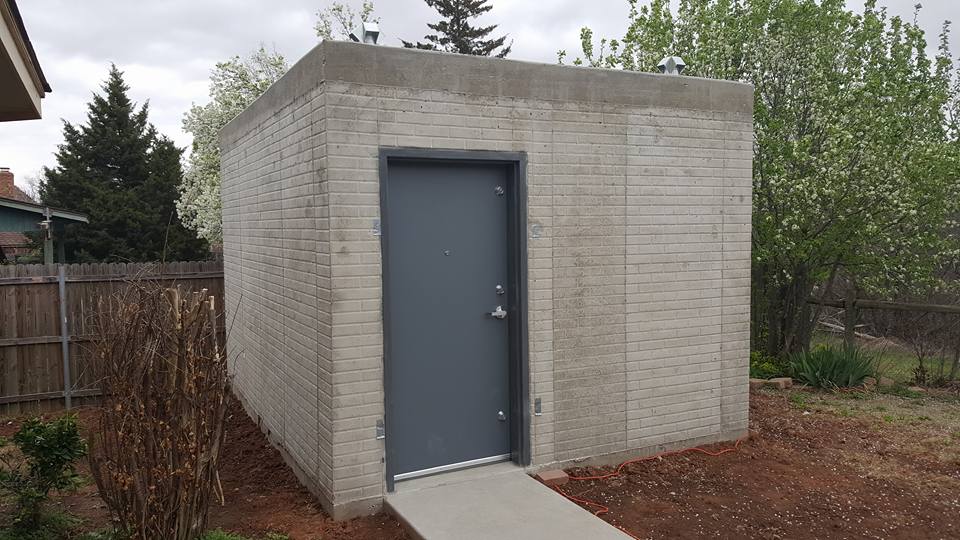
Professional shelters are engineered to withstand extreme wind loads. They are anchored to your home’s foundation to prevent them from being lifted or moved. At Oklahoma Shelters, we provide units that have been impact-tested to meet and exceed FEMA safety standards. This means they can stop a 15-pound 2×4 board traveling at 100 mph—simulating the debris found in major tornadoes.
Types of Shelters Available
We understand that every home is different. We offer a variety of solutions to fit your space and budget:
-
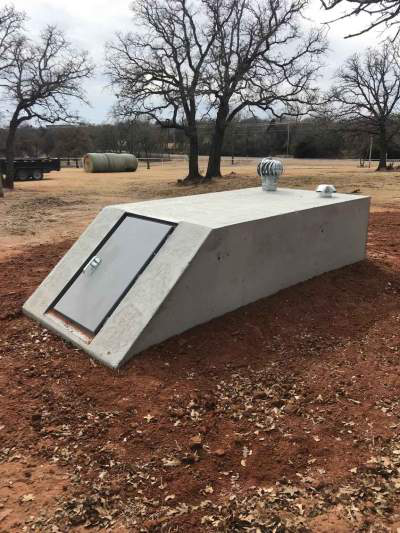
Underground Garage Shelters: These save space by staying flush with your garage floor.
-
Above-Ground Safe Rooms: Ideal for those with mobility issues or for installation in existing rooms.
-
Outdoor Concrete Cellars: A classic, reliable option for large families.
Contact Oklahoma Shelters Today
Preparation is the difference between panic and peace of mind. Don’t wait until a warning is issued to realize your home lacks a safe place. Visit Oklahoma Shelters to find the perfect storm protection for your family. Our team of experts provides professional installation and guidance to ensure you are ready for whatever the Oklahoma sky brings.
Contact Oklahoma Shelters today!
Oklahoma Shelters Your Trusted Leader in Oklahoma Storm Safety