Oklahoma’s Most Violent Tornadoes: A Survivor’s History
Do you remember the first time you saw the sky turn that bruised, electric shade of green? If you’ve spent any significant time in the Sooner State, that sight likely triggers a visceral reaction. It is a primal signal that the atmosphere is about to unload.
As a lifelong Oklahoman, I have spent countless hours huddled in hallways and shelters. I have listened to the frantic yet calm voices of local meteorologists as they tracked debris balls on Doppler radar. We live in a beautiful state, but our geography places us in the crosshairs of nature’s most violent winds.
Why do we stay? We stay because this is home. But part of making it home is respecting the history of the storms that shaped us. Below, we look back at the deadliest and most destructive tornadoes to ever cross our red dirt.
The 1947 Woodward Disaster: A Town Caught Off Guard
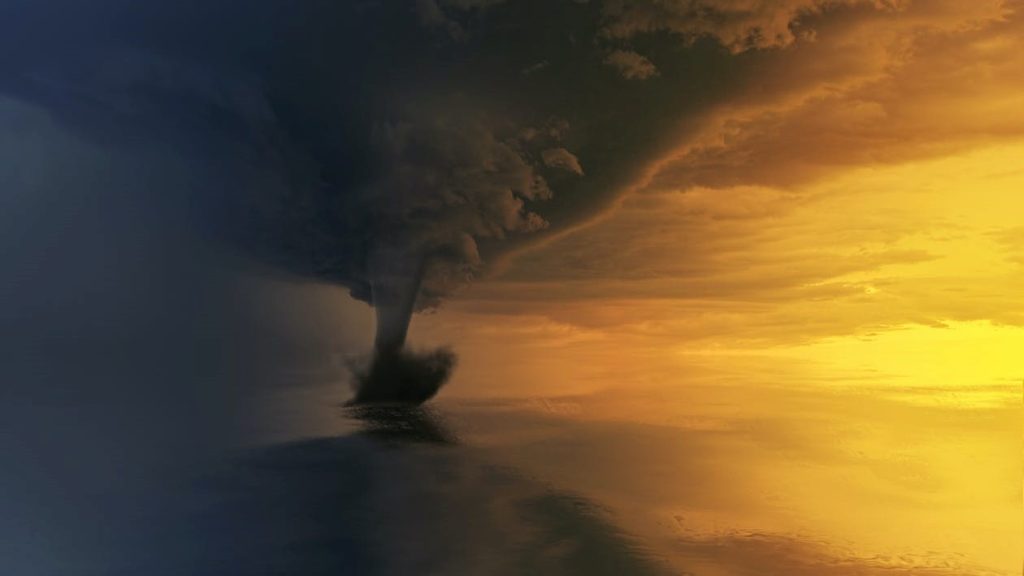
It happened on a Wednesday evening, April 9, 1947. At the time, weather forecasting was in its infancy. There were no sirens. There was no live radar. People were simply going about their evening routines when a monster emerged from the darkness.
This storm started in Texas and carved a path of destruction over 220 miles long. By the time it reached Woodward, it was nearly two miles wide. It leveled over 100 city blocks.
Woodward by the Numbers:
-
Total Fatalities: 181 (at least 107 in Woodward alone).
-
Injuries: Over 700.
-
Damage: Over 1,000 homes and businesses destroyed.
Imagine the chaos of a town suddenly erased in the dark of night. This tragedy remains the deadliest single tornado in Oklahoma history. It served as a grim catalyst for the development of better warning systems.
The 1905 Snyder Tornado: A Turn-of-the-Century Nightmare
Go back even further to May 10, 1905. The town of Snyder was a growing community. On that afternoon, a massive tornado struck without warning, moving from the southwest.
Witnesses described a “funnel of death” that seemed to linger over the town. When the dust settled, nearly every building in the western half of Snyder was gone.
The death toll reached 97 people. Many of the victims were children. It remains a somber chapter in our territorial history, reminding us that the threat has always been part of the landscape.
May 3, 1999: The Record-Breaker
If you lived in Central Oklahoma in 1999, you know exactly where you were on May 3rd. I remember the air feeling heavy—almost oily. The humidity was oppressive.
This wasn’t just a tornado; it was a meteorological anomaly. An F5 monster ripped through Bridge Creek, Newcastle, and Moore. It produced the highest wind speed ever recorded on Earth: 318 mph.
Why May 3rd Changed Everything:
-
Meteorological Accuracy: It was the first time a “Tornado Emergency” was ever declared.
-
Structural Reality: It proved that even well-built homes are no match for 300 mph winds.
-
Media Coverage: We watched it live. We saw houses disappear in real-time on television.
The storm claimed 36 lives. While that number is tragic, it would have been in the hundreds without the heroic efforts of local weather teams. It taught us that “getting to the center of the house” isn’t always enough. You need to be underground or in a reinforced box.
The 1920 Peggs Tragedy: A Town Wiped Away
On May 2, 1920, the small town of Peggs in Cherokee County experienced something few towns ever do: near-total extinction. A massive tornado struck late at night.
Peggs had a population of around 250 people at the time. The storm killed 71 of them. Statistically, it was one of the highest mortality rates per capita for any storm in American history. Only one building in the entire town was left standing.
The 1945 Antlers Tornado: Darkness in the Southeast
While we often think of “Tornado Alley” as the central plains, Southeast Oklahoma has seen its share of horror. On April 12, 1945—the same day President Franklin D. Roosevelt died—an F5 tornado tore through Antlers.
The storm struck during the late afternoon. It killed 69 people and injured hundreds more. Because the nation was mourning the President and the world was still embroiled in World War II, this tragedy often receives less historical attention than it deserves. But for the people of Pushmataha County, the scars remain.
May 20, 2013: Tragedy at the Schools
History repeated itself in Moore on May 20, 2013. This was a day of profound heartbreak. A massive EF5 tornado followed a path eerily similar to the 1999 storm.
What made this day particularly painful was the strike on Briarwood and Plaza Towers Elementary schools. We watched as parents raced toward the debris, desperate to find their children.
Lessons from 2013:
-
The School Shelter Initiative: This event launched a statewide conversation about the lack of shelters in public schools.
-
The Strength of EF5s: It reminded us that Moore is a magnet for these storms due to atmospheric convergence zones.
-
Resilience: The community of Moore rebuilt again, but the psychological toll of two EF5s in 14 years is immeasurable.
The 2013 storm killed 24 people, including seven children at Plaza Towers. It was a stark reminder that even with modern warnings, we are still vulnerable.
The 1955 Blackwell and Udall Outbreak
On May 25, 1955, a tornado struck Blackwell, Oklahoma, at night. What made this storm unique was the eyewitness accounts of “luminescent” clouds. People reported seeing glowing lights and electric sparks inside the funnel.
The Blackwell tornado killed 20 people. However, the same storm system moved into Udall, Kansas, where it killed 80 more. It was a night of terror for the northern border of our state.
Why Does Oklahoma Have So Many Deadly Tornadoes?
It isn’t just bad luck. Our state is the primary battleground for three distinct air masses.
-
Cold, Dry Air: Sweeps down from the Canadian Rockies.
-
Warm, Moist Air: Floods up from the Gulf of Mexico.
-
Hot, Dry Air: Pushes east from the Sonoran Desert.
When these three meet over the flat plains of Oklahoma, the atmosphere becomes a powder keg. There are no mountains to break up the rotation. There are no large bodies of water to stabilize the temperature. It is the perfect laboratory for supercells.
The Evolution of Safety: From Cellars to Safe Rooms
In the early days, Oklahomans relied on “fraidy holes”—hand-dug pits in the backyard. They were damp, full of spiders, and often flooded. But they saved lives.
Today, we have refined the science of survival. We know that wind doesn’t kill people; debris does. When a house is shredded, the wood, glass, and brick become shrapnel.
Why a Storm Shelter is Non-Negotiable
If you live in Oklahoma, you wouldn’t own a car without insurance. You wouldn’t own a home without a roof. Why would you live here without a dedicated place to go when the sirens sound?
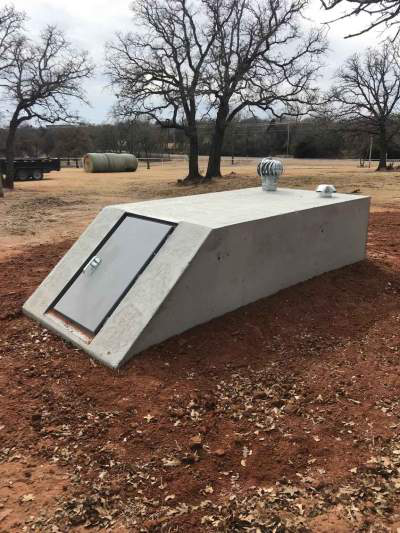
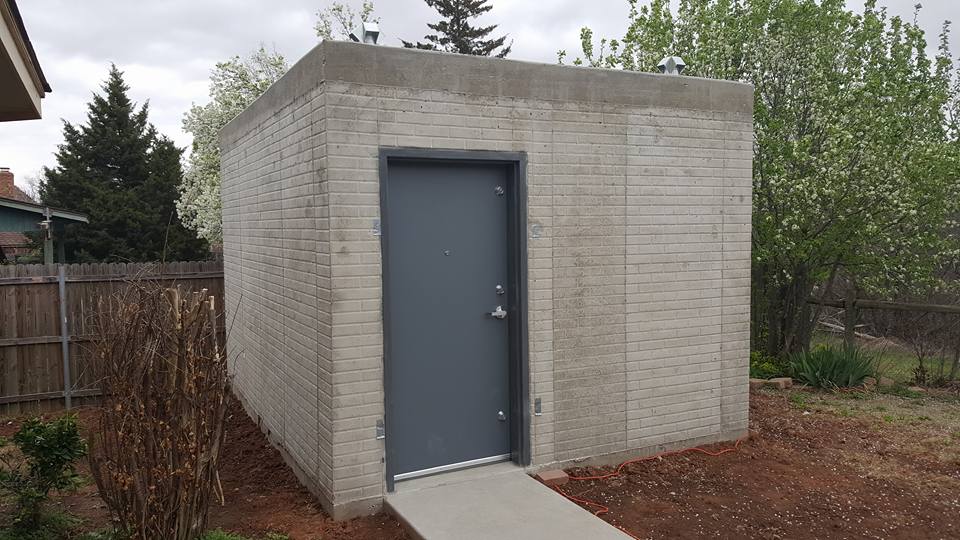
Modern shelters are engineered to withstand the exact forces that leveled Moore in 1999 and 2013. Whether it is an underground garage shelter or an above-ground steel safe room, the goal is the same: absolute protection from flying debris.
Survival Tips for the Modern Oklahoman
Have you audited your family’s safety plan lately? It’s easy to get complacent during the “quiet” years. But as history shows, the quiet years are always followed by the active ones.
-
Don’t Rely on Sirens: Sirens are meant for people outdoors. If you are sleeping or have the TV on, you might miss them.
-
Multiple Alert Paths: Use a NOAA weather radio and a reliable weather app on your phone.
-
The “Go-Bag”: Keep a pair of sturdy shoes, a flashlight, and your essential medications in your shelter.
-
Helmet Up: It sounds silly, but putting on a bicycle or football helmet during a tornado can prevent the head injuries that cause the majority of fatalities.
Honoring the Past by Protecting the Future
The history of Oklahoma tornadoes is written in the names of the towns we’ve lost and rebuilt. Woodward, Snyder, Peggs, Antlers, Moore—these aren’t just points on a map. They are reminders of the power of nature and the resilience of the human spirit.
We can’t stop the tornadoes. We can’t change the geography of the Great Plains. But we can change how we respond. We can ensure that the next time a “monster” emerges from the clouds, our families are behind steel and concrete.
Secure Your Family Today
As an Oklahoman who has seen the aftermath of these storms, I urge you not to wait. The “it won’t happen to me” mentality is the only thing more dangerous than the storm itself.
Oklahoma Shelters is dedicated to providing our neighbors with the peace of mind they deserve. We specialize in high-quality, FEMA-rated storm shelters that fit your home and your budget.
Protect your family now:
-
Get a Free Quote: Email sales@oklahomashelters.net today.
-
Call Us: (405) 367-7901
-
Visit Us: See our range of underground and above-ground shelters.
Don’t become a part of the history books. Be a survivor. Contact us at sales@oklahomashelters.net and let’s make sure your family is safe before the next green sky appears.