After the Storm: An Oklahoman’s Guide to Tornado Recovery
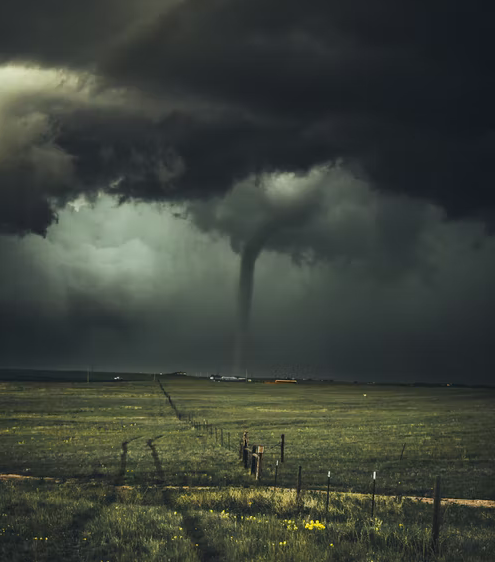
There is a sound that follows a tornado that you never quite get used to. It isn’t the wind; it’s the silence. After the roaring “freight train” passes and the sirens finally go silent, a heavy, eerie stillness settles over the neighborhood. Then, slowly, you hear it—the drip of water from broken pipes, the distant bark of a frightened dog, and the crunch of glass under your boots as you step out of your shelter.
I have stood in that silence more times than I care to remember. Whether it’s Moore, El Reno, or a small township in the Panhandle, the aftermath of a tornado is a surreal, high-stakes environment. Your adrenaline is pumping, but this is the moment when clear thinking is your greatest asset.
Survival doesn’t end when the rotation stops. In fact, many injuries occur in the hours after the storm. This guide is designed to help you navigate the chaos with the sophisticated eye of an experienced Oklahoman. Let’s walk through the immediate steps you must take to protect your family and your property.
The Golden Rule: Stay in Your Safe Place
It is tempting to rush outside the second the wind dies down. You want to see the damage. You want to check on the neighbors. However, the atmosphere is often still volatile.
Wait for the “All Clear”
Tornadoes frequently come in “families” or cycles. Just because one vortex has passed doesn’t mean the danger has vanished.
-
Listen to your weather radio. * Wait for a trusted meteorologist to give the official “all clear” for your specific GPS coordinates. * Beware of “wraparound” wind. Often, the back side of a storm system can produce straight-line winds strong enough to topple already weakened structures.
Immediate Safety Checks: The First 15 Minutes
Once it is truly safe to exit your shelter, your focus should be on immediate physical hazards. Do not move quickly. Take measured steps and keep your head on a swivel.
1. Check for Injuries
Before you look at your house, look at your people.
-
Check yourself and your family for cuts, punctures, or signs of shock.
-
If someone is seriously injured, call 911 immediately, but be prepared for delayed response times if the area is heavily hit.
-
If you are trained in first aid, administer basic care but do not move anyone who might have a spinal injury unless they are in immediate danger from a gas leak or fire.
2. Guard Against Gas Leaks
This is the most hidden and deadly threat in the aftermath. If you smell natural gas—that distinct “rotten egg” odor—or hear a hissing sound:
-
Leave the area immediately. * Do not turn on lights or use a cell phone near the smell. A single spark can trigger an explosion.
-
If you can safely reach the main gas valve, turn it off. However, only a professional should turn it back on.
3. Beware of “The Hot Zone” (Power Lines)
In Oklahoma, our power lines are often above ground. A tornado turns these into lethal traps.
-
Assume every downed wire is live. * Stay at least 30 feet away from any fallen line. * Watch out for puddles. Water conducts electricity; a line touching a puddle 50 feet away can still electrocute you.
Navigating the Debris: Gear Up
Have you ever tried to walk through a “debris field”? It is a nightmare of splintered 2x4s, jagged glass, and rusted nails. This is why I always tell people to keep a “Go-Bag” in their shelter with heavy-duty gear.
What to Wear Before Stepping Out
-
Thick-soled boots: Do not walk around in flip-flops or sneakers. Nails will go right through them.
-
Work gloves: Protect your hands from sharp metal and glass.
-
Long sleeves and pants: This prevents minor scratches that can easily become infected in the dirty environment of a storm’s wake.
-
Head protection: Keep that bicycle or batting helmet on while you do your initial walkthrough. Weakened chimneys or roof tiles can fall without warning.
Communication and Connection
In the digital age, our first instinct is to call everyone we know. However, after a major storm, cell towers are often overwhelmed or damaged.
Use Text, Not Talk
-
Text messages use less bandwidth. They are more likely to go through than a voice call.
-
Update your social media status. A quick “We are safe in Moore” post can save you dozens of individual replies.
-
Check on neighbors. If your house is standing and theirs isn’t, they may be trapped. Use a whistle to signal or listen for calls for help. Only attempt a rescue if it is safe to do so; otherwise, mark the location and wait for emergency responders.
Assessing Property Damage: The Sophisticated Approach
Once the immediate life-safety threats are managed, you can begin to look at your home. This is a marathon, not a sprint. You need to document everything for insurance purposes.
The Power of the Camera
Before you move a single piece of debris, take photos and videos.
-
Capture the big picture. Take wide shots of the house from all angles.
-
Capture the details. Get close-ups of roof damage, broken windows, and interior water damage.
-
Don’t forget the contents. If your expensive TV is smashed, photograph it where it sits.
Temporary Triage
Your goal is to prevent further damage, but only if it doesn’t risk your life.
-
Cover broken windows with plywood or plastic.
-
Tarp the roof if possible. However, do not get on a roof if it is still raining or if the structure looks unstable.
-
Do not attempt structural repairs. Leave the heavy lifting to the pros.
Dealing with the Emotional Impact
We talk a lot about the physical rebuilding, but the psychological aftermath is just as real. “Storm trauma” is a common experience in Oklahoma.
-
Expect a “fog.” You might find it hard to make simple decisions for a few days. This is your brain processing shock.
-
Talk about it. Especially with children. Explain what happened in simple, factual terms.
-
Limit media exposure. Constantly watching replays of the storm on the news can trigger “re-traumatization.”
Professional Recovery: Choosing the Right Help
As soon as the storm passes, “storm chasers” (unscrupulous contractors) will begin knocking on doors. Be incredibly careful.
How to Hire a Contractor
-
Demand local references. An Oklahoman contractor has a reputation to uphold.
-
Verify insurance and licenses. Do not take their word for it.
-
Avoid “cash upfront” deals. Reputable companies don’t operate that way.
-
Check with the Better Business Bureau (BBB). —
Lessons for the Next Time: The Value of a Safe Room
Standing in the aftermath of a storm usually brings one thought to the forefront: “Am I as safe as I could be?”
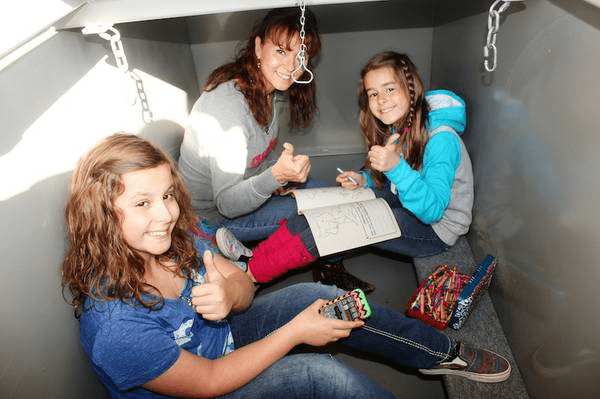
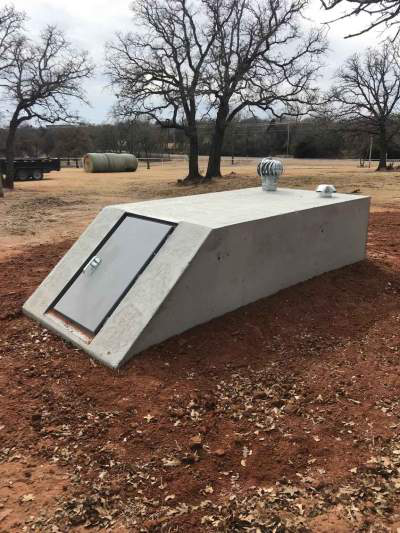
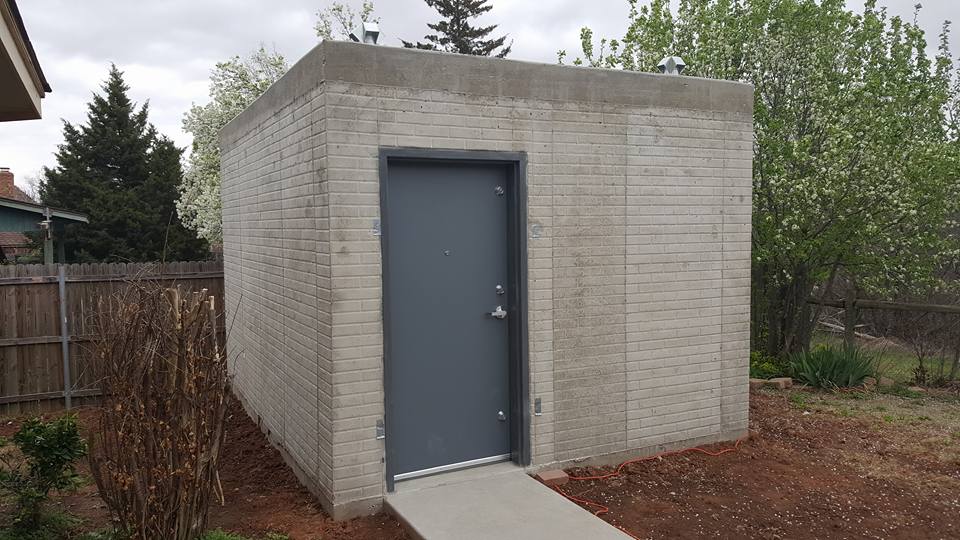
Many people realize after a close call that their interior closet or bathtub was not enough. In an EF4 or EF5, those spaces are often the only things that don’t survive. This is why many Oklahomans choose to install a certified steel safe room or concrete shelter immediately after a “near miss.”
Why a Safe Room Changes the Aftermath
-
Zero Structural Reliance: A FEMA-certified safe room stands independently of the house. Even if the house is gone, the room remains.
-
GPS Registration: Most professional installers, like Oklahoma Shelters, help you register your coordinates with local fire departments. This means they know exactly where to dig you out if the house collapses over the exit.
-
Peace of Mind: The emotional recovery is faster when you know you have a fortress ready for the next spring.
Frequently Asked Questions
What should I do if I smell gas after a tornado?
Evacuate the area immediately. Do not use any electronics, matches, or light switches. Once you are a safe distance away, call your local gas company or 911.
Is it safe to use a generator after a storm?
Yes, but only if used outdoors. Never run a generator inside a house, garage, or near an open window. Carbon monoxide poisoning is a major cause of post-storm fatalities.
How do I find out if my friends are safe?
Check the American Red Cross “Safe and Well” website. It allows people in disaster areas to list themselves as safe so family and friends can search for them.
When should I call my insurance company?
Call them as soon as possible. After a major tornado, adjusters are swamped. Getting your claim in early puts you higher in the queue for an inspection.
The Resilience of Oklahoma
We are a state built on red dirt and grit. We have a saying here: “If you don’t like the weather, wait five minutes.” But when that weather turns destructive, we show the world what community looks like.
Recovering from a tornado is one of the hardest things a family can go through. It tests your patience, your finances, and your spirit. But you don’t have to do it alone. By following a structured plan, staying focused on safety, and making smart decisions about your future protection, you can move from “surviving” to “thriving” once again.
Don’t let the next storm catch you wishing you had done more. Prepare your “Go-Bag,” practice your drill, and consider the ultimate protection of a professional shelter.
Stay strong, Oklahoma. We rebuild together.
Don’t wait for the next siren. If this storm was a wake-up call, let Oklahoma Shelters help you secure your home for the future. We specialize in FEMA-approved safe rooms and underground shelters that stand the test of time. Request a free quote for your property: sales@oklahomashelters.net