If you’ve lived in Oklahoma for more than a single spring, you know the feeling. The sky takes on that bruised, greenish-purple hue. The wind suddenly dies down, leaving an eerie, heavy silence. Then, the sirens begin their long, low wail.
I’ve lived here my whole life. I remember the 1999 Moore tornado and the chaos of 2013. For us, a storm shelter isn’t a luxury item. It is a part of our architecture and our peace of mind. But from a purely financial perspective, many homeowners still wonder: Is a personal storm shelter worth the investment?
The short answer is yes. However, the “worth” of a shelter is measured in more than just dollars and cents. It is measured in minutes saved and heartbeats slowed.
The Bottom Line: Is It Worth the Money?
When you ask if an investment is “worth it,” you are usually looking at three things: safety, property value, and emotional well-being. A high-quality storm shelter ticks all three boxes.
-
Safety: You cannot put a price on surviving an EF5 tornado.
-
Property Value: In Oklahoma, a home with a shelter sells faster and for more money.
-
Anxiety Reduction: Knowing you have a plan changes how you experience storm season.
Direct Financial Return on Investment (ROI)
In many real estate markets, “invisible” upgrades like new insulation or pipes don’t always raise the asking price. Storm shelters are different. In Tornado Alley, a shelter is a major selling point.
Appraisers often see a value increase that covers a significant portion of the installation cost. Potential buyers often filter their searches specifically for “homes with storm shelters.” If your neighbor has a shelter and you don’t, their house is the one that sells during the peak of May.
Why Your “Interior Room” Isn’t Enough
I often hear newcomers say they’ll just hide in a closet or a bathtub. While those are better than nothing, they are not a substitute for an engineered shelter. Modern tornadoes, particularly those in the EF4 and EF5 range, don’t just “damage” houses. They erase them.
-
Standard Construction Limits: Most homes are built to withstand 90 mph winds. An EF5 tornado can exceed 200 mph.
-
Debris Impact: It isn’t just the wind that kills; it is the debris. A 2×4 piece of lumber traveling at 100 mph can pierce through several layers of brick and drywall.
-
The Foundation Factor: Standard interior rooms are still attached to the rest of the house. If the house lifts, the “safe” room often goes with it.
A certified storm shelter is an independent structure. Even if the house is leveled, the shelter remains anchored to the earth.

Types of Shelters: Which One Is Best for You?
Choosing a shelter isn’t a “one-size-fits-all” process. You have to consider your home’s layout, your family’s mobility, and your budget.
1. Underground Garage Shelters
These are incredibly popular in Oklahoma City and Tulsa. We cut into the garage floor, install the steel unit, and then reinforce it with concrete.
-
Pros: It doesn’t take up any extra space in your garage. You can park your car right over it. You don’t have to run outside in the rain to get to safety.
-
Cons: You have to move the car to get in. If the house collapses, debris could block the exit (though modern lids are designed to be winched or pushed open).
2. Above-Ground Steel Safe Rooms
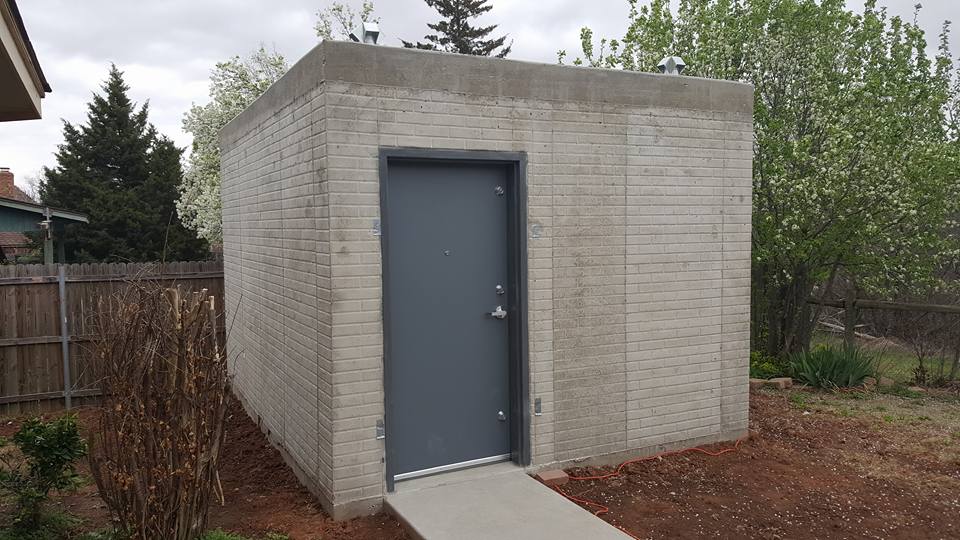
If you have trouble with stairs or use a wheelchair, this is your best option. These are reinforced steel boxes bolted to a slab.
-
Pros: Easy access for the elderly or those with limited mobility. Can be installed inside a garage or even inside a house during a remodel.
-
Cons: They take up floor space. Some people feel “exposed” being above ground, though they are tested to withstand the same forces as underground units.
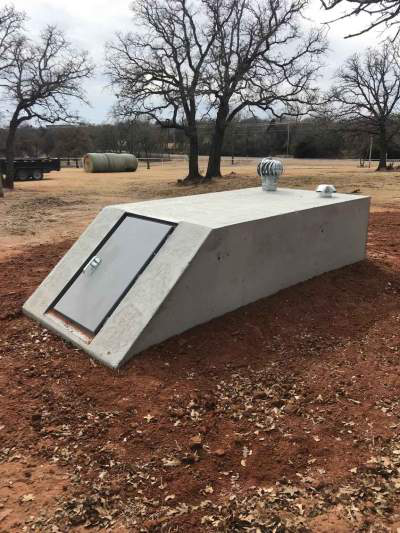
3. Concrete Outdoor Shelters
The classic “storm cellar.” These are usually located in the backyard.
-
Pros: Very affordable and can hold a large number of people.
-
Cons: You have to leave your house and run through the wind, rain, and hail to reach it. This is often the most dangerous part of a storm.
The Psychological ROI: Ending “The Season” Anxiety
Living in Oklahoma means being a part-time meteorologist. We all have the radar apps. We all watch the “wall cloud” reports. But for many, this leads to “storm anxiety.”
Have you ever spent a night huddled in a hallway, clutching a flashlight and a mattress, wondering if the wind you hear is “the one”? That stress takes a toll.
When you have a personal shelter, the dynamic changes. You don’t wait until the last second to decide what to do. You hear the sirens, you grab your “go-bag,” and you walk into your shelter. There is a profound sense of calm that comes with being prepared. You aren’t a victim of the weather; you are a survivor who made a plan.
Engineering and Standards: The Texas Tech Test
Not all shelters are created equal. When you invest, you aren’t just buying a metal box. You are buying engineering.
At Oklahoma Shelters, we ensure our units meet or exceed FEMA standards and the ICC-500 codes. But the real gold standard is the Texas Tech Impact Test.
Scientists at Texas Tech’s National Wind Institute literally fire 15-pound 2x4s out of a compressed-air cannon at over 100 mph at the shelter walls and doors. If the wood breaks before the door does, the design passes. When you buy a shelter, you are paying for the certainty that it has survived the worst-case scenario in a lab before it ever reaches your backyard.
Installation: Easier Than You Think
A common myth is that installing a shelter is a month-long construction nightmare. In reality, it is a surgical process.
-
Underground Garage Units: Usually installed in a single day. We cut the concrete, excavate, drop the unit, and finish the edges.
-
Safe Rooms: These can often be bolted down in a few hours.
-
Permits: Most cities require a permit and an inspection. This is a good thing—it ensures the shelter is anchored correctly so it doesn’t “float” or shift.
The Cost Breakdown: Luxury vs. Necessity
How much does it cost? Generally, a high-quality shelter ranges from $3,500 to $7,000 depending on the size and type.
While that seems like a lot, consider these comparisons:
-
It costs less than a midrange kitchen remodel.
-
It costs less than a used car.
-
It is a one-time expense that lasts as long as the house.
When you break that cost down over the 15 or 20 years you might live in your home, it costs less than a cup of coffee per month to guarantee your family’s survival.
Saving Money with Rebates
Oklahomans are lucky. Because of our history with storms, there are often financial incentives to help you pay for a shelter.
The SoonerSafe Program
The Oklahoma Department of Emergency Management runs the SoonerSafe program. It’s a lottery-based system that can provide a rebate of up to $2,000 for homeowners. I always tell my neighbors: apply every year. If you win, it covers nearly half the cost of a standard unit.
City-Specific Grants
Many municipalities in Oklahoma have their own grant programs. Check with your local city hall or emergency management office. They want you to have a shelter because it makes their job easier during a disaster.
Maintenance: Keeping Your Investment Ready
A storm shelter is a “set it and forget it” investment, but it does require a tiny bit of love.
-
Keep it Clean: Spiders and dust love shelters. Sweep it out once a season.
-
Check the Seals: If you have an underground unit, ensure the seals are intact so water doesn’t seep in.
-
Lube the Latches: Use a bit of WD-40 on the door hinges and locks once a year. You don’t want a stuck door when the clouds are rotating.
-
Emergency Kit: Keep a dedicated bag in the shelter with water, a first aid kit, a battery-powered radio, and some old sneakers. (You don’t want to walk through storm debris in flip-flops).
Frequently Asked Questions About Storm Shelters
Does a shelter affect my property taxes? In many areas, storm shelters are exempt from property tax increases. Legislators recognize that shelters save lives and reduce the burden on emergency services.
Can I take my shelter with me if I move? Above-ground safe rooms can technically be unbolted and moved, though it is a heavy lift. Underground units stay with the property. Most homeowners find that the value added to the home sale is enough to buy a new one at the next house.
What about pets? That is one of the biggest reasons people get their own shelters. Community shelters often don’t allow pets. Having your own means your dogs and cats are just as safe as you are.
Final Thoughts from a Seasoned Oklahoman
I’ve seen houses that were nothing but a pile of splinters. I’ve seen neighborhoods changed forever in the span of thirty seconds. In those moments, no one is thinking about their bank account. They are thinking about their children, their spouses, and their lives.
Is a personal storm shelter worth the investment? If you value your sleep, your safety, and your home’s future, the answer is a resounding yes. It is an investment in the most valuable asset you have: your family.
Don’t wait until the sirens are sounding to wish you had made the move. Contact Oklahoma Shelters today for a free quote. Let’s make sure that the next time the sky turns green, you’re ready.