Critical Mistakes to Avoid During a Tornado: A Survival Guide
Oklahoma is no stranger to severe weather. In the heart of Tornado Alley, the sound of a siren is a familiar, albeit chilling,part of life. However, familiarity can sometimes breed a dangerous level of complacency. When a storm is bearing down,your split-second decisions determine your safety.
Want to increase your odds of survival during a tornado? Knowing what not to do is just as important as knowing where to go. Here is a comprehensive look at the most common mistakes people make during a tornado and how you can avoid them to keep your family safe.
1. Not Taking Tornado Warnings Seriously
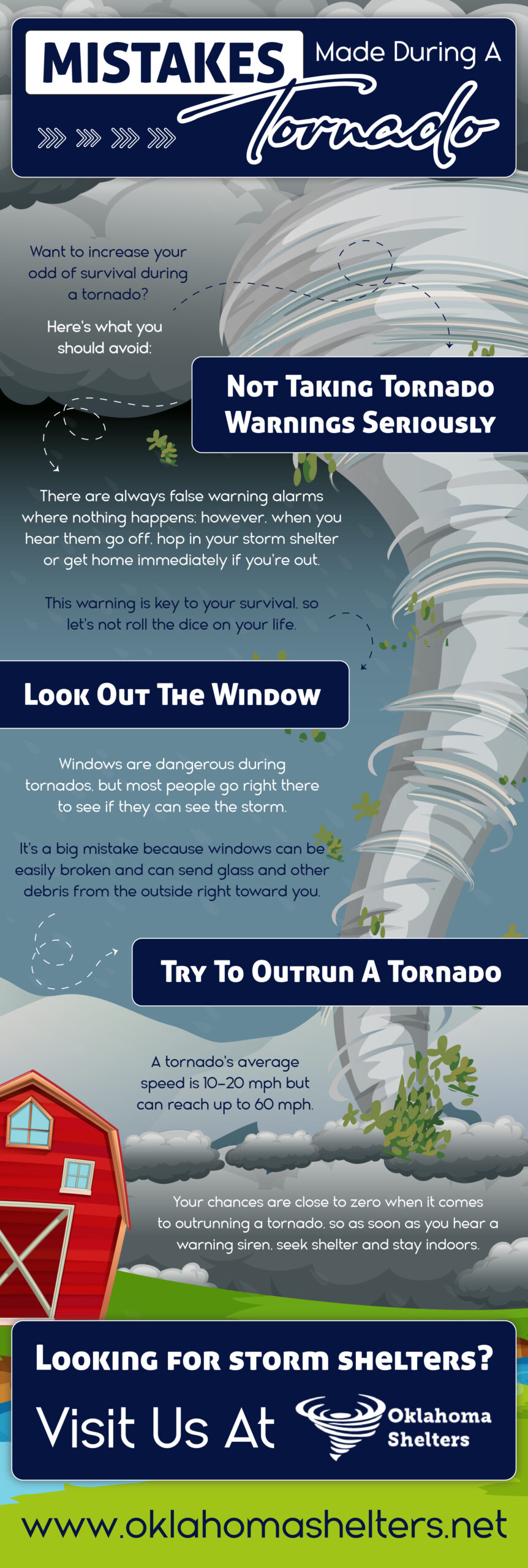
One of the most frequent mistakes is ignoring the sirens or emergency alerts. Because Oklahoma experiences many “false alarms” where a rotation is detected but no touchdown occurs, some residents become desensitized.
The Danger of Complacency
There are always false warning alarms where nothing happens. However, when you hear them go off, you must act immediately. This warning is the key to your survival. Whether it is a siren, a weather radio alert, or a smartphone notification, these systems are triggered by sophisticated radar and trained spotters.
“Don’t Roll the Dice”
Waiting to see if the storm “looks” bad before moving is a gamble you cannot afford to take. Let’s not roll the dice on your life. If a tornado warning is issued for your area:
-
Hop in your storm shelter immediately.
-
Get home right away if you are out.
-
Do not wait for visual confirmation. By the time you see the tornado, it may be too late to reach a secure location. Taking every warning seriously ensures that you are protected every single time.
2. Looking Out the Window
Curiosity is a natural human instinct. When the wind begins to howl and the sky turns a dark shade of green, most people go right to the window to see if they can see the storm. This is a big mistake that can lead to severe injury or death.
The Threat of Flying Debris
Windows are dangerous during tornadoes. A tornado is essentially a blender of debris. It picks up gravel, wood, glass, and household items, hurling them at hundreds of miles per hour. Even a small pebble can shatter a double-pane window with the force of a bullet.
Glass Becomes Shrapnel
When a window breaks during a tornado, it doesn’t just fall to the ground. The pressure difference and high winds send glass and other debris from the outside right toward you. This creates a “shrapnel effect” that can cause deep lacerations or blindness.
What to do instead: Stay in the innermost part of your home or your designated storm shelter. Keep as many walls between you and the outside as possible. Never stand near windows or glass doors to “watch the show.”
3. Trying to Outrun a Tornado in a Vehicle
Many people believe that because they have a fast car, they can simply drive away from a tornado. This is a deadly misconception.
Tornado Speed and Unpredictability
A tornado’s average ground speed is 10–20 mph, but they can reach up to 60 mph. Furthermore, tornadoes do not travel in straight lines. They can “hop,” skip, or change direction in a heartbeat.
Traffic and Road Hazards
Your chances are close to zero when it comes to outrunning a tornado. If you are in a car, you are at the mercy of:
-
Traffic Jams: Thousands of other people may be trying to do the same thing, leading to gridlock.
-
Hydroplaning: Tornadoes are usually accompanied by heavy rain that makes high-speed driving impossible.
-
Power Lines and Debris: Storms often knock down poles and trees, blocking your exit routes.
The Golden Rule: As soon as you hear a warning siren, seek shelter and stay indoors. A car is one of the most dangerous places to be during a tornado. If you are caught on the road with no shelter nearby, find a low-lying ditch, lie flat, and cover your head—but never try to race the storm.
4. Seeking Shelter Under a Highway Overpass
For years, a myth persisted that highway overpasses were safe places to hide. This is false. Overpasses actually create a “wind tunnel” effect. The wind speeds increase as they are squeezed through the narrow opening under the bridge. This can literally suck people out from under the bridge and into the open storm. Additionally, overpasses offer no protection from flying debris.
5. Forgetting an Emergency “Go-Bag”
When the siren goes off, you may only have seconds to reach your shelter. A common mistake is not having your essentials ready. If you spend ten minutes looking for your shoes, your wallet, or your pet’s leash, you have lost the window of safety.
What to Keep in Your Shelter:
-
Protective Headgear: Helmets (bicycle or batting) can prevent head injuries from debris.
-
Sturdy Shoes: If your home is damaged, you will need thick-soled shoes to walk through glass and nails.
-
Communication: A battery-powered weather radio and a portable phone charger.
-
Flashlights: Do not rely on your phone light; save your phone battery for communication.
The Solution: A Professional Storm Shelter
The best way to avoid these mistakes and ensure your survival is to have a plan that doesn’t involve “rolling the dice.” Having a certified storm shelter on your property allows you to ignore the urge to look out the window or run for your car. You simply walk into your safe space and wait for the “all clear.”
Why Choose Oklahoma Shelters?
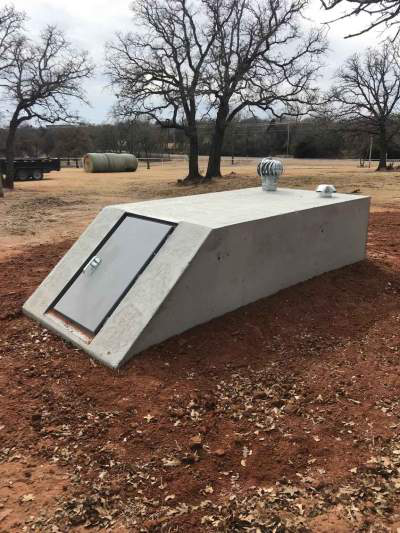
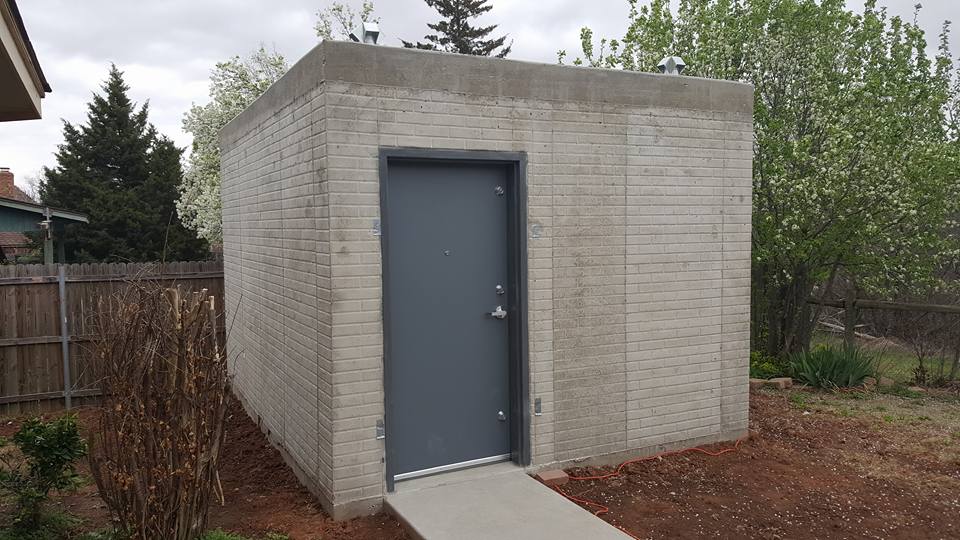
At Oklahoma Shelters, we understand the power of these storms. We provide residents with the highest quality above-ground safe rooms and underground bunkers designed to withstand EF5 winds.
Our shelters are:
-
FEMA-Certified: Meeting the highest safety standards in the nation.
-
Debris-Tested: Proven to resist the impact of flying objects.
-
Easily Accessible: Located right on your property so you never have to try to outrun a storm.
Looking for storm shelters? Don’t wait for the next siren to decide your family’s safety.