Tornado sirens are an unsettling sound for anyone. For children, the experience can be terrifying. The combination of howling winds, dark skies, and the sudden rush to a safe place creates a high-stress environment. As a parent or guardian in Oklahoma, your goal is to transform the storm shelter from a place of fear into a place of safety and even a little bit of fun.
Preparation is the secret to staying calm. If you are frantic, your children will be too. By having a plan and a stocked shelter, you can manage the emotional atmosphere just as well as you manage the physical safety. Oklahoma Shelters provides the physical security you need. The rest comes down to how you lead your family through the storm.
Create a Positive Association with the Storm Shelter
Fear often comes from the unknown. If the only time your child sees the storm shelter is during an actual emergency, they will associate it with panic. You want to normalize the space long before the clouds turn green.
-
Practice Drills: Turn “tornado drills” into a game. Time how fast the family can get into the shelter.
-
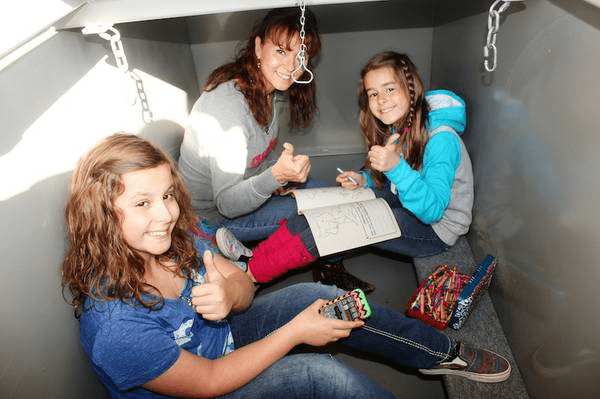
Picnic in the Shelter: Once a month, have a “shelter snack time.” Let the kids sit inside and eat their favorite treats.
-
The “Secret Fort”: Refer to the shelter as a special fort or a clubhouse. This changes the narrative from “hiding from a monster” to “hanging out in a cool space.”
When you normalize the environment, the physical act of entering the shelter becomes a routine task rather than a frantic flight.
Preparing Your “Comfort Kit”
In Oklahoma, you might be in a shelter for twenty minutes or two hours. Boredom often turns into anxiety for children. A pre-packed comfort kit is essential. Keep this kit inside your Oklahoma Shelters unit so it is ready the moment you need it.
Sensory Comfort Items
Soft textures provide a sense of security. Include items that soothe the senses:
-
Weighted Blankets: These help reduce anxiety in high-stress situations.
-
Fidget Toys: Spinners or pop-its give kids something to do with their hands.
-
Stuffed Animals: Let each child pick a “shelter buddy” that lives permanently in the unit.
Lighting is Key
Storm shelters can be dark and intimidating. Relying on a single flashlight creates harsh shadows.
-
LED Lanterns: These provide soft, 360-degree light.
-
Battery-Powered Fairy Lights: Hanging strings of lights can make the shelter feel cozy rather than industrial.
-
Glow Sticks: These are fun, cheap, and provide a light source that won’t run out of batteries.
Distraction Techniques During the Storm
When the wind starts to pick up, the noise can be overwhelming. This is when distraction is most important. You want to engage the child’s brain so it doesn’t focus solely on the sounds outside.
Audio Distractions
Noise-canceling headphones are a great investment for children who are sensitive to loud sounds. If you don’t have those, play music or a podcast.
-
Singing: Lead the family in loud, upbeat songs. It forces deep breathing and drowns out the wind.
-
Storytelling: Start a “group story” where one person says a sentence and the next person adds to it.
-
Audiobooks: A captivating story can transport a child’s mind far away from the storm.
Interactive Games
Avoid games that require a lot of pieces that can get lost in the dark.
-
“I Spy”: This is a classic that requires zero equipment.
-
Shadow Puppets: Use your flashlights to create animals on the walls of the safe room or underground shelter.
-
Card Games: A simple deck of cards offers dozens of game options.
Communication: What to Say and How to Say It
Children are incredibly perceptive. They watch your face and listen to the tone of your voice. Even if you are nervous, you must project a “calm captain” persona.
Be Honest but Brief
Don’t lie and say nothing is happening. Instead, explain the situation in a way they can understand.
-
Instead of: “There is a giant tornado that could hit us.”
-
Try: “The wind is very strong outside, and our house is taking a little break. We are in our special shelter because it is the strongest part of the house, and it’s our job to stay here until the wind gets tired.”
Use the “Helpers” Narrative
Focus on the people working to keep you safe. Talk about the meteorologists on the radio and the first responders. This reminds children that they are part of a community looking out for them. The Federal Emergency Management Agency (FEMA) offers great resources on how to talk to children about disasters without causing trauma.
Physical Comfort and Safety Gear
Sometimes, physical tasks help ground a child. Giving them a “job” can make them feel like they have some control over the situation.
-
Safety Helmets: Have children wear bicycle or batting helmets in the shelter. This is a legitimate safety recommendation for head protection from debris, but it also makes them feel like “adventurers” or “astronauts.”
-
Shoes: Always make sure kids have sturdy shoes on before entering the shelter. If you have to walk through debris later, they need foot protection.
-
Snacks and Hydration: Low blood sugar can lead to meltdowns. Keep juice boxes and crackers handy.
Choosing the Right Shelter for Family Comfort
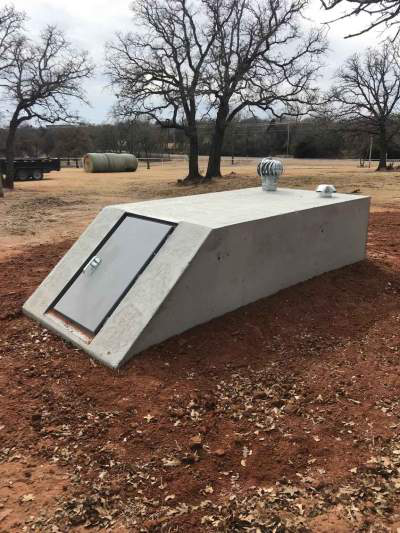
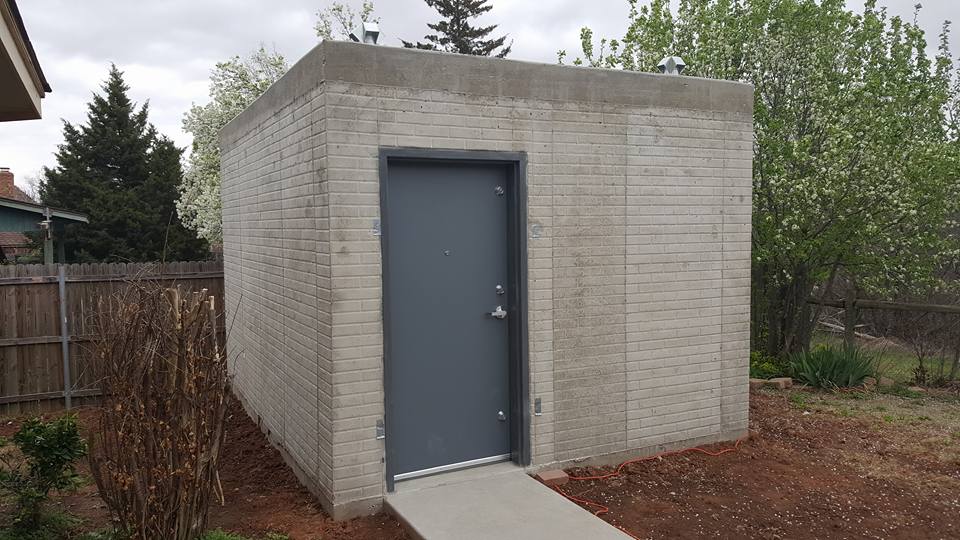
Not all shelters are created equal when it comes to the “fear factor.” At Oklahoma Shelters, we help you choose a unit that fits your family’s specific needs. Explore our different types of storm shelters to see which environment is best for your kids.
Above-Ground Safe Rooms
Many children (and adults) struggle with claustrophobia in underground units. An above-ground safe room feels more like a normal room.
-
Accessibility: No steep stairs to navigate while carrying a crying child.
-
Venting: Excellent airflow keeps the room from feeling “stuffy.”
-
Visibility: Being at ground level can feel less “buried” for sensitive kids.
Underground Garage Shelters
If you prefer an underground unit, these are great because you stay inside the house.
-
No Rain: You don’t have to run through a lightning storm to get to the cellar.
-
Familiarity: You are in your garage, a place the kids see every day.
The Role of Routine Post-Storm
The moments after a storm are just as critical as the time inside the shelter. Once the “all clear” is given, don’t immediately rush to turn on the news and watch footage of damage.
-
Reassurance: Give lots of hugs and praise for how brave they were.
-
Calm Transition: Slowly move back into your normal routine. If it’s dinner time, make dinner.
-
Monitor Media: Keep young children away from graphic images of storm damage. Those images can lead to long-term “storm anxiety.”
According to the American Environmental Health Foundation, maintaining a sense of routine after a frightening event is the fastest way to help a child’s nervous system return to a baseline state.
Why Oklahoma Shelters is the Choice for Families
We are located in Oklahoma City and service the entire state. We know the stress of Oklahoma spring weather because we live it, too. We don’t just sell steel and concrete; we sell the ability for you to look your child in the eye and say, “You are safe.”
Our shelters meet and exceed all FEMA standards. They are tested for debris impact and structural integrity. When you choose Oklahoma Shelters, you are choosing a company that understands that a storm shelter is a sanctuary.
Professional Installation
A stressful installation only adds to family tension. Our team is professional, fast, and respectful. We ensure the shelter is anchored correctly so you never have to doubt the engineering.
Custom Solutions
Whether you have a large family that needs a big concrete cellar or a small family needing a closet-sized safe room, we have a solution. You can find more details about our company and our mission on our about us section on the home page.
Final Thoughts on 2026 Preparedness
The 2026 storm season will bring its own set of challenges. Technology for tracking storms is better than ever, but the emotional reality of a tornado remains the same. By combining a high-quality shelter with a thoughtful plan for your children, you can navigate any storm with confidence.
Don’t wait for the sirens to start thinking about your family’s emotional well-being. Start building your comfort kit today. Schedule your installation so that when the next warning is issued, you can lead your children to safety with a smile on your face and a plan in your heart.
Article Recap
-
Practice Makes Perfect: Conduct drills and have fun “shelter days” to normalize the space for kids.
-
Pack a Comfort Kit: Include sensory toys, stuffed animals, and soft lighting like LED lanterns.
-
Manage the Noise: Use singing, audiobooks, or noise-canceling headphones to drown out the wind.
-
Stay Calm: Children mirror your emotions; use a “calm captain” persona and age-appropriate explanations.
-
Safety as a Game: Use helmets and sturdy shoes to make safety feel like an adventure.
-
Accessibility Matters: Above-ground safe rooms can be less intimidating for children than underground pits.
-
Expert Support: Oklahoma Shelters provides FEMA-certified units across all of Oklahoma to give parents peace of mind.
Protect Your Family’s Peace of Mind
Tornadoes are a part of life in Oklahoma, but fear doesn’t have to be. Give your children the gift of safety and yourself the gift of confidence. Whether you need an underground garage unit or an above-ground safe room, the experts at Oklahoma Shelters are here to help.
Contact Oklahoma Shelters Today for a Free Quote! View our Types of Storm Shelters and find the perfect fit for your home. Your family deserves the best protection available.