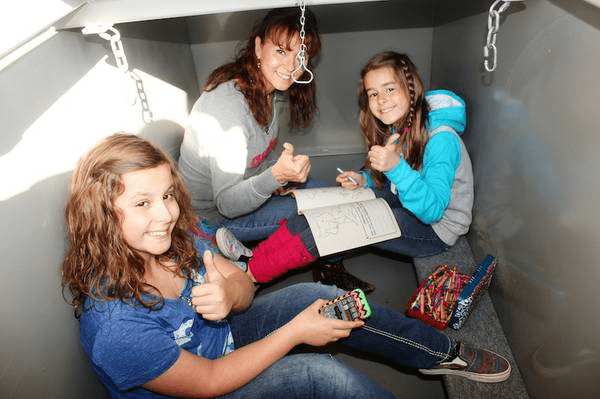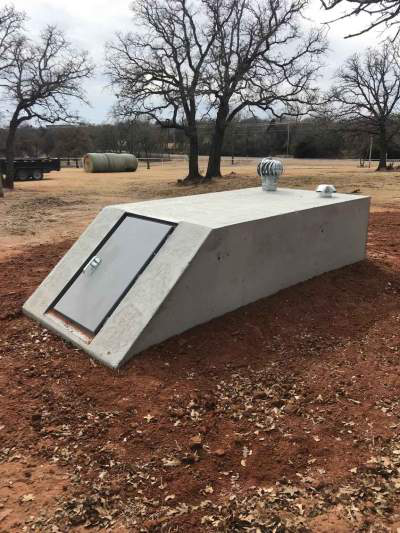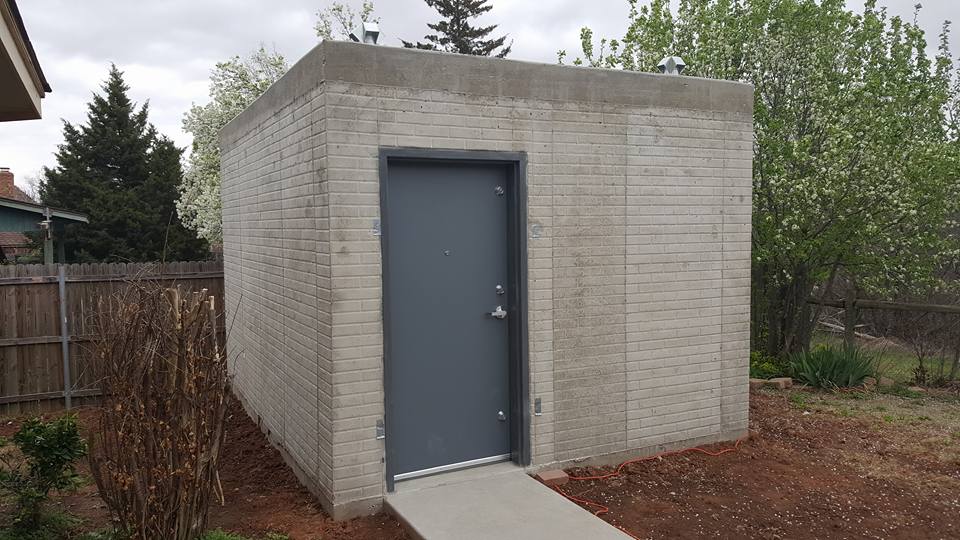
Storm shelters are a critical investment for anyone living in the heart of “Tornado Alley.” In Oklahoma, the question is never if a storm will hit, but when. While a high-quality shelter from Oklahoma Shelters provides the physical protection you need against high winds and debris, physical safety is only the first step.
Being truly prepared means having a fully stocked survival kit. You never know how long you may need to remain in your shelter. It could be for twenty minutes, or it could be for several days if debris blocks your exit or emergency services are delayed. This guide breaks down the essential medical supplies you must have in your storm shelter to handle injuries and health needs during and after a disaster.
The Importance of a Comprehensive First-Aid Medical Kit
A survival kit is not just a luxury; it is a necessity. When a tornado or hurricane strikes, medical emergencies can happen in an instant. Debris can cause cuts, the stress of the event can trigger physical ailments, and existing conditions must be managed. Having the right supplies on hand allows you to stabilize injuries until professional help arrives.
1. A Comprehensive First-Aid Manual
The most important item in your kit is not a bandage or a pill—it is knowledge. In a high-stress emergency, even trained individuals can forget their protocols.
-
Accessibility: Ensure your manual is written in plain language.
-
Visual Aids: Look for manuals with diagrams showing how to apply a tourniquet or perform CPR.
-
Novice-Friendly: Even if you are trained, someone else in the shelter may not be. A clear manual allows a novice to provide life-saving care.
Keep this manual at the very top of your medical kit so it is the first thing you see when you open the lid.
Over-the-Counter Essentials and Medications
You cannot predict how your body will react to the environment inside a storm shelter. Dust, stress, and minor injuries can all be managed with a well-stocked pharmacy of over-the-counter (OTC) medications.

Stocking Your Medications
You should maintain a fresh supply of the following:
-
Painkillers: Ibuprofen or Acetaminophen are essential for managing headaches, toothaches, or minor physical pain caused by the storm.
-
Antihistamines: Storms often stir up massive amounts of dust, pollen, and mold. Allergic reactions can be severe and distracting during an emergency.
-
Anti-Inflammation Medication: These help reduce swelling from sprains or bruises that might occur while entering the shelter or during the impact of the storm.
Pro-Tip: Regularly check the expiration dates on these medications. Replace any that are nearing their end-of-life date to ensure they remain potent when you need them most.
Sanitization and Infection Prevention
In the aftermath of a storm, cleanliness becomes a major challenge. If your shelter is damp or if you are dealing with open wounds, infection is your biggest enemy.
Cleaning Supplies
Keep your injury site clean with these essentials:
-
Antibacterial Wipes: These are perfect for cleaning your hands before treating a wound or for wiping down surfaces.
-
Antiseptics and Disinfectants: Rubbing alcohol and hydrogen peroxide are vital for flushing out dirt and bacteria from deep cuts.
-
Antibiotic Ointments: Once a wound is clean, applying an ointment like Neosporin creates a barrier against bacteria and speeds up the healing process.
Protective Gear
Do not forget to protect the person providing the care.
-
Medical-Grade Gloves: Ensure you have gloves that are durable. Store them in a cool, dry place within the kit to ensure they do not melt or break down over time. Nitrile gloves are often better than latex as they avoid allergy issues.
Wound Care Tools and Materials
If a Oklahoma storm causes structural damage, the risk of puncture wounds or lacerations increases. Your kit must be equipped to handle blood loss and wound protection.
Sterilizing and Cutting Tools
-
Tweezers: Essential for removing glass shards, splinters, or debris from a wound.
-
Medical Scissors: These are necessary for cutting through clothing to reach an injury or for sizing gauze pads and bandages.
-
Rubbing Alcohol: Use this to sterilize your tools before they touch an open wound.
Dressings and Bandages
-
Gauze Pads: Keep various sizes of sterile gauze pads for heavy bleeding.
-
Adhesive Bandages: Have a variety of shapes and sizes for minor nicks and cuts.
-
Medical Tape: This is used to secure gauze and dressings in place when a standard bandage won’t fit the area.
Structural Support: Splints and Tapes
In the chaos of a storm, trips and falls are common. Broken bones or severe sprains require immediate stabilization to prevent further nerve or tissue damage.
-
Splints: A SAM splint or similar moldable material is lightweight and can be used to stabilize a limb.
-
Elastic Wraps: These provide compression for sprains and can hold a splint in place.
-
Triangular Bandages: These are incredibly versatile and can be used as a sling for an injured arm or as a large pressure dressing.
Maintaining Your Oklahoma Storm Shelter Supplies
Having the supplies is only half the battle; maintaining them is the other half. Oklahoma’s climate can be humid, which may affect the integrity of your medical supplies.
-
Waterproof Containers: Store all medical supplies in an airtight, waterproof container to prevent moisture from ruining bandages or degrading medications.
-
Regular Audits: Every six months (perhaps during the start of spring and autumn), go into your shelter and check your kit.
-
Personal Prescriptions: If you or a family member takes daily medication (such as insulin or heart medication), keep at least a three-day “bridge supply” in your shelter kit.
Trust Oklahoma Shelters for Your Safety
A first-aid kit is your second line of defense. Your first line of defense is a high-quality, professionally installed storm shelter from Oklahoma Shelters. At Oklahoma Shelters, we specialize in providing residents with the peace of mind they deserve.
Our shelters are designed to withstand the most violent Oklahoma weather, giving you a safe harbor to wait out the storm. Once the wind dies down, you can count on your shelter to have kept you and your family safe.
If you do not currently have a reliable place to go when the sirens sound, do not wait until the next cloud forms.
Stay prepared, stay stocked, and stay safe. Contact Us Today