The Ultimate Oklahoman’s Guide: Preparing for Tornado Season
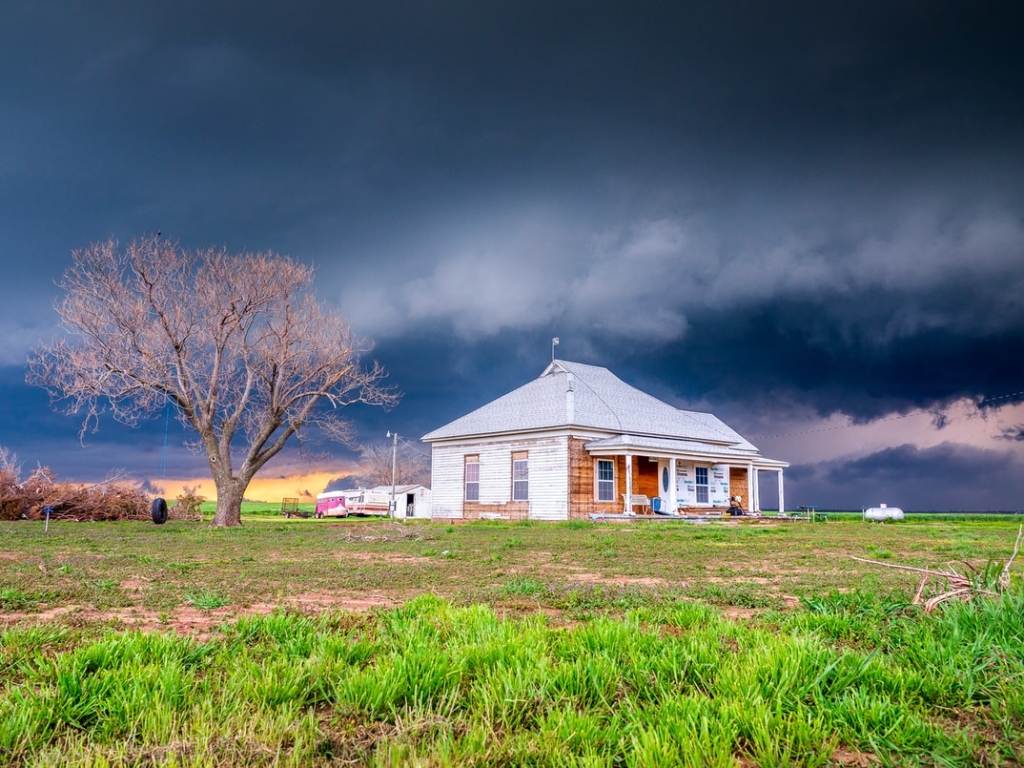
There is a specific scent to the air in Oklahoma just before the sirens wail. It is a heavy, metallic smell, mixed with the dampness of red dirt and the scent of crushed grass. If you’ve lived here long enough, that smell makes the hair on your arms stand up. I remember sitting on my porch in May of 1999. I watched the sky turn a bruised, sickly shade of green that looked like a bad Hollywood special effect. You don’t forget a sky like that.
In the Sooner State, tornado preparation isn’t just a “good idea.” It is a vital part of our culture. It is the price we pay for those beautiful, wide-open horizons and the best sunsets on Earth. But let’s be honest: when the meteorologist starts rolling up their sleeves and pointing to your county, it is too late to start looking for your shoes.
You need to be ready now. This guide is built on decades of experience—from someone who has spent many hours in a cellar, listening to the roar of the wind above.
Why Oklahoma is the Global Epicenter of Storms
Have you ever wondered why the atmosphere seems to have a grudge against our patch of red dirt? It is all about geography. Oklahoma sits at a unique atmospheric crossroads.
Cold, dry air sweeps down from the Canadian Rockies. Meanwhile, warm, moist air surges up from the Gulf of Mexico. Finally, hot, dry air pushes in from the desert Southwest. When these three players meet over the flat plains of Oklahoma, the result is a meteorological powder keg.
Because our terrain is relatively flat, there is nothing to break up the wind. These storms can maintain their structural integrity for hundreds of miles. This is why we have to be more prepared than almost anyone else in the world.
The Pre-Season Mental Audit: Timing is Everything
While “tornado season” usually peaks from late March through June, any veteran Oklahoman knows the wind can turn violent in December or October too. Preparation is a year-round mindset.
Start by auditing your home. Do you know exactly where you will go if a warning is issued at 2:00 AM? Many people panic because they haven’t visualized the move.
Key Questions to Ask Yourself:
-
Do I have a clear path to my shelter or safe room?
-
Are the hinges on my cellar door lubricated and functioning?
-
Does every family member know the difference between a “Watch” and a “Warning”?
-
Where is the dog’s leash located?

Decoding the Language of the Skies
Before you can prepare your body, you must prepare your mind. Knowledge is the best antidote to panic. In Oklahoma, our local meteorologists are like celebrities for a reason—they save lives. But you have to understand what they are saying.
1. The Tornado Watch
Think of this as the “Ingredients” phase. The atmospheric ingredients for a tornado are on the kitchen counter. A tornado might happen, but it hasn’t formed yet. During a watch, you should be checking the radar every 30 minutes and ensuring your “Go-Bag” is by the door.
2. The Tornado Warning
This is the “Cooking” phase. A tornado has been spotted on the ground or indicated by Doppler radar. It is time to eat. Or, in our case, it is time to get in the hole. Do not wait until you see the funnel. Rain-wrapped tornadoes are common in Oklahoma, meaning you might never see it coming until it is too late.
3. The PDS (Particularly Dangerous Situation)
When you hear this term, the stakes have changed. A PDS warning means a large, violent, and long-track tornado is expected. This is not the time to “wait and see.” It is the time for maximum urgency.
Building a “Go-Bag” That Actually Works
Most people have a flashlight and some old batteries. That is not enough. After a major strike, you might be without power, water, or access to a grocery store for several days.
I’ve learned that the most important items in your bag aren’t just food and water—they are the items that keep you safe during the storm.
The Survival Essentials:
-
Helmets: This is the #1 life-saving tip. Most tornado fatalities are caused by blunt force trauma to the head. Have bicycle, batting, or construction helmets for every family member in your shelter.
-
Sturdy Shoes: Never go to your shelter barefoot. If your house is damaged, you will be walking through glass, nails, and splintered wood. Keep an old pair of sneakers in the shelter.
-
Air Horn or Whistle: If you are trapped under debris, your voice will fail quickly. A whistle or air horn will lead rescuers to you.
-
A Hand-Crank Weather Radio: Cell towers often fail during major outbreaks. A NOAA weather radio is your only reliable source of information.
-
Personal Documents: Keep copies of your ID, insurance policies, and birth certificates in a waterproof bag.
The Strategy of Sheltering
Where you go depends on what you have. If you are lucky enough to have a dedicated storm shelter, your job is easy. If not, you must be strategic.
If You Have a Professional Shelter
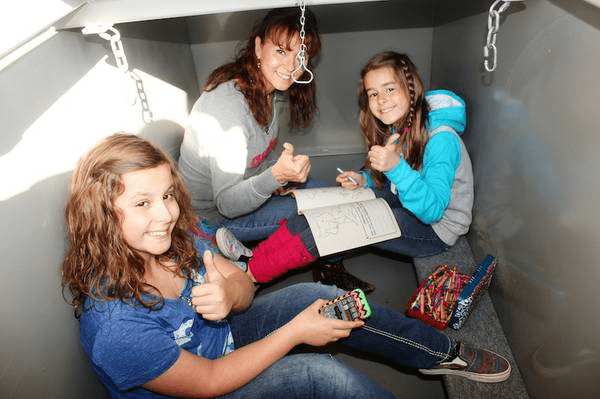
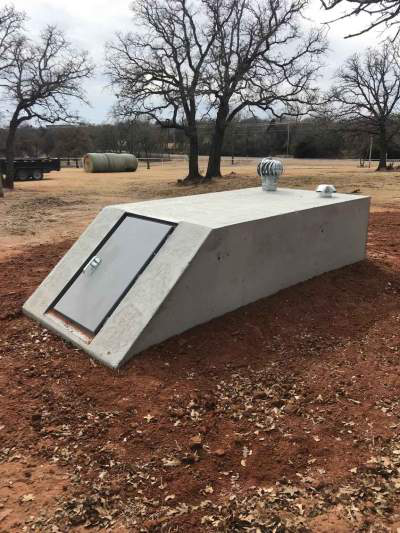
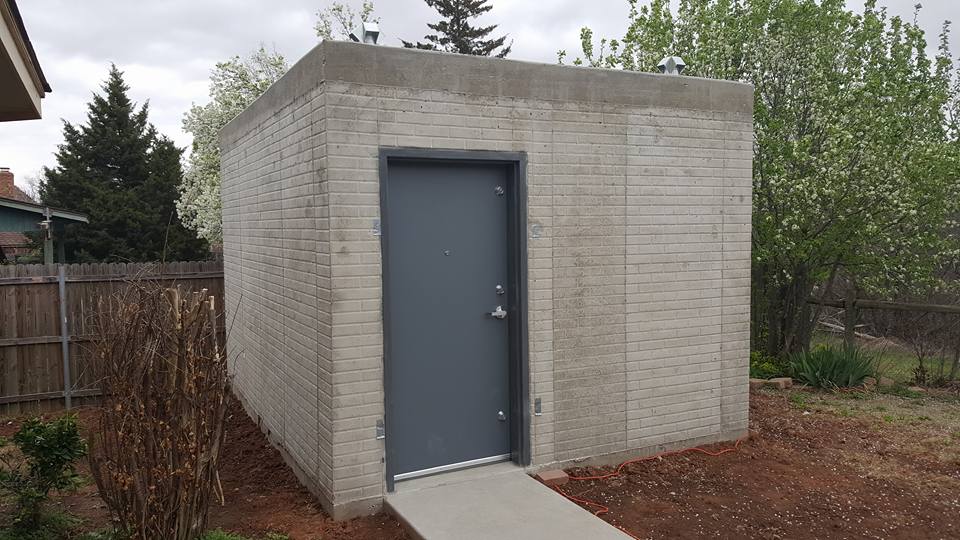
Whether it is an underground garage unit or an above-ground safe room, ensure it is clear of clutter. Many people use their shelters for storage in the winter. By March, that shelter should be empty of everything except your survival gear.
If You Live in a Mobile Home
This is a hard truth: You cannot stay in a mobile home during a tornado. Even if it is tied down, the structural integrity of a mobile home is no match for 100+ mph winds. You must have a pre-planned location—a neighbor’s house, a local library, or a community shelter—and you must go there as soon as a Watch is issued.
If You Are in a Standard Home (No Shelter)
-
Get to the lowest floor.
-
Put as many walls between you and the outside as possible.
-
Interior bathrooms or closets are usually the strongest points.
-
Stay away from windows. Glass becomes shrapnel in a storm.
Family Drill: The “60-Second Challenge”
Panic happens when people don’t know their roles. Have you ever tried to find a terrified cat and two crying kids while sirens are screaming? It is chaos.
Once a month during the spring, run a “60-Second Challenge.”
-
Call out “Tornado Drill!”
-
Everyone must drop what they are doing.
-
Put on shoes and helmets.
-
Grab the “Go-Bag.”
-
Meet in the shelter.
If it takes longer than 60 seconds, analyze the bottlenecks. Is the hallway cluttered? Is the shelter door blocked by the lawnmower? Fix the issues now while the sun is shining.
Caring for Pets During the Storm
Our four-legged family members feel the pressure drop before we do. They get anxious. They hide.
-
Microchip your pets: If your fence is blown down, a microchip is the best way to be reunited.
-
Keep a crate in the shelter: A terrified dog can become aggressive or bolt. Keeping them in a crate keeps them (and you) safe.
-
Comfort items: Put an old blanket or a favorite toy in the shelter to help calm their nerves.
Technological Preparation: Your Digital Lookout
We live in the golden age of weather technology. Use it.
-
Wireless Emergency Alerts (WEA): Make sure these are enabled on your smartphone. They will wake you up in the middle of the night even if your phone is on “Do Not Disturb.”
-
Radar Apps: Apps like RadarScope or Carrot Weather provide high-resolution data that can show you exactly where the “hook echo” is located.
-
Follow Local Experts: On social media, follow the meteorologists from the OKC and Tulsa news stations. They provide “now-casting” that is much more specific than national apps.
The Aftermath: The First 60 Minutes
The danger doesn’t end when the wind stops. In fact, many injuries occur after the storm has passed.
-
Check for Gas Leaks: If you smell gas or hear a hissing sound, get away from the house immediately and call the utility company.
-
Downed Power Lines: Treat every wire as if it is live. Do not walk through puddles near downed lines.
-
Structural Integrity: If your house was hit, roofs and walls can collapse long after the wind has died down. Be extremely careful when re-entering.
Why a Professional Shelter is the Only 100% Solution
I’ve seen houses leveled to the concrete slab. In those moments, an interior closet simply isn’t enough. The only way to ensure your family’s survival against an EF4 or EF5 tornado is a FEMA-rated storm shelter.
Whether it is an underground unit that stays out of the way in your garage or a reinforced steel safe room, these structures are engineered to withstand the weight of a house falling on them.
Investing in Peace of Mind
When you live in Oklahoma, a storm shelter isn’t an expense—it is an investment in your family’s future. It increases your home’s value and, more importantly, it eliminates the “weather anxiety” that many of us feel every time the clouds turn grey.
Choose Oklahoma Shelters for Your Protection
As Oklahomans, we understand the power of the wind. At Oklahoma Shelters, we don’t just sell products; we provide a sanctuary. Our team lives and works in the same communities you do. We’ve been through the same storms.
Our shelters meet or exceed all FEMA 320 and ICC-500 standards. We offer:
-
Professional installation by experienced crews.
Take the Next Step Today
Don’t wait for the next “high-risk” forecast to realize you aren’t ready. The best time to prepare was yesterday. The second best time is today.
Contact Oklahoma Shelters for a Free Quote:
-
Email: sales@oklahomashelters.net
-
Expertise: Over two decades of protecting Oklahoma families.
-
Local Reliability: We are your neighbors in safety.
Let’s make sure that when the next big one rolls across the plains, your family is safe, secure, and behind steel.
Stay weather-aware, stay prepared, and remember: we are Oklahomans. We don’t just survive the storm—we plan for it.
For a personalized consultation and a free quote on a custom-installed shelter, email us today at sales@oklahomashelters.net. Your family’s safety is our priority.