The Oklahoma Survival Guide: 4 Pillars of a Family Tornado Plan
Have you ever looked at an Oklahoma sky and seen it turn that eerie shade of bruised-plum green? If you’ve lived here long enough, you know that color. It’s the color of a supercell deciding whether or not it wants to drop a signature on the landscape. I’ve stood on my porch in Moore and watched the horizon disappear more times than I care to count. In those moments, you don’t want to be wondering if your flashlight has batteries or if your kids know where to go. You want to be moving with the quiet confidence of someone who has a plan.
Tornadoes are the great equalizers of the Great Plains. They don’t care about your zip code or the make of your car. However, they are remarkably predictable in their unpredictability. We know they are coming—we just don’t always know exactly when or where the dryline will bulge. That is why a “plan” isn’t just a piece of paper on your fridge. It’s a survival contract you sign with your loved ones.
As someone who has seen the 1999 and 2013 storms up close, I can tell you: preparation is the only thing that silences the fear when the sirens start their wail. Let’s walk through the four essential pillars of building a family tornado emergency plan that actually works when the wind starts to howl.
1. Accounting for Every Soul: Size and Customization
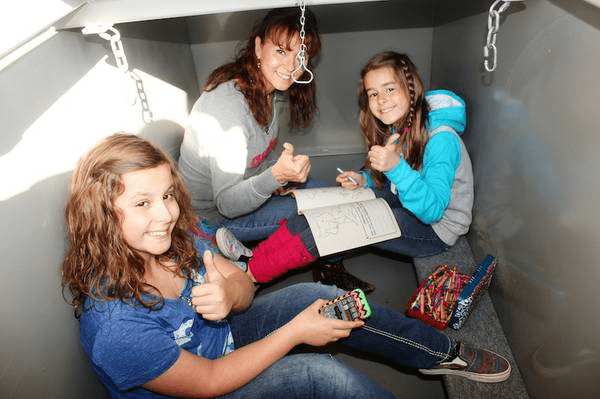
When the meteorologist on the TV starts pointing at your street, that is not the time to realize your neighbor’s cousin is over and you don’t have enough room in the shelter. We often think of “family” as just the people living under our roof, but an Oklahoma tornado plan needs to be more expansive than that.
Don’t Underestimate the “Crowd Factor”
How many people are actually in your house on a typical Tuesday versus a Sunday afternoon? If you are the “host” house for family gatherings, your shelter needs to reflect that. Many folks make the mistake of buying a standard four-person shelter when they actually have six people and three dogs.
In a high-stress situation, personal space vanishes. But oxygen and structural integrity are non-negotiable. At Oklahoma Shelters, we often talk to families who realize too late that a “standard” size is actually a “tight” size. We advocate for custom underground bunkers or garage shelters that provide breathing room—literally.
The Psychology of Space
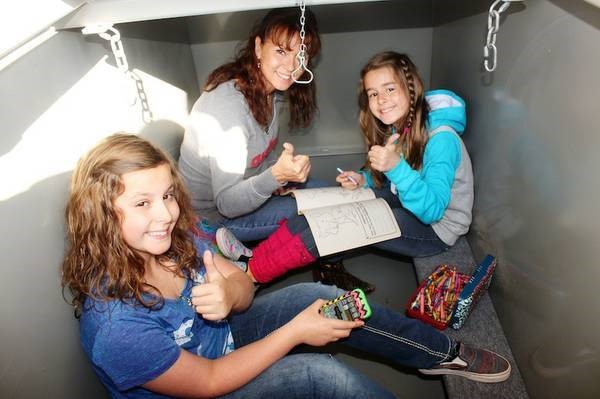
Why does size matter beyond physical comfort? Because a cramped, claustrophobic family is a panicked family. When you have enough room for everyone to sit down, the collective heart rate of the group stays lower. You can think more clearly. You can hear the weather radio better.
-
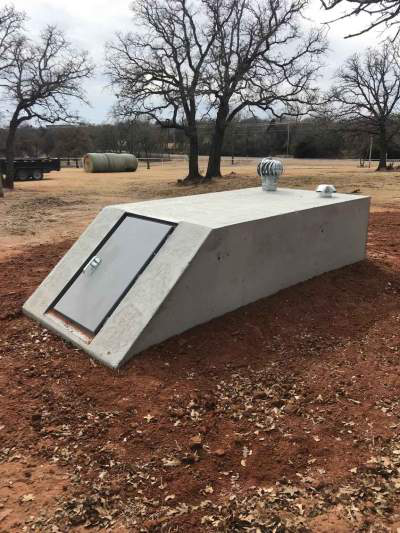
Pro Tip: If you have a large family, consider an underground garage shelter. They maximize the footprint of your home without taking up yard space, and they can be scaled to accommodate a small army if necessary.
2. Accessibility: Planning for the Most Vulnerable
It’s easy to plan for a tornado when everyone is young and athletic. But what about Grandma? What about your son who uses a wheelchair? Or your toddler who freezes when things get loud?
The Barrier of Stairs and Ladders
I remember a neighbor back in the early 2000s who had a classic “root cellar” style shelter in the backyard. When the sirens went off, it took ten minutes just to get his elderly father down the steep, slippery concrete stairs. In Oklahoma, ten minutes is a lifetime. You might only have thirty seconds of lead time if a rain-wrapped wedge is moving at 60 mph.
This is where the type of shelter you choose becomes a life-or-death decision. If you have family members with mobility issues, an underground shelter with a ladder is a non-starter.
The Steel Safe Room Advantage
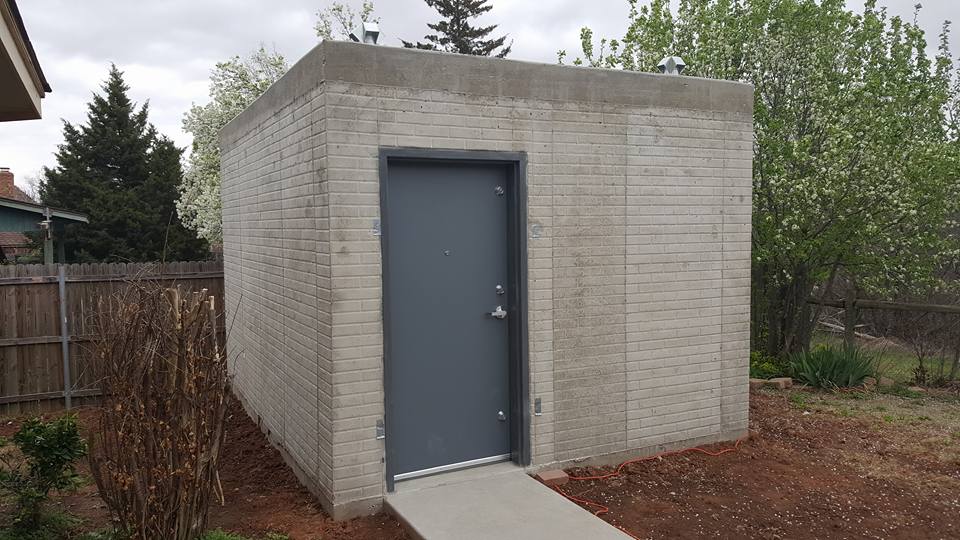
For those with special needs or physical challenges, a steel safe room is often the superior choice. These are installed on the ground level, usually in the garage or a reinforced interior room. There are no stairs to navigate. A wheelchair can roll right in.
-
Accessibility Features to Consider:
-
Low-profile thresholds for wheelchairs and walkers.
-
Interior grab bars for stability.
-
Battery-powered LED lighting (don’t rely on the house power).
-
Ventilation that isn’t easily blocked by debris.
-
3. Role Assignment: Turning Chaos into Coordination
In the heat of the moment, the human brain tends to revert to its most primal state. We call it “The Fog of Storm.” You forget where your keys are. You forget to grab the baby’s formula. The only way to bypass this mental block is through pre-assigned roles.
Treat Your Family Like a Flight Crew
Every person in your house who is old enough to walk and talk should have a job. When the “Warning” is issued, the “flight crew” should spring into action.
-
The Information Officer: Usually the parent or older teen. Their job is to monitor the local news and the NOAA weather radio. They tell the family when it’s time to “Go.”
-
The Logistics Manager: This person is responsible for the “Go-Bag.” They ensure the bag is in the shelter or by the door.
-
The Pet Warden: If you have dogs or cats, one specific person needs to be in charge of getting them on a leash or in a crate. Pets sense the pressure drop and often hide. You can’t spend twenty minutes looking for a cat under the bed.
-
The Quartermaster: This child or adult is in charge of shoes. Yes, shoes! After a tornado, the ground is covered in glass, nails, and splintered wood. You cannot walk out of a shelter barefoot.
Education: Watches vs. Warnings
Does your five-year-old know the difference between a “Watch” and a “Warning”? They should. I like to use the “Taco Analogy” that’s been going around lately:
-
Tornado Watch: We have all the ingredients for tacos on the counter. We could have tacos soon.
-
Tornado Warning: We are having tacos right now.
Teaching your kids the “Sound of the Siren” versus the “Sound of the Radio” empowers them. It takes the “monster” out of the storm and replaces it with a set of instructions.
4. Pets: The Often-Overlooked Family Members
Our pets aren’t just animals; they’re family. But in a tornado, a scared 70-pound Lab can become a major safety hazard if he isn’t managed correctly.
The “Anxiety Prep”
Animals feel the barometric pressure change long before we hear the sirens. They get twitchy. They get jumpy. Your plan must include a way to secure them quickly.
-
Leashes and Crates: Never put a pet in a shelter without a leash or a carrier. If the house above you is damaged, the pet’s first instinct will be to bolt into the debris.
-
The Pet Go-Bag: Just like you, they need supplies.
-
Three days of food and water.
-
A copy of vaccination records (important if you have to go to a public shelter or vet later).
-
Comfort items like a familiar toy or a “ThunderShirt.”
-
Extra waste bags (you might be in that shelter longer than you think).
-
Outdoor Animals
If you live on a few acres and have horses or cattle, the plan changes. Conventional wisdom in Oklahoma says not to lock them in a barn. Barns collapse. Most livestock have a better chance in an open field where they can outrun the debris path. It’s a hard choice, but it’s part of the reality of life on the Plains.
The “Go-Bag” Deep Dive: Beyond the Basics
You’ve heard it a thousand times: “Pack a kit.” But what goes in an Oklahoma kit? We aren’t just talking about a couple of granola bars.
The Essentials List
-
Water: One gallon per person per day. If you’re in a safe room, it might get hot.
-
First Aid Kit: Not just Band-Aids. You need heavy gauze, tourniquets, and antiseptic.
-
Personal Documents: In a waterproof bag. Think insurance policies, birth certificates, and social security cards. If the house goes, you’ll need these to start over.
-
Helmets: This is a tip that saved lives in the Moore 2013 storm. Put on bicycle or batting helmets. Head trauma from flying debris is a leading cause of death in tornadoes.
-
Portable Power: A brick to charge your phone. If towers are still up, you’ll need to call your family.
The Aftermath: The “Meeting Spot”
The plan doesn’t end when the storm passes. In fact, that’s when it gets the most complicated. If you are at work and your kids are at home, where do you meet if the neighborhood is unrecognizable?
Pick Two Spots
-
The Immediate Spot: Right outside the shelter or at the end of the driveway.
-
The Neighborhood Spot: A local library, church, or friend’s house outside the immediate area.
Cell service often crashes during a disaster. Have an out-of-state contact—someone everyone calls to check in. It’s easier to get a long-distance call through than a local one when the lines are jammed.
Final Wisdom: The Drill is the Thrill
You can have the best plan in the world, but if you haven’t practiced it, it’s just a wish. We suggest doing a “Surprise Drill” once every season. Kill the lights, set off an alarm on your phone, and see how long it takes everyone to get into the shelter.
If it takes more than three minutes, you need to refine the plan.
Living in Oklahoma means respecting the power of the atmosphere. We don’t live in fear; we live in readiness. If you don’t have a safe place to go yet, or if your current shelter is feeling a bit small for your growing family, don’t wait for the sky to turn green.
Reach out to us at Oklahoma Shelters. We’ve been through the storms, and we know exactly what it takes to keep an Oklahoma family safe.
Recap of the Tornado Safety Plan
-
Assess Capacity: Ensure your shelter fits your current family size plus guests and pets.
-
Prioritize Accessibility: Opt for safe rooms if family members have mobility challenges.
-
Assign Roles: Give everyone a job to reduce panic and increase efficiency.
-
Protect Pets: Keep leashes and supplies inside the shelter area.
-
Prepare a Kit: Include helmets, shoes, and waterproofed documents.
-
Practice: Run drills until the movement to the shelter is muscle memory.
Don’t wait until the sirens are sounding. Protect your legacy and your loved ones today. For a free estimate on a custom EF5-rated storm shelter or safe room, contact Oklahoma Shelters.
Email: sales@oklahomashelters.net Phone: 405-367-7901