Oklahoma is famous for its wide-open skies, but those same skies can turn dangerous in an instant. Storms do not wait for you to be ready. In the heart of Tornado Alley, a storm shelter is not just a home improvement; it is a life-saving necessity.
Planning for a storm shelter involves more than just picking a spot in the yard. You must consider timing, type, budget, and local regulations. This comprehensive guide breaks down the planning process into actionable steps to ensure your family is protected before the next severe weather season arrives.

When to Start Your Planning
Timing is the most overlooked factor in storm safety. Many homeowners wait until the first spring thunderstorm to start thinking about a shelter. By then, demand is at its peak.
Start in the Fall or Winter
The best time to start planning your installation is during the fall or winter months. During the “off-season,” you will face fewer hurdles. Planning early offers several distinct advantages:
-
Shorter Wait Times: Installers are often booked months in advance during the spring. In the winter, you can often schedule an installation much sooner.
-
More Options: You will have a better selection of shelter models and sizes before the spring rush depletes inventory.
-
Better Weather for Installation: Installing an outdoor shelter involves excavation. It is much easier to dig and set a shelter when the ground is not saturated by heavy spring rains.
What to Do: The Essential Planning Steps
Once you have decided to prioritize safety, follow these steps to ensure you choose the right shelter for your property and lifestyle.
1. Pick a Shelter Type
There is no “one-size-fits-all” solution for storm protection. You must choose a style that fits your home’s layout.
-
Garage Shelters: These are installed beneath your garage floor. They save space and allow you to stay dry when entering the unit.
-
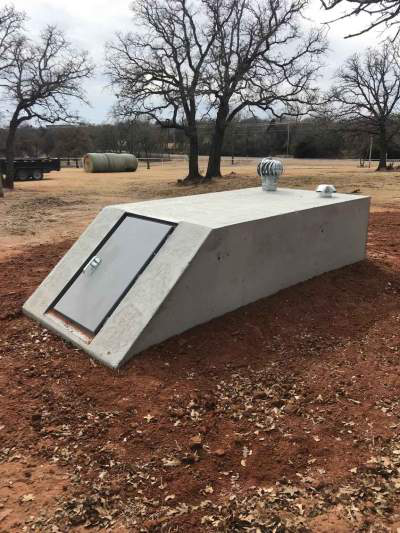
Outdoor Shelters: Often called “sloped” or “flat-top” underground bunkers, these are placed in your yard. They are ideal for large families or those with significant yard space.
-
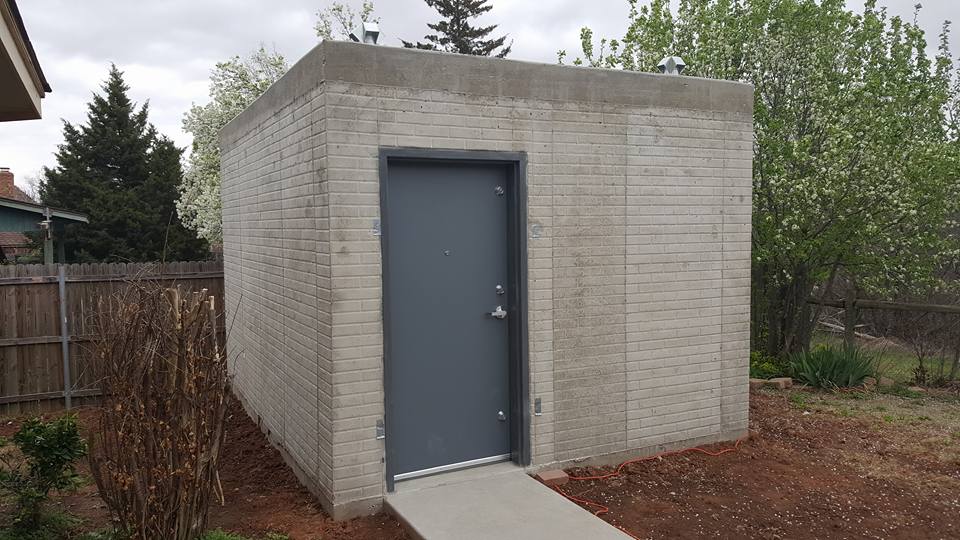
Above-Ground Safe Rooms: These are reinforced steel rooms installed inside a garage or a home. They are the best option for individuals with limited mobility who cannot navigate stairs or ladders.
2. Assess Your Specific Needs
Think beyond just the structure. Consider who will be using the shelter.
-
Family Size: Ensure the shelter’s capacity meets your current family size plus any pets or frequent guests.
-
Mobility Requirements: If you have elderly family members or small children, a walk-in safe room or a shelter with easy-access stairs is better than one with a steep ladder.
-
Access Speed: How far is the walk to the shelter? In Oklahoma, a storm can develop overhead in minutes. Your shelter must be quickly accessible from your primary living area.
3. Set a Realistic Budget
A storm shelter is a long-term investment in your home’s value and your family’s safety. When setting your budget, remember to factor in:
-
Material Costs: Steel and concrete prices can fluctuate.
-
Installation Fees: Professional installation ensures the unit is anchored correctly to prevent “floating” or shifting.
-
Financing Options: Many reputable installers offer financing to make this essential purchase more affordable for Oklahoma families.
4. Check Local Building Codes and Permits
Before the shovels hit the dirt, you must ensure compliance with local building requirements. Most cities in Oklahoma require a permit for storm shelter installation.
-
Permit Requirements: Your city may need to inspect the site to ensure it doesn’t interfere with utility lines.
-
Registration: Once installed, many cities allow you to register your shelter with emergency services. This ensures first responders know where to look for you if your home sustains damage.
Finding a Reputable Installer
Your shelter is only as reliable as the team that installs it. Do not settle for “handyman” services for something this critical.
Choose a Certified Local Expert
Look for an installer that specializes in Oklahoma-specific weather. They should provide:
-
FEMA-Compliant Designs: Your shelter should meet or exceed FEMA P-320 and ICC-500 standards.
-
Tested Strength: Ask if their designs have been debris-impact tested at the Texas Tech National Wind Institute.
-
Expert Site Evaluation: A professional will check your soil type and utility locations before beginning the work.
Why Choose Oklahoma Shelters?
At Oklahoma Shelters, we make storm safety simple. We have spent years protecting our neighbors across the state from the toughest weather on the planet.
FEMA-Compliant and Tested
We do not take shortcuts. All of our shelters are built to withstand the incredible forces of an EF5 tornado. When you choose us, you are choosing a structure that has been rigorously tested and proven to save lives.
Professional Installation and Consultations
We handle the heavy lifting so you don’t have to. From the initial site assessment to the final bolt, our expert installation team ensures your shelter is set perfectly. We offer free consultations to help you navigate the “Planning Checklist” and find the exact model that fits your budget and property.
Be Ready Before the Next Siren Sounds
In Oklahoma, it is not a matter of if a storm will come, but when. Don’t let the spring rush leave your family unprotected. Use the winter months to get your planning in order, secure your permit, and schedule your installation.
Safety and peace of mind are just a few steps away. Take the first step today by visiting our website and exploring our range of garage, outdoor, and safe room options.