The Oklahoma Family Tornado Safety Guide: Expert Survival Strategies
The sky in Oklahoma has a way of telling you a secret before it starts to shout. If you have lived here long enough, you know that specific, heavy stillness that settles over the red dirt in late April. The air feels thick, almost electric, and the wind—usually a constant companion—suddenly vanishes. It is in these quiet moments that the most critical decisions are made.
As someone who has spent decades watching the horizon from a porch in Moore and huddled in shelters in Tulsa, I can tell you that “preparedness” isn’t just a buzzword. It is the difference between a close call and a tragedy. In this state, we don’t just endure the weather; we respect it. This guide is designed to move your family from a state of anxiety to a state of absolute readiness.
The Psychological Shift: From Fear to Foundation
Why do so many people wait until the sirens wail to start looking for their shoes? It is a phenomenon called “normalcy bias.” We want to believe that because the last three storms missed us, the next one will too. In Oklahoma, that is a dangerous gamble.
Survival begins with a mental shift. You must accept that the “Big One” isn’t a myth; it is a statistical reality of living in the plains. When you stop fearing the storm and start preparing for it, the atmosphere changes. You gain a sense of control. This control is what keeps families calm when the power goes out and the roar of the wind begins to sound like a freight train.
Creating a Bulletproof Family Communication Plan
In the heat of a “Moderate Risk” day, communication can break down. Cell towers often become overwhelmed or are physically damaged by high winds. Have you ever tried to call a loved one during a major outbreak only to hear a busy signal? It is a terrifying experience.
The “Out-of-State” Contact
Designate one relative who lives outside of Oklahoma (or at least 200 miles away) as your family’s primary contact. During a disaster, it is often easier to call or text long-distance than it is to reach someone across town.
The Physical Meeting Spot
If your home is damaged and family members are separated, where do you meet?
-
Primary Spot: Your home’s storm shelter or safe room.
-
Secondary Spot: A specific neighbor’s house or a recognizable landmark (like a neighborhood park) that is likely to survive.
-
Tertiary Spot: A local library or fire station outside your immediate neighborhood.
The “Go-Bag” Reimagined: More Than Just Band-Aids
Most people think of a first-aid kit when they hear the term “preparedness.” While bandages are great, they won’t protect you from the most common cause of tornado-related injury: blunt force trauma.
The Head Protection Protocol
If you take nothing else from this article, remember this: Put on a helmet. Whether it is a bicycle helmet, a batting helmet, or a construction hard hat, protecting your head is the single most effective way to survive a structural collapse. Research from the 2011 Joplin and 2013 Moore tornadoes showed that many fatalities could have been prevented by basic headgear.
The Essential Go-Bag Checklist
Keep these items in a waterproof backpack inside your shelter at all times:
-
Sturdy Footwear: Do not go into a shelter in flip-flops. If your house is damaged, you will be walking through glass, nails, and splintered wood. Keep a pair of old sneakers or boots in the shelter for every family member.
-
Flashlights and Headlamps: Headlamps are superior because they keep your hands free to hold onto children or pets.
-
A Hand-Crank NOAA Weather Radio: When the Wi-Fi dies and the cell towers fall, the airwaves remain. This is your lifeline to the meteorologists.
-
Prescription Medications: A three-day supply of any essential meds.
-
Digital Documents: A USB drive containing scans of your IDs, insurance policies, and photos of your home for insurance claims.
-
Whistles: If you are trapped under debris, a whistle is much louder and lasts longer than your voice.
Deciphering the Siren: What Are You Actually Hearing?
There is a common misconception in Oklahoma that the sirens mean “a tornado is on the ground.” In reality, sirens are designed for people who are outdoors. If you are inside your home, you may not hear them at all over the sound of rain and wind.
Watch vs. Warning
-
The Watch (The Ingredients): This means the atmosphere is “primed.” The ingredients for a tornado are on the counter. You should be checking the radar every 30 minutes and ensuring your go-bag is ready.
-
The Warning (The Meal): This means a tornado is either visually spotted or indicated by Doppler radar. The “meal” has been served. It is time to move.
-
The PDS (Particularly Dangerous Situation): If you hear this term, the meteorologists are seeing a large, violent, and long-track tornado. This is the time to exert maximum urgency.
The Hierarchy of Safety: Where Should You Go?
Not all “safe spots” are created equal. If you are building a plan, you need to understand the hierarchy of protection.
1. The Purpose-Built Storm Shelter (The Gold Standard)
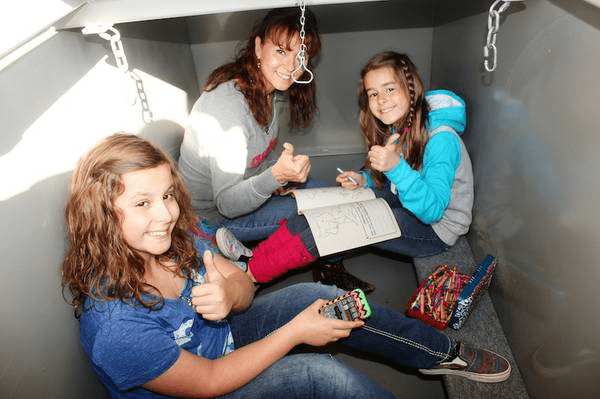
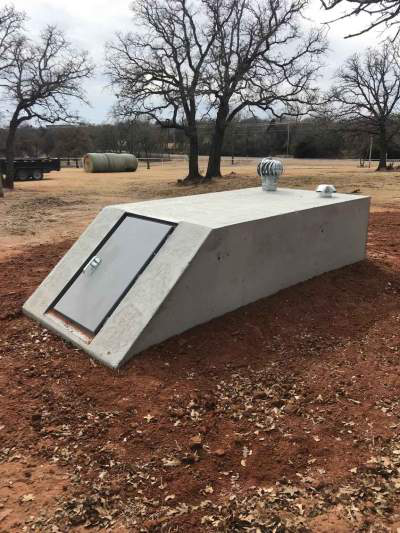
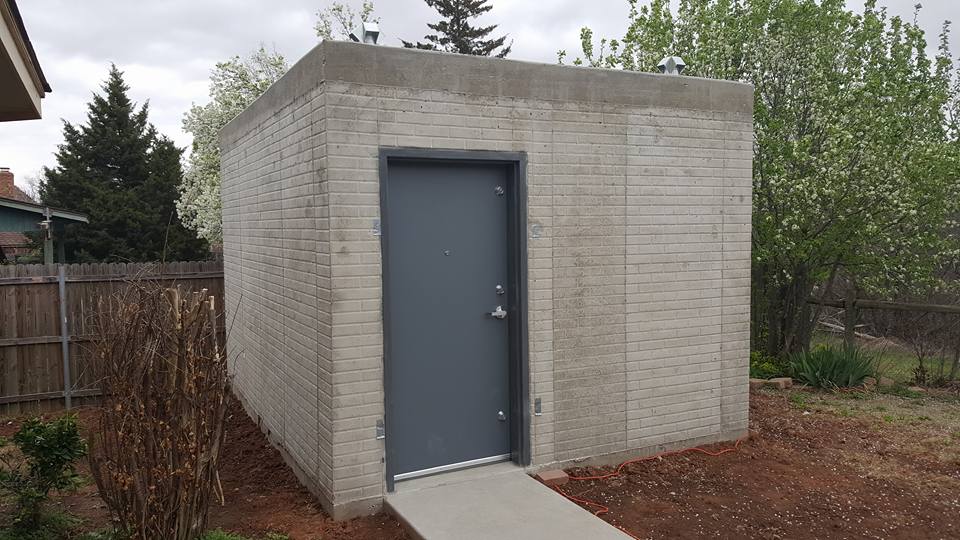
Whether it is an underground garage unit, a concrete cellar, or a steel-reinforced safe room, these are designed to withstand EF5 winds. At Oklahoma Shelters, we ensure every unit meets FEMA 321 and ICC-500 standards. This is the only way to have 100% peace of mind.
2. The Interior Room (The Last Resort)
If you don’t have a shelter, you must find the lowest floor and put as many walls as possible between you and the outside.
-
The Bathroom: Central bathrooms are often the only rooms left standing because the plumbing pipes provide extra structural reinforcement.
-
The Closet: A small, interior closet under a staircase is another strong option.
-
The Basement: Rare in Oklahoma due to the clay soil, but if you have one, get away from the windows and under a sturdy workbench.
3. Areas to Avoid at All Costs
-
Windows: Never open your windows to “equalize pressure.” This is a deadly myth. Opening windows allows the wind to enter the house and lift the roof off from the inside out.
-
Mobile Homes: Even if tied down, a mobile home is no match for even an EF1 tornado. You must have an evacuation plan to a sturdier structure.
-
Overpasses: Seeking shelter under a bridge creates a “wind tunnel” effect, increasing wind speeds and making you a target for debris.
Protecting the Most Vulnerable: Kids and Pets
Children and pets take their emotional cues from you. If you are frantic, they will be terrified.
For the Kids
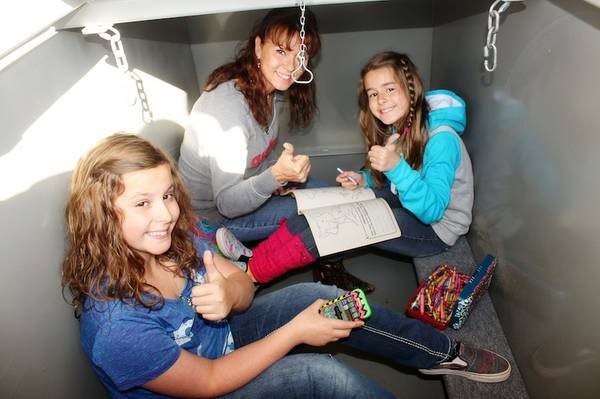
Make “storm drills” a game. Practice getting to the shelter in under 60 seconds. Let them keep a “comfort item”—a favorite stuffed animal or a book—inside the shelter. Explain the science of the storm in a way that empowers them. Knowledge is the best antidote to fear.
For the Pets
Pets often sense the pressure drop before we do. They may hide or become aggressive.
-
Leash them early: Don’t wait for the warning to find the cat.
-
Crate them: If possible, keep pets in a travel crate inside the shelter to prevent them from bolting if the structure is damaged.
-
Microchips: Ensure your pets are microchipped and that your contact information is up to date.
Leveraging Technology: Your Digital Lookout
We live in the golden age of meteorology. Oklahoma is home to the National Weather Center, and our local news teams are the best in the world.
-
Radar Apps: Use apps like RadarScope or Carrot Weather for high-resolution data.
-
Social Media: Follow local meteorologists on X (formerly Twitter) for “now-casting” updates. However, beware of “weather enthusiasts” who post alarmist or fake maps. Stick to the professionals.
-
Wireless Emergency Alerts (WEA): Ensure these are enabled on your phone. They will override your silent settings to alert you of a life-threatening warning.
The Immediate Aftermath: The “Second Hazard” Phase
The danger doesn’t end when the wind stops. In fact, many injuries occur in the hour following a tornado.
-
Gas Leaks: If you smell gas, do not strike a match or use a light switch. Get everyone away from the house immediately.
-
Downed Power Lines: Treat every wire as if it is live. In Oklahoma, water on the ground can conduct electricity from a line half a block away.
-
Structural Instability: Be extremely careful when entering damaged buildings. Roofs can collapse long after the storm has passed.
-
The “Check-In”: Once you are safe, use social media or the Red Cross “Safe and Well” site to let people know you are okay. This keeps the phone lines open for emergencies.
Why Professional Protection is a Non-Negotiable
You might ask yourself, “Do I really need a professional storm shelter?”
Think of it this way: You pay for car insurance and health insurance, hoping you never have to use them. A storm shelter is “life insurance” for the most literal sense of the word. In Oklahoma, we have seen homes leveled to the foundation. In those scenarios, an interior closet is simply not enough.
Our team at Oklahoma Shelters has spent years studying the impact of these storms. We don’t just sell boxes; we provide a fortress for your family. From the thickness of the steel to the way we anchor the units into the reinforced concrete, every detail is a matter of life and death.
Resilience: The Oklahoma Spirit
There is something unique about the people of this state. We are a community that helps a neighbor clear debris before we even check our own fences. We are resilient because we have to be.
However, resilience is built on the foundation of preparation. By following these safety tips and taking the proactive step of installing a certified shelter, you aren’t just surviving; you are thriving in the heart of Tornado Alley.
Don’t let another spring season pass with that nagging “what if” in the back of your mind. You can’t stop the wind, but you can certainly decide how you are going to face it.
Ready to secure your family’s future?
At Oklahoma Shelters, we provide the highest quality underground and above-ground shelters in the state. We offer free consultations to help you determine the best fit for your home and budget.
-
Contact us for a quote: sales@oklahomashelters.net
-
Call our expert team: 405-367-7901
-
Visit our showroom: See the quality of our engineering for yourself.
Stay weather-aware, stay prepared, and most importantly, stay safe. The next time the sky turns that familiar shade of green, you’ll know exactly what to do.