Surviving a Lightning Strike: Is It Possible?
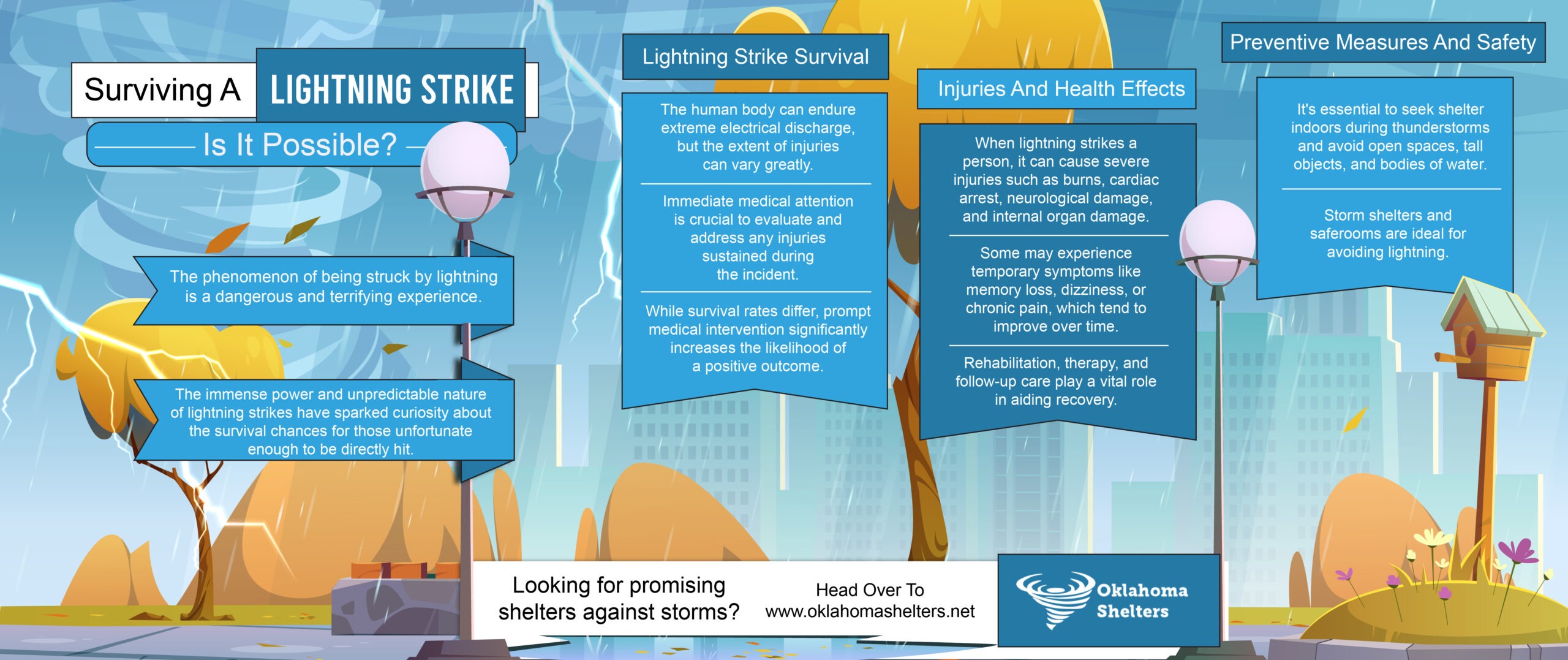
The phenomenon of being struck by lightning is a dangerous and terrifying experience. For residents in storm-prone areas like Oklahoma, understanding the reality of lightning strikes is more than just a curiosity—it is a vital part of emergency preparedness. While the power of a lightning bolt is immense, survival is not only possible but actually quite common with the right intervention.
Lightning Strike Survival: The Reality
The human body can endure extreme electrical discharge, but the extent of injuries can vary greatly. A single bolt of lightning can contain up to one billion volts of electricity and reach temperatures of 50,000 degrees Fahrenheit—five times hotter than the surface of the sun. Despite this overwhelming force, about 90% of people struck by lightning survive.
Survival often depends on how the lightning reaches the body. A direct strike is the most dangerous, but many people are injured through “side flashes” or ground currents. Regardless of the type of strike, immediate medical attention is crucial to evaluate and address any injuries sustained during the incident. While survival rates differ based on environmental factors and proximity to medical care, prompt medical intervention significantly increases the likelihood of a positive outcome.
Immediate Injuries and Health Effects
When lightning strikes a person, it can cause severe injuries such as burns, cardiac arrest, neurological damage, and internal organ damage. The electricity travels through the body in milliseconds, often affecting the systems that rely on natural electrical impulses, such as the heart and the nervous system.
Cardiovascular Impact
The most immediate threat to life is cardiac arrest. The massive electrical surge can essentially “short-circuit” the heart’s natural rhythm. If the heart stops, the victim requires immediate CPR and the use of an Automated External Defibrillator (AED) if available. Contrary to popular myths, it is perfectly safe to touch a lightning victim; they do not retain an electrical charge.
Neurological and Internal Damage
The nervous system is highly sensitive to electrical current. Survivors often face neurological damage that can manifest as:
-
Seizures
-
Loss of consciousness
-
Temporary paralysis (specifically keraunoparalysis, which often affects the legs)
-
Brain injury similar to a severe concussion
Internal organ damage may also occur as the current passes through the body, potentially affecting the lungs or kidneys.
Physical Burns and “Lichtenberg Figures”
Lightning can cause deep internal burns as well as external skin injuries. A unique side effect of a strike is the appearance of Lichtenberg figures. These are fern-like or branch-like patterns that appear on the skin due to the rupture of capillaries under the surface. While they are a striking visual reminder of the incident, they typically fade within a few days.
Long-Term Recovery and Rehabilitation
Survival is only the first step. Many survivors face a “new normal” characterized by chronic health challenges. Some may experience temporary symptoms like memory loss, dizziness, or chronic pain, which tend to improve over time. However, for others, the effects are lifelong.
Cognitive and Emotional Challenges
Rehabilitation, therapy, and follow-up care play a vital role in aiding recovery. Common long-term effects include:
-
Memory Deficits: Difficulty forming new memories or recalling past events.
-
PTSD and Anxiety: Fear of storms or loud noises is common among survivors.
-
Personality Changes: Irritability or mood swings due to brain trauma.
-
Chronic Pain: Ongoing nerve pain or “pins and needles” sensations in the extremities.
Ongoing support from medical professionals and survivor networks is essential for navigating these complex health issues.
How to Protect Yourself: Lightning Safety Tips
Prevention is always better than recovery. It is essential to seek shelter indoors during thunderstorms and avoid open spaces, tall objects, and bodies of water.
Outdoor Safety Rules
If you are caught outside during a storm:
-
Avoid Tall Objects: Do not stand under isolated trees or near utility poles.
-
Get Out of the Water: Immediately leave pools, lakes, or ponds.
-
Don’t Be the Tallest Point: If you are in an open field, seek a low spot but never lie flat on the ground. Squat low with your feet together to minimize your contact with the ground.
-
Discard Metal Items: Put down golf clubs, fishing rods, or umbrellas.
Indoor Safety Rules
Being indoors is safer, but not entirely risk-free unless you are in a protected structure. While inside:
-
Stay Away from Windows: Lightning can shatter glass or travel through metal frames.
-
Avoid Plumbing: Do not shower, wash dishes, or use sinks during a storm.
-
Unplug Electronics: High-voltage surges can travel through wiring and destroy appliances or injure users.
-
Avoid Corded Phones: Use cell phones or cordless phones instead.
The Ultimate Protection: Storm Shelters and Saferooms
The immense power and unpredictable nature of lightning strikes have sparked curiosity about the survival chances for those unfortunate enough to be directly hit. While statistics are favorable for survival, the physical and emotional toll is immense. The best way to ensure your family’s safety is to have a dedicated, grounded space to wait out the storm.
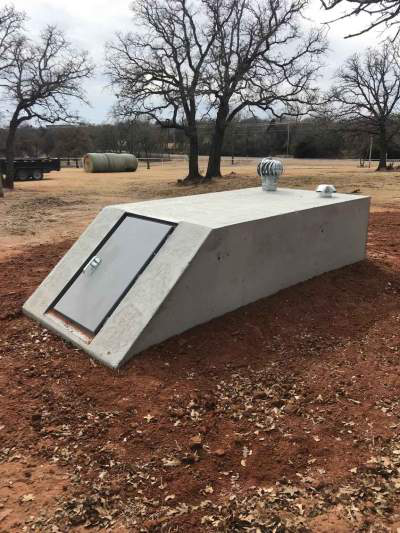
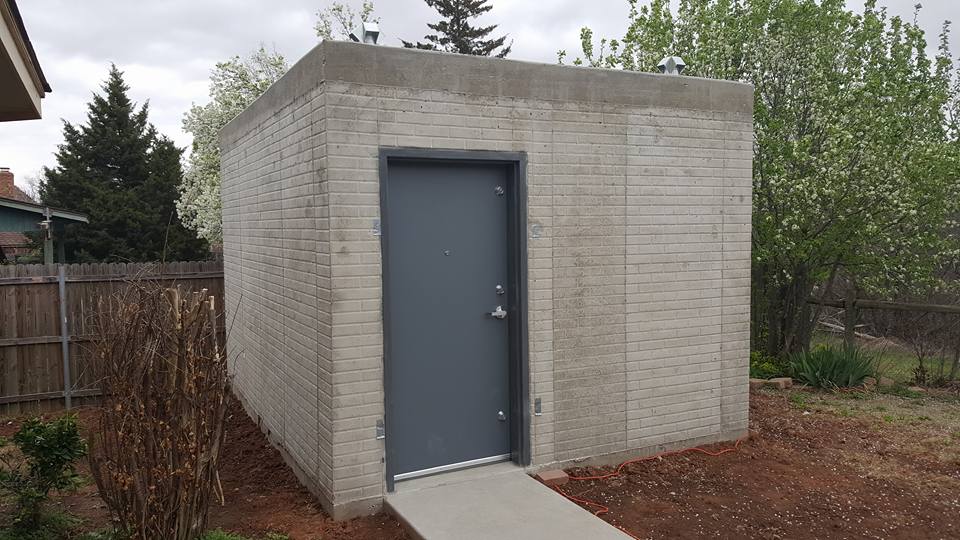
Storm shelters and saferooms are ideal for avoiding lightning. Unlike standard residential rooms, professional shelters are engineered to withstand the extreme forces of Oklahoma weather. They provide a “Faraday cage” effect in many instances, where the metal reinforcement or structure guides electricity safely into the ground, away from the occupants.
In Oklahoma, where severe thunderstorms and tornadoes are a regular occurrence, a storm shelter is more than a luxury—it is a necessity. These structures provide peace of mind, knowing that even if a direct strike occurs on your property, your family is shielded by reinforced steel or high-density concrete.
Why Choose Oklahoma Shelters?
Looking for promising shelters against storms? Oklahoma Shelters provides industry-leading protection for families across the state. Our saferooms and underground shelters are designed to exceed FEMA standards, ensuring that you are protected not just from high winds, but from the dangerous electrical discharge of Oklahoma’s most violent storms.
Whether you need an above-ground saferoom for easy access or an underground garage shelter to save space, we have the expertise to help you stay safe. Don’t leave your survival to chance.