Living in Oklahoma City means living with the constant reality of severe weather. Tornadoes are a part of life here. To stay safe, many homeowners choose to install a storm shelter. If you are looking to protect your family, Oklahoma Shelters provides expert installation across the entire state.
One of the most common questions homeowners ask is: “Do I need a permit for a storm shelter in OKC?”
The short answer is yes. Oklahoma City requires a building permit for any storm shelter or safe room installation. This guide explains why that permit is necessary and walks you through the step-by-step process to get one.
Why Do You Need a Storm Shelter Permit?
You might think adding a shelter to your own property shouldn’t require government paperwork. However, the permitting process exists for your protection.
First Responder Safety
This is the most critical reason for a permit. When you get a permit, your shelter is logged into a database. If a major tornado hits your neighborhood and debris covers your shelter exit, first responders know where to look for you. Without this record, you could be trapped underground with no one knowing you are there.
Structural Integrity
Oklahoma City building codes ensure that your shelter is installed correctly. A permit requires an inspection. This ensures the unit meets FEMA standards for wind resistance and structural load.
Property Value and Insurance
When you sell your home, a permitted shelter adds value. Most home buyers will want to see proof that the shelter was installed legally and safely. Additionally, some insurance companies require proof of a permit to cover the shelter or offer discounts on your homeowners’ policy.
How to Get a Storm Shelter Permit in OKC: Step-by-Step
The process in Oklahoma City is straightforward. Follow these steps to ensure your installation is legal and safe.
1. Choose Your Shelter Type
Before applying, you need to know what you are installing. Oklahoma Shelters offers several options:
-
Underground Garage Shelters: These save space by being installed beneath your garage floor.
-
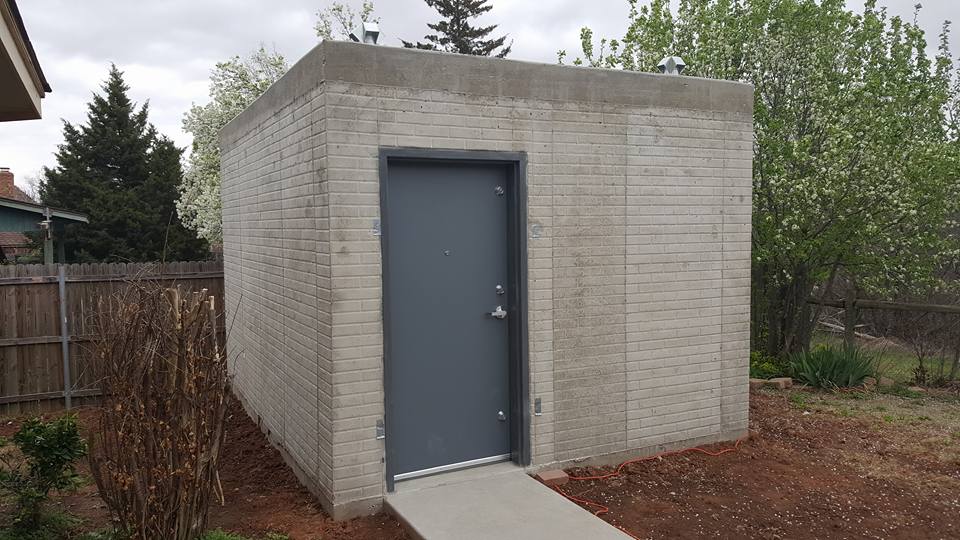
Above-Ground Safe Rooms: Ideal for those with mobility issues or homes on concrete slabs.
-
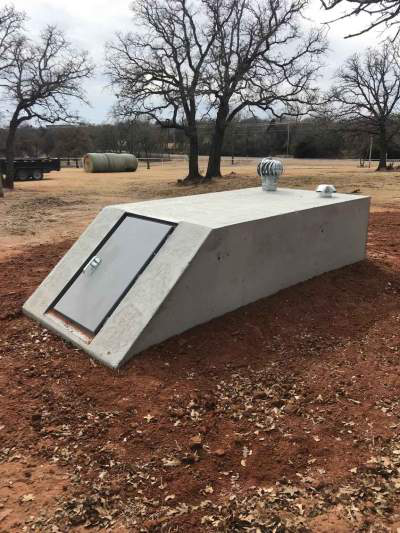
Underground Concrete Shelters: Traditional outdoor shelters buried in the yard.
View the different types of storm shelters to decide which fits your property.
2. Gather Your Documentation
To apply for a permit, you will need:
-
A completed building permit application.
-
A site plan showing where the shelter will be placed on your property.
-
The manufacturer’s specifications (Oklahoma Shelters provides these).
-
The engineer’s seal or certification showing the shelter meets FEMA P-361 standards.
3. Submit Your Application
You can submit your application to the City of Oklahoma City Development Services Department. You can do this in person at the Developmental Services center downtown or through their online portal.
4. Pay the Permit Fee
There is a small fee for a residential storm shelter permit. As of recent updates, the cost is typically around $50 to $75, but you should check the current City of OKC fee schedule for exact pricing.
5. Schedule Your Inspection
Once the shelter is installed by the team at Oklahoma Shelters, you must schedule an inspection. A city official will come to your home to verify that the installation matches the approved plans and meets safety codes.
6. Register Your Shelter
After the permit is finalized, ensure your shelter is registered with the Oklahoma City 911 registry. This is the final step in making sure emergency crews can find you after a storm.
Exploring Different Shelter Options
Not every property is the same. The type of shelter you choose depends on your soil, your home’s layout, and your family’s needs.
Underground Garage Shelters
These are the most popular choice for urban OKC homes. They stay completely out of the way until you need them. You can still park your car over them. They are made of high-grade steel and are reinforced to handle the weight of a vehicle.
Above-Ground Safe Rooms
For families with elderly members or those who use wheelchairs, safe rooms are the best option. These are bolted to the concrete slab of your home or garage. They are tested to withstand EF5 tornado winds. Because they are at ground level, there are no stairs to climb, making entry fast and easy.
Outdoor Concrete Shelters
If you have a large yard, an outdoor concrete shelter is a classic choice. These are extremely durable and can often hold larger groups of people than indoor models.
Why Choose Oklahoma Shelters?
Oklahoma Shelters is located in Oklahoma City and services the entire state. They specialize in high-quality, FEMA-approved installations.
Local Expertise
The team understands Oklahoma’s unique soil conditions. Whether you are dealing with red clay or rocky terrain, they know how to secure a shelter so it stays put and remains dry.
Quality Construction
All shelters provided by Oklahoma Shelters meet or exceed FEMA 320 and 361 standards. This means they have been tested against 250 mph wind gusts and debris impact.
Professional Installation
Installation is usually completed in just a few hours. The crews handle the heavy lifting, ensuring the unit is level and secure. They also provide the documentation you need for your city permit.
Maintaining Your Storm Shelter
Once your shelter is permitted and installed, you should keep it ready for use.
-
Keep it Clean: Sweep out dirt and cobwebs regularly.
-
Check the Seals: Ensure the door seals are tight and the hinges are lubricated.
-
Stock Supplies: Keep a “go-bag” inside. This should include water, a first-aid kit, a battery-powered radio, and flashlights.
-
Test the Lock: Make sure the door opens and closes easily from both the inside and outside.
Frequently Asked Questions About OKC Storm Shelters
Can I install my own storm shelter?
While some homeowners try a DIY approach, it is not recommended. Professional installation ensures the shelter is properly anchored. If a shelter is not anchored correctly, it can be buoyed out of the ground by heavy rain or shifted by high winds.
How long does the permit process take?
In Oklahoma City, residential permits are often processed within a few business days. During peak tornado season (March through June), the wait times might be slightly longer due to high demand.
Is a storm shelter tax-exempt in Oklahoma?
In many cases, the value added by a storm shelter is exempt from ad valorem taxes in Oklahoma. This means your property taxes won’t necessarily go up just because you are staying safe.
Do I need a permit if I live outside OKC city limits?
Requirements vary by municipality. Cities like Edmond, Norman, and Moore have their own specific rules. If you live in an unincorporated area, you may not need a building permit, but you should still register your shelter with the county sheriff’s office for safety.
Finding the Right Spot for Your Shelter
When Oklahoma Shelters arrives for a consultation, they help you find the best location.
-
For Garage Shelters: The unit needs to be placed where it won’t interfere with structural footings.
-
For Outdoor Shelters: It should be close enough to the house for quick access but far enough away that the house falling won’t block the door.
-
For Safe Rooms: These are often placed in the garage or a closet area on the ground floor.
Final Steps for Homeowners
Don’t wait for a tornado warning to think about your safety. The peace of mind that comes with a permitted, professionally installed shelter is invaluable.
-
Visit Oklahoma Shelters to view your options.
-
Contact the OKC Development Services Department to start your permit application.
-
Schedule your installation.
-
Register your shelter location with 911 services.
Oklahoma weather is unpredictable. Having a plan and a safe place to go is the best way to protect your family.
External Resources
-
City of Oklahoma City Official Website: Link to the “Building Permits” or “Development Services” page so readers can find the exact forms.
-
FEMA (Federal Emergency Management Agency): Link to their safe room standards (FEMA P-361) to provide authority on safety requirements.
-
National Weather Service (NWS): Link to the Norman, OK office for local weather safety statistics and tornado history.