If you have lived in Oklahoma for any length of time, you know the sound. It isn’t just the wind; it’s that low, freight-train rumble that makes the hair on your arms stand up. I’ve lived through the 1999 Moore tornado and the 2013 outbreaks. I can tell you from experience: the moment the sirens start wailing is the absolute worst time to find out your storm shelter door is rusted shut or your emergency supplies have expired.
Owning a storm shelter is a massive first step toward safety. It provides that psychological anchor when the sky turns that eerie, bruised green. But a shelter isn’t a “set it and forget it” tool. It is a piece of life-saving equipment. Just like you wouldn’t trust a car that hasn’t had an oil change in five years, you shouldn’t trust a neglected shelter.
As someone who has spent more than a few hours huddled underground with my family and a nervous dog, I’ve learned the hard way what matters. Maintaining your safe haven doesn’t have to be a chore. With a few simple hacks, you can ensure that your shelter is always ready to protect what matters most.
The “First of March” Tradition: Your Storm Shelter Inspection Checklist
In Oklahoma, March is the threshold. It is the month when “tornado season” stops being a theoretical concept and starts being a daily reality. I always tell my neighbors to make the first Saturday of March their “Shelter Day.”
Why then? Because you want to find problems while the sun is shining and the birds are chirping. If you wait until a Watch is issued, you’re already too late.
External Inspection: The Perimeter Check
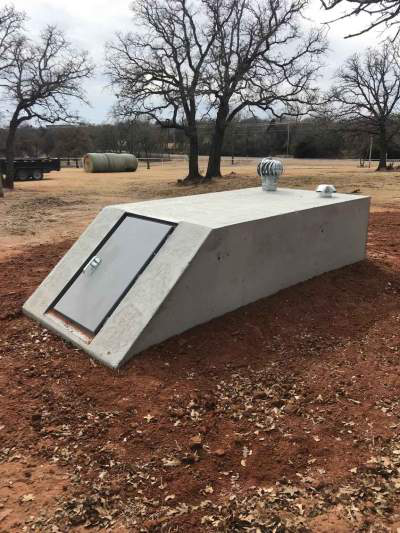
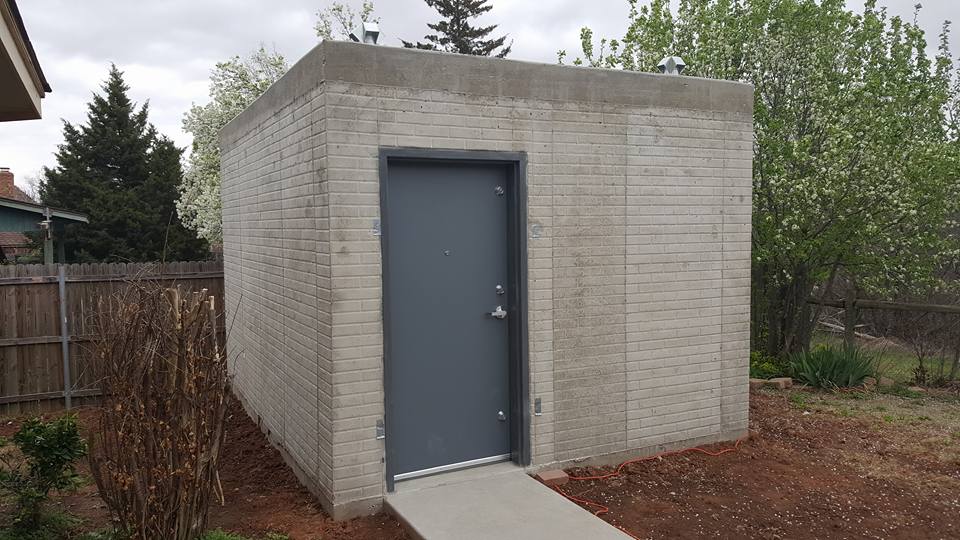
Start outside. Whether you have an underground garage unit, an outdoor concrete cellar, or an above-ground safe room, the exterior is your first line of defense.
-
Debris Clearing: Remove any piles of leaves, firewood, or lawn furniture near the entrance. In a storm, these become projectiles that can block your exit.
-
Drainage Assessment: Look for standing water around the base. If water is pooling near the door or the vents, you need to regrade the dirt. Water is the enemy of steel and concrete alike.
-
Ventilation Clearance: Ensure that spiders haven’t spun thick webs or that wasps haven’t built nests in the air vents. You need clear airflow to breathe comfortably when the door is sealed.
The Door and Hinge Test
The door is the most complex part of your shelter. It’s also the most likely to fail if ignored. A door that sticks during a drill will jam during a disaster.
-
The Swing Test: Open the door all the way and close it. Does it drag? Do you hear grinding?
-
The Latch Logic: Check the three-point locking system. If those bolts don’t slide home smoothly, you won’t be able to seal yourself in properly.
-
Seal Integrity: Look at the rubber weather stripping. If it’s cracked or brittle, it won’t keep the dust and water out.
Maintenance Hack #1: The Silicone Secret for Door Longevity
Many people grab a can of standard WD-40 when they hear a squeak. Here is a pro tip: use Silicone Lubricant or White Lithium Grease instead.
Standard lubricants can actually attract dust and grit over time. In a garage or an outdoor setting, that grit turns into a grinding paste that wears down your hinges. Silicone spray creates a dry, slippery barrier that repels Oklahoma’s famous red dust.
Apply it to:
-
The main hinges.
-
The sliding tracks of a garage unit.
-
The interior locking pins.
Do this once in the spring and once in the fall. It takes thirty seconds but can save you from a stuck door when every second counts.
Maintenance Hack #2: Managing the “Underground Humidity”
If you have an underground shelter, you are fighting a constant battle with humidity. Dampness leads to mold, and mold leads to respiratory issues. Nobody wants to spend two hours in a small room that smells like a damp basement.
The Charcoal Hack
Want an easy, cheap way to keep the air fresh? Buy a large bag of activated charcoal (the kind used for grills, but without the “easy light” chemicals). Poke a few holes in the bag and slide it under a bench in the shelter. Charcoal is a natural dehumidifier and odor absorber. It will pull moisture and staleness out of the air for months.
The DampRid Solution
For more aggressive moisture control, use DampRid buckets. These use calcium chloride crystals to pull water from the air. Just remember to check them every few months. Once the bucket is full of water, it’s time to replace it.
Maintenance Hack #3: Lighting the Way Without Power
When a tornado hits, the grid usually goes with it. Your shelter will be pitch black. Relying on your smartphone flashlight is a mistake—you need that battery for communication.
The Magnetic LED Hack
Most modern storm shelters are made of steel. Take advantage of that! Purchase several magnetic, battery-powered LED “puck” lights. Stick them to the ceiling and walls.
This provides hands-free, overhead lighting. If you need to move to a different corner of the shelter, you can just pop a light off the wall and take it with you.
The Glow-Tape Trick
Apply a few strips of “glow-in-the-dark” tape to the edges of the stairs and around the door handle. If the lights go out suddenly, you’ll still be able to find the exit and avoid a trip-and-fall hazard on the stairs.
Maintaining Your “Life-Support” Supplies
A shelter is just a box until you put your supplies in it. But those supplies have a shelf life. How often do you check your “Go-Bag”?
The Rotating Battery Strategy
Batteries leak. It’s a fact of life. If you leave AA batteries inside your emergency radio for three years, they will likely corrode and ruin the device.
The Hack: Keep your batteries in a sealed Ziploc bag next to the device, not inside it. Every year on “Shelter Day,” swap the batteries in your bag for the ones in your TV remote or Xbox controller. Use the “old” batteries for daily life and put fresh ones in the shelter bag.
The Shoe Rule
This is an old Oklahoman secret. Keep an old pair of sneakers or work boots for every family member inside the shelter. Why? Because if a tornado hits your house, you will be walking out into a field of broken glass, nails, and splintered wood. You do not want to be barefoot or in flip-flops in a disaster zone.
Essential Supply Checklist:
-
Water: One gallon per person. Replace the bottles every six months to avoid that “plastic” taste.
-
First Aid: Ensure the antiseptic wipes haven’t dried out.
-
Whistle: If you are trapped by debris, a whistle is much louder and more sustainable than screaming for help.
-
Comfort Items: If you have kids, keep a deck of cards or a coloring book in the shelter. Keeping them occupied reduces the stress for everyone.
Protecting the Structure: Rust and Corrosion Prevention
If you have a steel shelter, rust is your only real enemy. Even with high-quality powder coating, scratches can happen during installation or while moving items in and out.
The Touch-Up Hack
Keep a small bottle of automotive touch-up paint or even matching nail polish on hand. If you see a scratch that exposes bare metal, seal it immediately. If rust has already started, use a wire brush to scrub it down to the shiny metal, apply a rust-inhibitor primer, and then paint over it.
For concrete shelters, look for “efflorescence”—that white, powdery substance that appears on walls. It’s a sign of moisture moving through the concrete. While it’s usually harmless, it means you should check your exterior drainage.
Cleanliness is Next to Safety
Spiders love storm shelters. They are dark, quiet, and undisturbed. While most Oklahoma spiders are harmless, nobody wants a Brown Recluse or a Black Widow as a shelter-mate.
The Peppermint Hack
Spiders and many insects hate the smell of peppermint. Mix some peppermint essential oil with water in a spray bottle and mist the corners and vents of your shelter. Not only does it act as a natural deterrent, but it also makes the shelter smell significantly better than the standard “musty dirt” aroma.
Communication: Testing the Signal
Before a storm hits, go into your Oklahoma shelter, close the door, and look at your phone. Do you have bars?
Many steel and concrete shelters act as “Faraday cages,” blocking cellular signals. If you don’t have a signal, you won’t get those life-saving emergency alerts.
The Solution: 1. Weather Radio: This is non-negotiable. A battery-powered NOAA Weather Radio uses different frequencies that can often penetrate shelters better than cell signals. 2. Signal Boosters: If you are building a new home, you can have a signal-repeater cable installed. 3. The “Check-In” Plan: Tell a neighbor or a family member out of state: “If the sirens go off, I am in my shelter. I will text you as soon as I am out.” If they don’t hear from you, they know exactly where to send help.
Training Your “Shelter Muscle Memory”
Maintenance isn’t just about the physical structure; it’s about the people inside it. Have you ever tried to get a 100-pound dog into an underground shelter during a thunderstorm? It is not fun.
The Drill Hack
Practice your “shelter entry” twice a year.
-
The Pets: Treat your shelter like a fun place for your pets. Occasionally give them treats inside the shelter so they don’t associate it with fear.
-
The Kids: Make it a game. See how fast the family can go from the living room to the “fort” (the shelter).
-
The Night Drill: Try doing it once with the lights off. You’d be surprised how much harder it is to find the latch when you can’t see.
Why Professional Inspection Matters
Sometimes, you need a second pair of eyes. If you’ve moved into a home that already had a shelter, or if your shelter has been through a major flood or earthquake, it’s worth calling in the experts.
At Oklahoma Shelters, we don’t just install; we understand the lifecycle of these structures. We can check the anchoring bolts, the integrity of the welds, and the ventilation flow to ensure your unit still meets FEMA and ICC-500 standards.
Final Thoughts from a Life-Long Oklahoman
A storm shelter is the one thing you buy hoping you never have to use it. But in the 405 or the 918, “never” isn’t an option. We are going to have storms. We are going to hear those sirens.
Taking an hour twice a year to maintain your shelter is a small price to pay for the absolute certainty that when the “big one” comes, your door will open, your lights will turn on, and your family will be safe.
Don’t wait until the clouds start rotating to realize you forgot to change the batteries. Contact Oklahoma Shelters today if you have questions about your unit or if you are ready to upgrade to a modern, low-maintenance safe room. We’ve been through the storms, and we’re here to make sure you get through them, too.