Living in Oklahoma means understanding that severe weather and tornados are not just a possibility, but a seasonal reality. When the sky turns a certain shade of green and the sirens begin to wail, your safety depends entirely on the preparation you did months in advance. A storm shelter is a powerful tool, but a shelter without a plan is only half a solution.
To protect your family, home, and possessions, you must move beyond simply having a safe space. You need a comprehensive, “Storm Ready” strategy. This guide breaks down the essential components of an effective tornado shelter plan: maintenance, procedures, shelter selection, and communication.
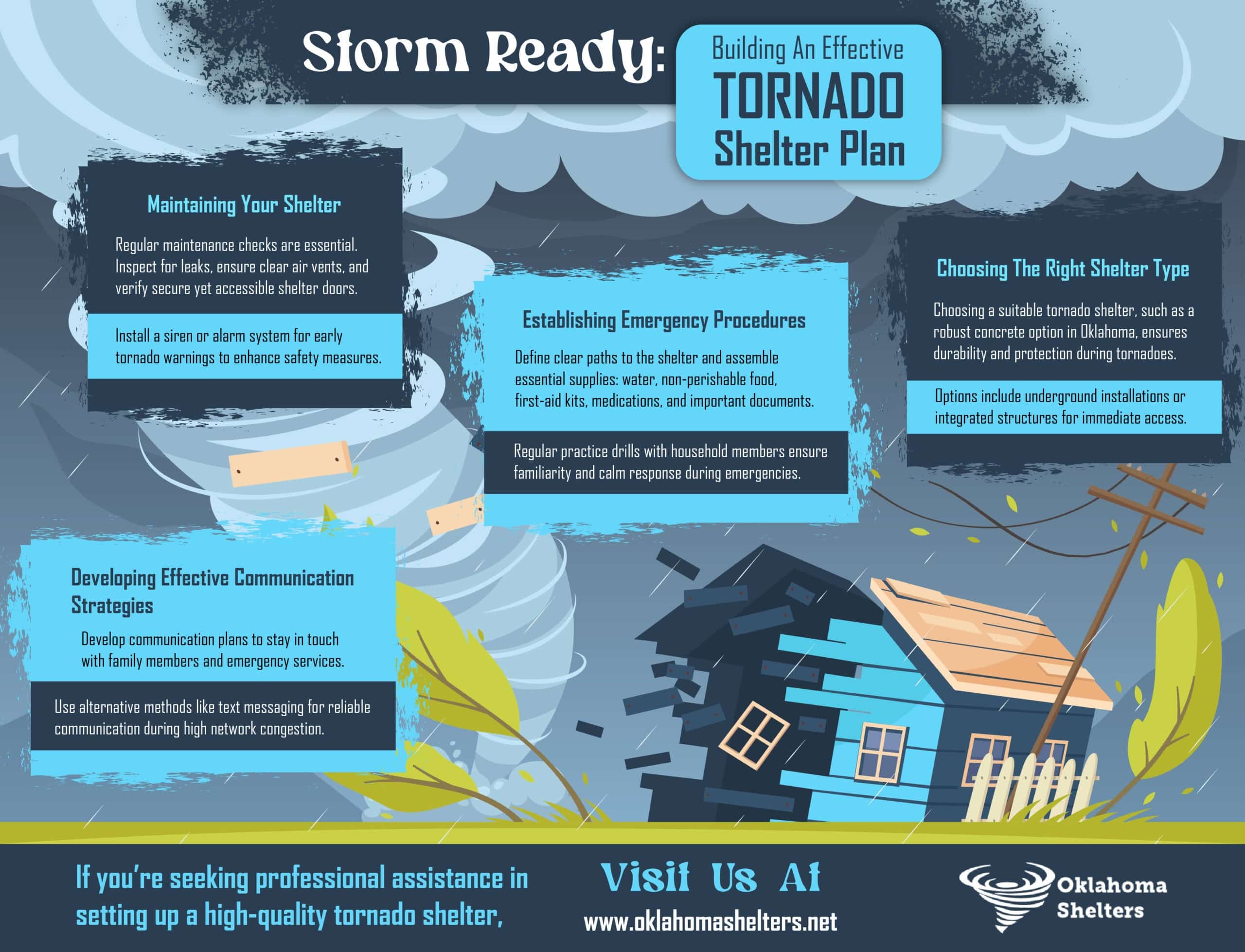
1. Maintaining Your Tornado Shelter for Peak Performance
A storm shelter is a specialized piece of safety equipment. Like any high-performance tool, it requires regular upkeep to ensure it functions when you need it most. Neglected shelters can become damp, infested with pests, or structurally compromised.
Critical Maintenance Checks
Regular maintenance checks should be conducted at least once every season.
-
Inspect for Leaks: Oklahoma’s heavy rains and shifting clay soil can put pressure on underground units. Look for damp walls, standing water, or mineral deposits (efflorescence).
-
Clear the Air Vents: Spiders, wasps, and birds often find shelter vents to be perfect nesting spots. Ensure all vents are clear to maintain a constant supply of fresh air.
-
Verify Door Functionality: Your door is your primary barrier against debris. Ensure the hinges move smoothly and the latches engage securely. Apply a silicone-based lubricant to moving parts annually.
-
Corrosion Control: If you have a steel shelter or a concrete unit with metal components, check for rust. For underground garage shelters, look for signs of “floating” or shifting that might indicate a compromised seal.
Enhancing Safety with Alarm Systems
To provide an extra layer of protection, consider installing a dedicated siren or alarm system within your home. These systems can provide early tornado warnings that are louder and more localized than city-wide sirens, ensuring you have the maximum amount of time to reach your safe haven.
2. Establishing Comprehensive Emergency Procedures
In the heat of a tornado warning, adrenaline can make it difficult to think clearly. Establishing and practicing emergency procedures ensures that your household responds with calm efficiency.
Define Clear Paths and Access
Minutes count during a tornado. Identify the fastest, safest path to your shelter from every room in the house.
-
Keep Paths Clear: Ensure that hallways and the area around the shelter door (especially in garages) are not blocked by clutter, bikes, or boxes.
-
Light the Way: Keep high-powered LED flashlights near your shelter entrance and along the path.
Assemble Your Essential Supplies
Your shelter should be stocked with enough supplies to last at least 72 hours. While many think of immediate survival, you must also prepare for the possibility of being stuck if debris blocks your exit.
-
Hydration: One gallon of water per person per day.
-
Nutrition: Non-perishable, shelf-stable food (and a manual can opener).
-
Health: A fully stocked first-aid kit and a two-week supply of essential medications.
-
Documents: Waterproof bags containing identification, insurance papers, deeds, and emergency contact lists.
The Power of Practice Drills
Regular practice drills are essential for families with children or seniors. Drills help build “muscle memory.” Practice reaching the shelter in the dark and ensure everyone knows how to operate the door locks. This reduces panic when a real emergency occurs.
3. Choosing the Right Shelter Type for Oklahoma
Selecting a suitable shelter is the foundation of your plan. In Oklahoma, the geography and weather patterns demand robust solutions. At Oklahoma Shelters, we focus on structures that meet or exceed FEMA P-320 and ICC-500 standards.
Concrete Storm Shelters
Concrete is a popular choice due to its extreme durability and natural insulation.
-
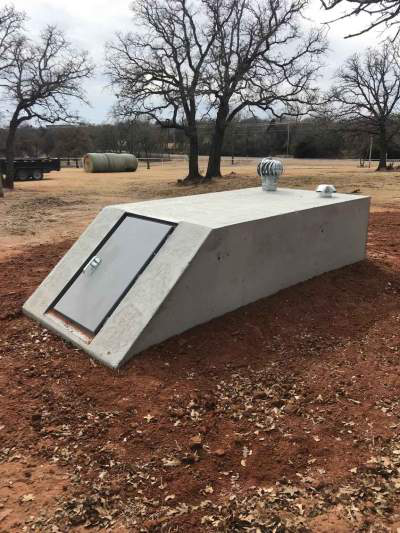
Slope Top Shelters: These traditional backyard units sit partially underground. Their sloped design helps with water runoff and provides increased headroom.
-
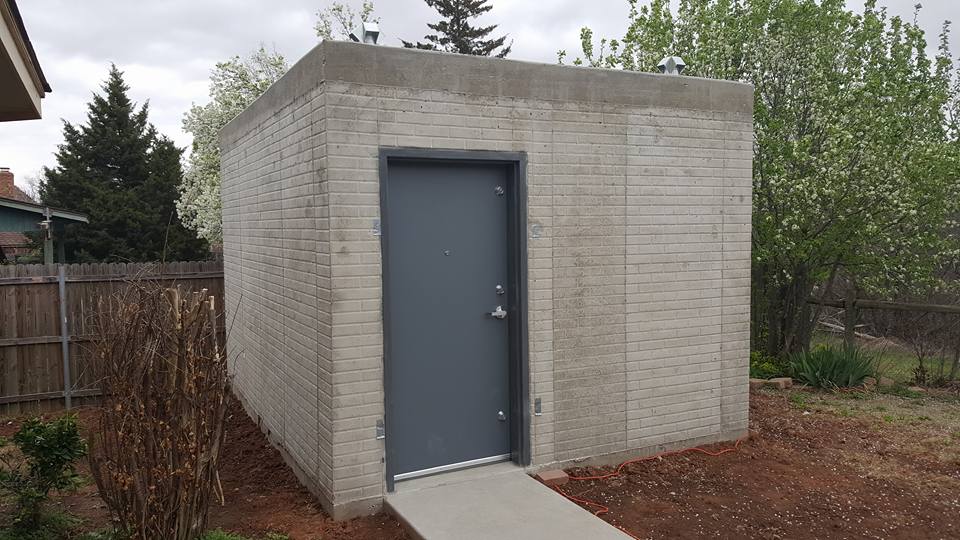
Flat Top Shelters: These sit completely flush with the ground, making them less obtrusive in your landscaping. They are often installed in front or backyards.
Underground Garage Shelters
If you prefer to stay inside during a storm, an integrated garage shelter is a discreet and effective option. These are installed below your garage floor, allowing you to walk directly from your kitchen to your shelter without stepping outside into the wind and rain.
Above-Ground Steel Safe Rooms
For those with limited mobility or who cannot navigate stairs, above-ground steel safe rooms are the best choice. These “robust” rooms are anchored directly into a reinforced concrete slab and are engineered to withstand EF5-force debris impacts.
4. Developing Effective Communication Strategies
Communication often breaks down during a major storm. Power outages and high network congestion can leave you feeling isolated.
Strategies for High Network Congestion
During emergencies, cellular networks are often overwhelmed by thousands of people trying to call at once.
-
Use Text Messaging (SMS): Texts use significantly less bandwidth than voice calls and are more likely to go through when a call won’t.
-
Limit Non-Emergency Use: Save your battery and the network for vital updates.
-
The “10-Second Rule”: If a call fails, wait at least 10 seconds before redialing. Constant redialing contributes to network clogging.
Staying Informed
You must have multiple ways to receive information.
-
NOAA Weather Radios: Opt for a hand-crank or battery-operated model. These provide reliable, real-time alerts directly from the National Weather Service.
-
Family Contact Plan: Designate an out-of-state relative as a “central contact.” It is often easier to call long-distance than to call across town during a local disaster.
Partner with the Professionals
Building a tornado shelter plan is an act of love for your family. It demonstrates a commitment to safety that lasts long after the storm clouds have cleared. By maintaining your shelter, practicing your response, choosing the right structure, and planning your communication, you transform a simple room into a true safe haven.
If you’re seeking professional assistance in setting up a high-quality, FEMA-compliant tornado shelter, we are here to help. Our team can evaluate your property and help you decide which model provides the best protection for your specific needs.
Contact Oklahoma Shelters Today!
Oklahoma Shelters: Your Partner in Severe Weather Preparedness.