What to Avoid During Oklahoma Tornado Warnings
Tornadoes are among nature’s most destructive forces. They can develop rapidly, often leaving residents with only a few minutes to react. In Oklahoma, where severe weather is a part of life, knowing what not to do is just as important as knowing where to hide.
Many common behaviors during a storm are based on myths or outdated information. These mistakes can lead to serious injury or death. At Oklahoma Shelters, we want to ensure every family is equipped with the facts. This article breaks down the most dangerous actions to avoid when a tornado warning is issued in your area.

1. Ignoring Tornado Warnings and Sirens
The most dangerous mistake any resident can make is ignoring a tornado warning. A “warning” differs significantly from a “watch.” A Tornado Watch means conditions are favorable for tornadoes. A Tornado Warning means a tornado has been sighted by a spotter or indicated by weather radar.
The Danger of “Cry Wolf” Syndrome
Sometimes, a tornado warning is issued, and no damage occurs in your specific neighborhood. This can lead to a false sense of security. Some people begin to believe that warnings are “false alarms” and stop taking them seriously.
This is a fatal error. Tornadoes can be highly localized. One street may be completely destroyed while the next remains untouched. Just because you didn’t see the tornado last time does not mean the current threat isn’t real. Every warning must be treated as a life-threatening event.
Relying Only on Outdoor Sirens
Outdoor warning sirens are designed to alert people who are outside. They are not meant to be heard clearly inside a home, especially during a loud thunderstorm. If you ignore your phone alerts or radio because you don’t hear a siren, you are putting yourself at risk.
2. Opening Windows and Doors to “Equalize Pressure”
There is a long-standing myth that opening windows and doors will prevent a house from “exploding” during a tornado. The theory suggests that the low pressure inside a tornado causes the higher pressure inside a house to push outward.
Why This Myth is Dangerous
Scientific research has proven that houses do not explode due to pressure changes. Most structural failures during a tornado occur because wind enters the home and pushes the roof up from the inside.
-
Increased Damage: Opening windows actually allows high-velocity winds to enter the structure. Once the wind is inside, it creates upward pressure on the roof and outward pressure on the walls. This makes it much more likely that your home will be destroyed.
-
Flying Debris: Opening a window or door creates an entry point for flying debris. At 200 mph, even small objects like twigs or pebbles become deadly projectiles.
-
Wasted Time: Every second you spend opening windows is a second you are not in your shelter.
3. Standing Close to Windows to Watch the Storm
Curiosity can be a deadly trait during a tornado. Many people instinctively run to the window when they hear a storm approaching to see if they can spot the funnel cloud.
The Risk of Shattering Glass
Window glass is the weakest part of your home’s exterior. Even if a tornado is miles away, the “inflow” winds can carry debris that shatters glass instantly. If you are standing near a window when it breaks, you will be showered with glass shards moving at extreme speeds.
Limited Visibility
In Oklahoma, many tornadoes are “rain-wrapped.” This means the tornado is hidden behind a curtain of heavy rain and is invisible to the naked eye until it is right on top of you. Additionally, many of our most dangerous storms occur at night. Trying to see a tornado through a window is often impossible and always dangerous.
4. Seeking Shelter Under Highway Overpasses
If you are driving during a tornado warning, you might think a concrete overpass is a safe place to hide. This is a common and very dangerous misconception.
The Wind Tunnel Effect
An overpass can act as a “venturi,” or a wind tunnel. As the tornado’s winds are forced through the narrow space under the bridge, they actually increase in speed. People hiding under overpasses have been blown out from under them by these accelerated winds.
Traffic Hazards
Parking under an overpass creates a massive traffic jam. This prevents emergency vehicles from passing and traps other drivers out in the open, unable to reach a safer location. If you are in a car, your best option is to find a permanent building. If no building is available, stay in your car with your seatbelt on and your head down below the windows.
5. Staying in a Mobile Home
Mobile homes, even those with tie-downs, are not safe during a tornado. The light frame and large surface area of a mobile home make it incredibly easy for the wind to flip or dismantle the structure.
Have a Pre-Planned Destination
If you live in a mobile home, your “avoid” list must include staying put. You should have a pre-arranged agreement with a neighbor who has a permanent home or an underground shelter. When a watch is issued, that is the time to move to your safe location. Do not wait for the warning.
6. Using Elevators During a Warning
If you live or work in a high-rise building, never use the elevator during a tornado warning.
Power Failure Risks
Tornadoes frequently knock out power lines. If the power goes out while you are in the elevator, you will be trapped in a small box during a major disaster. This prevents you from reaching the designated safe area on the lowest floor. Always use the stairs and move to the center-most part of the building.
Protect Your Oklahoma Family with a Professional Safe Room
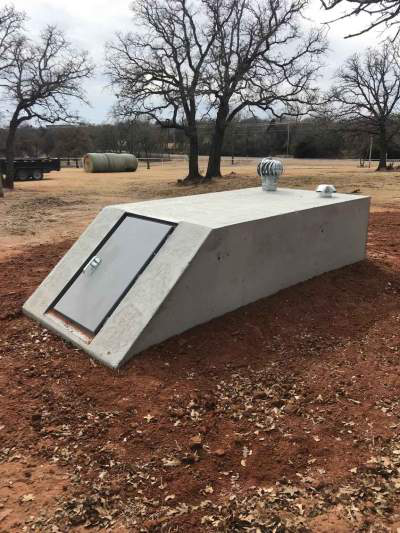
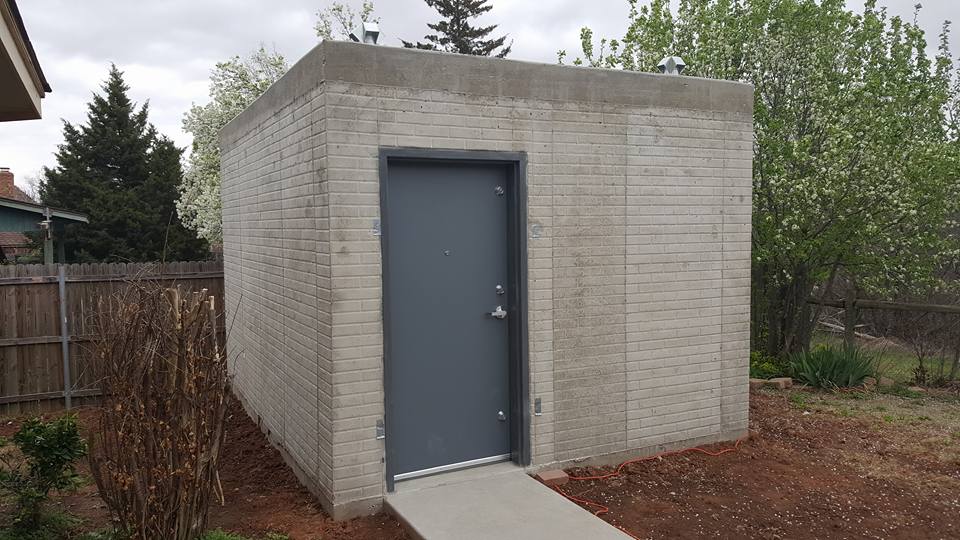
Avoiding these common mistakes will increase your chances of survival. However, the best way to ensure your safety is to have a dedicated, reinforced space to go to. Oklahoma Shelters specializes in the installation of high-quality safe rooms and storm shelters that meet or exceed FEMA safety standards.
Our safe rooms are engineered to withstand the impact of flying debris and the extreme pressures of an EF5 tornado. Unlike a standard room in your house, a professional safe room is anchored to your foundation and built with heavy-gauge steel.
Why Choose Oklahoma Shelters?
-
Proven Safety: Our designs are impact-tested to ensure they can stop a 15-pound 2×4 board traveling at 100 mph.
-
Convenience: We offer various types of shelters, including above-ground safe rooms, underground garage shelters, and outdoor cellars.
-
Expert Installation: Our team provides professional, quick installation across the state of Oklahoma.
Don’t leave your life to chance. Take the necessary steps to prepare your home before the next storm season arrives.
Contact Oklahoma Shelters Today
Oklahoma Shelters Oklahoma’s Leader in Storm Safety Solutions