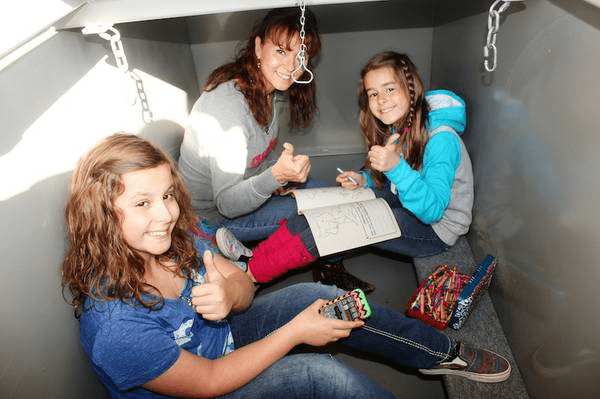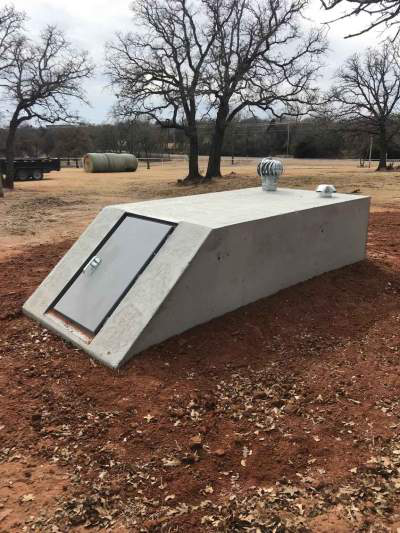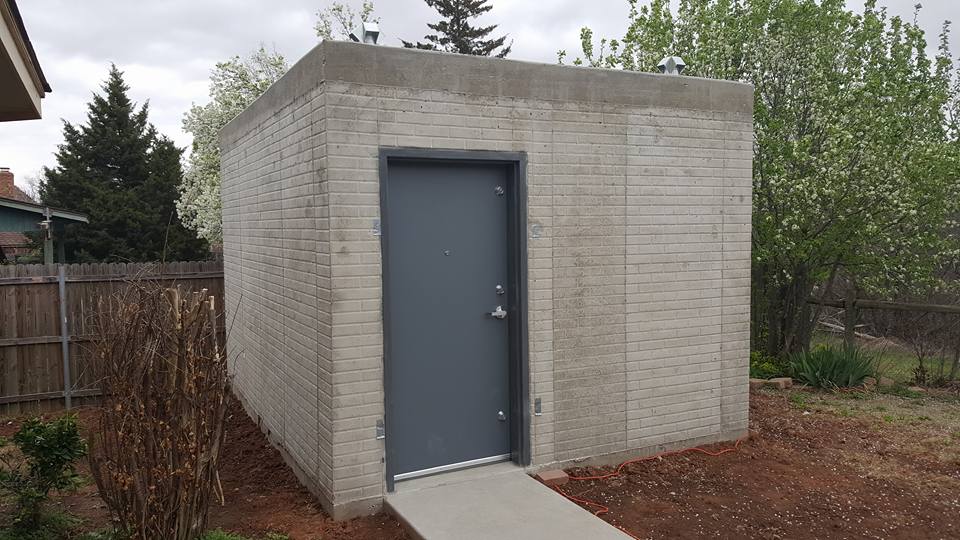
If you have lived in Oklahoma for any length of time, you know the drill. The sky turns a bruised shade of green. The air gets unnervingly still. Then, the local meteorologists start talking about “dry lines” and “PDS warnings.” In this part of the country, the weather isn’t just a topic of conversation. It is a fundamental part of our survival strategy.
I remember the May 1999 outbreak like it was yesterday. The sheer power of the wind is something you never forget. It sounds like a freight train, yes, but it also feels like the very earth is vibrating. That day taught us that “safe spots” in a hallway just aren’t enough when an EF5 is on the prowl. We live in a beautiful state, but we must respect the atmospheric giants that roam our plains.
At Oklahoma Shelters, we don’t just sell steel and concrete. we sell the ability to sleep through a thunderstorm without jumping at every clap of thunder. We are Oklahomans protecting Oklahomans.
The Reality of Tornado Alley in 2026
The climate is shifting, and with it, the traditional “Tornado Alley” seems to be expanding and intensifying. While we still see the classic spring outbreaks, severe weather is now a year-round threat. We’ve seen significant tornadic activity in December and blistering heatwaves followed by ice storms within the same week.
Preparation can no longer be a seasonal chore. It must be a lifestyle. To stay protected, you have to understand the tools at your disposal and the structural requirements of a true sanctuary.
Essential Tornado Preparedness: Beyond the Basics
What does it actually mean to be prepared? It goes beyond having a few flashlights. True preparedness is a multi-layered approach that covers communication, physical safety, and recovery.
The 72-Hour Survival Kit
If a major storm hits your neighborhood, emergency services might not reach you immediately. You need to be self-sufficient. Store these items inside your storm shelter:
-
Hydration: One gallon of water per person, per day.
-
Nutrition: High-calorie, non-perishable foods that don’t require cooking.
-
First Aid: A kit stocked with more than just bandages—include tourniquets and a week’s supply of medications.
-
Sanitation: Personal hygiene items and heavy-duty trash bags.
Communication and Information
When the power goes out, your smartphone is only as good as its remaining battery.
-
NOAA Weather Radio: This is your primary lifeline. It works when cell towers fail.
-
Hard Copy Contacts: Write down phone numbers for family and insurance agents.
-
The “Out-of-Area” Contact: Designate a relative in another state as a central check-in point for your family.
Garage Storm Shelters: The Hero of the Metro
In the Oklahoma City metropolitan area, space is often at a premium. Not everyone has a massive backyard for a standalone cellar. This is why Garage Storm Shelters have become the gold standard for residents in Oklahoma City, Edmond, Moore, and Norman.
Why are these specifically so popular in the metro?
Convenience in the Heat of the Moment
When a siren goes off in Moore or Norman, you don’t want to be running through a deluge of rain or grapefruit-sized hail to get to a backyard pit. An underground garage shelter allows you to step out of your kitchen and into safety without ever leaving the footprint of your home.
Space-Saving Engineering
In Edmond’s suburban developments, backyard utility easements can make traditional digging impossible. Our garage units are installed directly into your existing concrete slab. Once the lid is closed, it sits flush with the floor. You can park your truck right over the top of it. It’s the ultimate “hidden” safety feature.
Maximum Structural Protection
The garage floor is one of the most stable parts of your home. By anchoring a reinforced steel unit into the slab, you are utilizing the weight of the house and the earth to keep you stationary. Whether you are in a historic OKC neighborhood or a new build in Norman, this is the most efficient way to add an EF5-rated safe zone to your property.
Choosing Your Shelter: Above Ground vs. Below Ground
This is the question we hear most often: “Will I be safer underground or in a safe room?”
The Case for Below-Ground Units
There is a psychological comfort in having five feet of earth between you and a 200-mph wind.
-
Pros: Total protection from flying debris; cooler temperatures.
-
Cons: Requires navigating stairs; not ideal for those with mobility issues or severe claustrophobia.
The Case for Above-Ground Safe Rooms in Oklahoma Weather
Modern engineering has proven that a FEMA-certified safe room can survive an EF5 even if the rest of the house is leveled.
-
Pros: Easy access for wheelchairs and the elderly; no risk of flooding; can be installed in closets or garages.
-
Cons: Takes up interior floor space; can feel less “secure” to those who prefer the earth-insulated feel.
You can explore all the types of storm shelters we offer to see which fits your specific home layout.
The Professional Installation Difference
I’ve seen DIY “shelters” that were little more than reinforced closets. In Oklahoma, that is a dangerous gamble. A true storm shelter must meet rigorous standards set by FEMA and the ICC (International Code Council).
Why Certification Matters
A shelter is a life-saving medical device for your home. You wouldn’t use a homemade heart monitor, so why trust a homemade shelter?
-
Impact Testing: At Texas Tech University, they fire 15-lb 2x4s at these units at 100 mph. Our units pass these tests.
-
Ventilation: Proper airflow is critical if you are trapped for several hours.
-
Anchoring: An above-ground safe room is only as strong as the bolts holding it to the slab. We use heavy-duty anchoring systems designed specifically for Oklahoma’s soil and concrete conditions.
Navigating the “Green Sky” Anxiety
There is a mental toll to living in Tornado Alley. “Storm anxiety” is real. I’ve seen kids who start crying the moment a dark cloud appears.
One of the greatest benefits of having an Oklahoma Shelters unit is the peace of mind it provides. When you have a plan, the fear recedes. You move from being a victim of the weather to being a manager of your safety.
Involving the Whole Family
-
Practice Drills: Make it a game for the kids. See who can get to the shelter the fastest.
-
Comfort Items: Keep a few favorite toys or a tablet with movies inside the shelter.
-
Education: Teach children about how the shelter works. Knowledge is the best antidote to fear.
Post-Storm Safety: The Danger Doesn’t End with the Wind
Many injuries occur after the tornado has passed. The “All Clear” doesn’t mean the environment is safe.
-
Downed Power Lines: Never touch a wire, even if it looks “dead.”
-
Gas Leaks: If you smell gas, leave the area immediately and call 911.
-
Debris Hazards: Watch for nails, broken glass, and unstable structures. Always wear sturdy boots when exiting your shelter.
The National Weather Service and FEMA provide excellent resources for post-disaster recovery. We recommend reviewing these annually.
Why Oklahoma Shelters is the Local Choice
We are based right here in Oklahoma. We drink the same coffee, shop at the same grocery stores, and hide in the same storms as you do. We aren’t a national conglomerate that doesn’t understand the difference between Oklahoma red clay and Florida sand.
We understand that a shelter is a significant investment. That’s why we focus on transparency, quality materials, and expert installation. We serve the entire state, ensuring that from Guymon to Idabel, Oklahomans have a safe place to go. You can find more about our story on our about us section.
Economic Benefits of a Storm Shelter
Beyond the obvious safety benefits, there is a financial case for installing a shelter.
-
Property Value: In Oklahoma, a storm shelter is one of the most requested features for homebuyers. It increases your home’s resale value and marketability.
-
Insurance Discounts: Some insurance providers offer discounts for homes with FEMA-certified safe rooms.
-
Peace of Mind: You can’t put a price tag on knowing your family is safe at 2:00 AM when the sirens start.
Article Recap: Your Weather Safety Checklist
-
Get a Certified Shelter: Whether it’s an underground garage unit in Moore or a safe room in Edmond, ensure it is FEMA-rated.
-
Prepare Your Kit: Water, food, first aid, and a NOAA radio are non-negotiable.
-
Know Your Location: Residents in OKC, Edmond, and Norman should consider garage shelters for space-saving protection.
-
Maintain Your Space: Keep your shelter clean and clear of junk. It should be ready to use in 30 seconds.
-
Practice Your Plan: Ensure everyone in the house knows exactly where to go and what to do.
-
Stay Informed: Use multiple ways to get weather alerts—don’t rely on sirens alone.
Don’t Leave Your Family’s Safety to Chance
The Oklahoma sky is unpredictable, but your safety plan shouldn’t be. Join the thousands of your neighbors who have taken the step to secure their future. Whether you need a garage shelter, an outdoor cellar, or an indoor safe room, we have the expertise to protect what matters most.
Get Your Free Storm Shelter Estimate Today! Visit our Types of Storm Shelters page to start your journey toward total protection.