The Importance of a Working Door
Living in Oklahoma means living with severe weather. You know the drill when the sirens sound. You gather your family and head to your storm shelter. It is your safe haven against tornadoes and high winds.
But what if the door won’t open?
A storm shelter is only effective if you can get inside quickly and lock it securely. The most critical components of your shelter are the moving parts. The latches and hinges ensure the door seals tight and opens when danger passes. Neglecting these small parts can lead to big problems during an emergency.
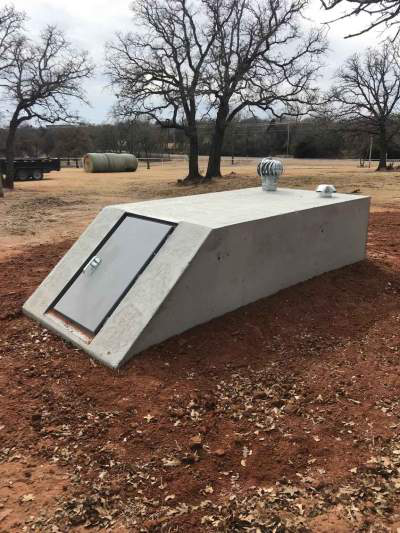
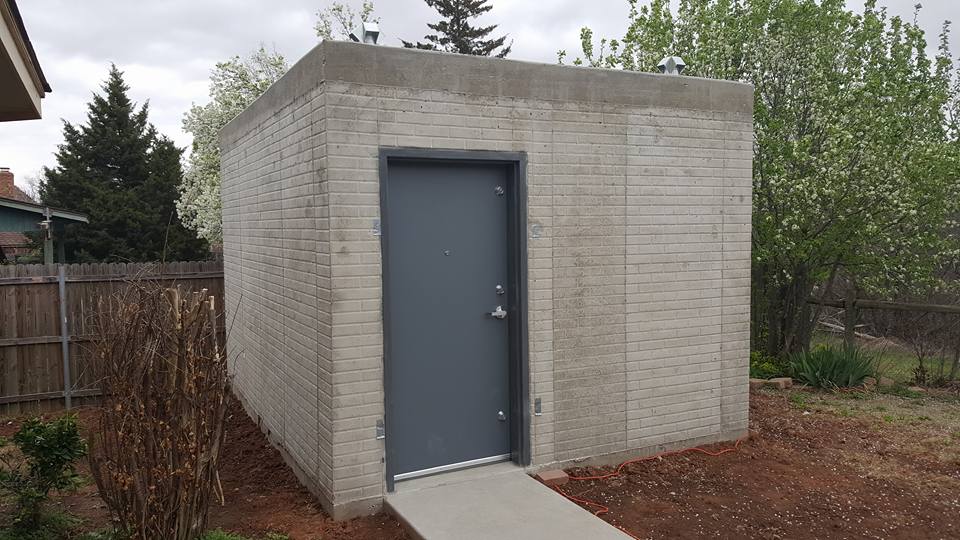
At Oklahoma Shelters, we install top-quality underground garage shelters, outdoor concrete shelters, and above-ground safe rooms across the entire state. We want to ensure your investment protects you for years to come. Regular maintenance of hinges and latches is essential for immediate readiness.
This guide provides simple steps to keep your shelter door operating smoothly.
Why Hinges and Latches Fail
Shelter components are tough. They are built to withstand immense pressure and debris impact. However, they are still subject to environmental wear.
The primary enemies of your shelter’s hardware are:
-
Moisture: Oklahoma humidity, rain, and groundwater can lead to rust. Rust causes metal parts to seize up.
-
Dirt and Grime: Dust, dirt, and debris build up over time. This gunk gets into the hinge pins and latch mechanisms, creating friction.
-
Infrequent Use: You thankfully don’t use your shelter every day. Long periods of inactivity allow rust and grime to settle, making the door stiff.
If a hinge is frozen with rust, you might not be able to pull the door open. If a latch is jammed with dirt, you might not be able to secure the door once inside. Both scenarios are dangerous.
The Maintenance Toolkit
You do not need expensive equipment to maintain your shelter door. You likely have most of these items in your garage already.
Gather these supplies before you start:
-
Stiff Wire Brush: For removing loose rust and heavy dirt deposits.
-
Rags or Shop Towels: For cleaning surfaces and wiping away excess lubricant.
-
Cleaner/Degreaser: A standard household cleaner or an automotive degreaser cuts through old grime.
-
Penetrating Oil (like WD-40): Use this only for cleaning and freeing stuck parts. It is not a long-term lubricant.
-
Long-Term Lubricant: This is crucial. Use white lithium grease (spray or paste) or a silicone-based lubricant. These withstand temperature changes and moisture better than standard oils. Avoid thick bearing grease, which attracts dirt.
Step-by-Step: Maintaining Shelter Hinges
The hinges support the entire weight of the shelter door. They must move freely. Follow these steps for smooth operation.
1. Inspect the Hinges
Open the door fully. Look closely at the hinge pins and the barrels they rotate in. Look for orange or brown stains indicating rust. Check for bent metal or obvious damage. If the metal is bent or cracked, do not attempt a DIY fix. Call a professional immediately.
2. Clean Thoroughly
Spray the hinges generously with your cleaner or penetrating oil. Let it sit for a few minutes to break down old grease. Use your wire brush to scrub away any surface rust or caked-on dirt. Wipe everything clean with a rag. The metal should be dry before the next step.
3. Apply Lubricant
Apply your long-term lubricant (white lithium grease or silicone) directly to the hinge pin area. Try to get the lubricant into the gaps where the metal parts rotate against each other.
4. Work It In
Move the door back and forth slowly several times. This action works the fresh lubricant deep into the hinge mechanism. You should feel the resistance decrease as the grease spreads.
5. Wipe Excess
Wipe away any dripping or excess lubricant on the outside of the hinge. Excess grease just acts as a magnet for new dirt.
Step-by-Step: Maintaining Latches and Locks
The latch system is what keeps the tornado out. It needs to engage easily and hold fast.
1. Test the Mechanism
With the door open, operate the latch handle. Does it move smoothly? Does the locking bolt slide fully into position? Note any sticking points or grinding sounds.
2. Clean the Moving Parts
Just like the hinges, clean the latch bolt and the handle mechanism. If your shelter has an internal locking mechanism encased in the door, look for access holes designed for lubrication. Spray penetrating oil to clean out crud. Use a rag or small brush to remove debris from the strike plate (the hole in the frame where the bolt goes).
3. Lubricate Key Points
Apply your long-term lubricant to the sliding bolt. If possible, lubricate the pivot points of the handle. Do not over-lubricate inside the locking mechanism, as this can gum up the works later. A light coating of silicone spray is often best for internal locks.
4. Verify Function
Close the door while you are inside (ensure someone knows you are doing this). Engage the latch. It should slide into place without excessive force. Disengage it and open the door to ensure you can exit easily.
Dealing with Rust
If you find minor surface rust during your inspection, address it immediately. Rust spreads quickly.
Use your wire brush to remove all loose, flaky rust until you see bare metal. Once cleaned, apply a rust-inhibiting primer to the bare spots before lubricating. This seals the metal against moisture.
If the rust is deep, causing pitting in the metal, or if the hinge pin looks significantly weakened by corrosion, this is not a DIY maintenance job. The structural integrity of the door may be compromised.
The Best Time for Maintenance
Don’t wait for a tornado watch to check your shelter. You should perform this maintenance twice a year.
A good schedule is:
-
Early Spring: Before severe weather season typically begins in Oklahoma.
-
Late Autumn: After the primary storm season has ended, to prepare it for winter dormancy.
Set a reminder on your phone calendar so you don’t forget this vital safety task.
Knowing When to Call Professionals
Regular maintenance handles normal wear and tear. However, some issues require professional attention.
Contact a reputable shelter company if you notice:
-
Structural Damage: Cracks in the welds around hinges or latches.
-
Bent Components: If the door or frame is bent, prevent the latch from lining up correctly.
-
Water Intrusion: Excessive standing water in an underground shelter might indicate a seal failure that needs professional repair.
-
Seized Parts: If a hinge or latch will not move even after applying penetrating oil, do not force it with a hammer. You could break the mount.
For more information on preparing for severe weather, you can visit resources like the National Weather Service Norman, OK office or review guidelines from FEMA regarding residential safe rooms.
Your Partner in Safety
Maintaining the latches and hinges on your storm shelter takes only a few minutes twice a year. This small investment of time ensures that your safe room is actually safe when you need it most.
If your current shelter is showing signs of age beyond simple maintenance, or if you are looking to install a new storm shelter for your home, contact us.
Oklahoma Shelters services all of Oklahoma. We offer a variety of options, including underground garage shelters, flat-top concrete shelters, and steel safe rooms. We can help you choose the right protection for your family.
Check out our specific shelter options. Don’t wait until the next storm threatens; ensure your safety today.