The Oklahoma Homeowner’s Guide to Storm Shelters and Tornado Safety
Living in Oklahoma means coexisting with some of the most powerful weather patterns on Earth. With an average of over 1,000 tornadoes striking the United States annually, the threat to life and property is constant. At Oklahoma Shelters, we believe that understanding the science of storms and the engineering of safety is the first step toward true protection.
Understanding the Threat: Supercell vs. Non-Supercell Tornadoes
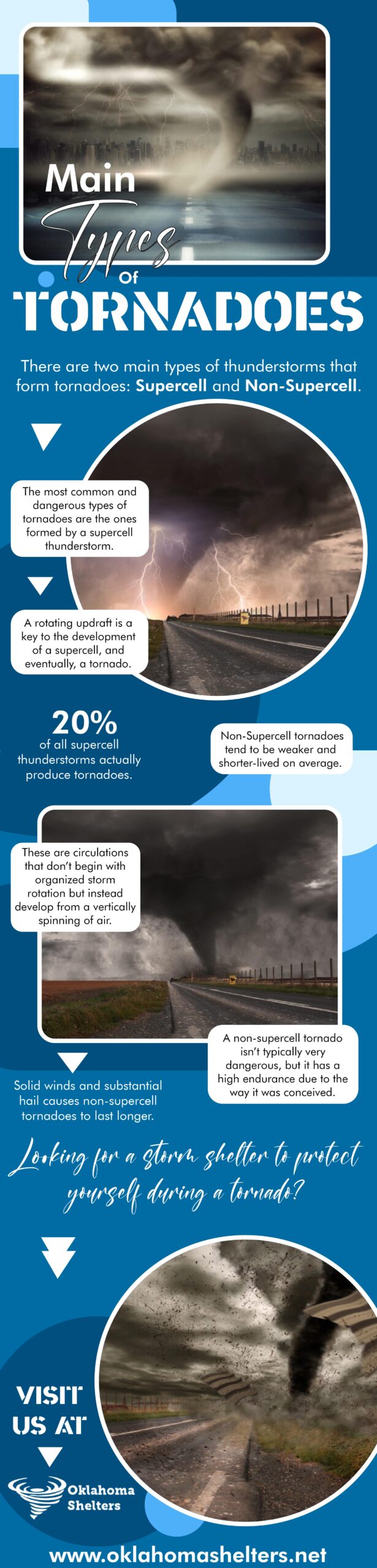
Not all tornadoes are created equal. The most dangerous and common types are formed by supercell thunderstorms. These storms are characterized by a deep, persistently rotating updraft known as a mesocyclone. This rotation is the engine that drives the development of violent tornadoes. Interestingly, only about 20% of all supercell thunderstorms actually produce a tornado, but when they do, they are often long-lived and incredibly destructive.
In contrast, non-supercell tornadoes develop differently. They do not begin with organized storm rotation. Instead, they form from vertically spinning air already present near the ground. While these tend to be weaker and shorter-lived on average, they can still possess high endurance. Substantial hail and solid winds can cause non-supercell systems to last longer than expected. Regardless of the type, any tornado requires a professional shelter plan.
Choosing the Perfect Storm Shelter
When selecting a shelter, homeowners typically choose between three main categories: underground garage units, above-ground safe rooms, and underground concrete shelters. Each offers unique advantages depending on your family’s specific needs and property layout.
Above-Ground Safe Rooms
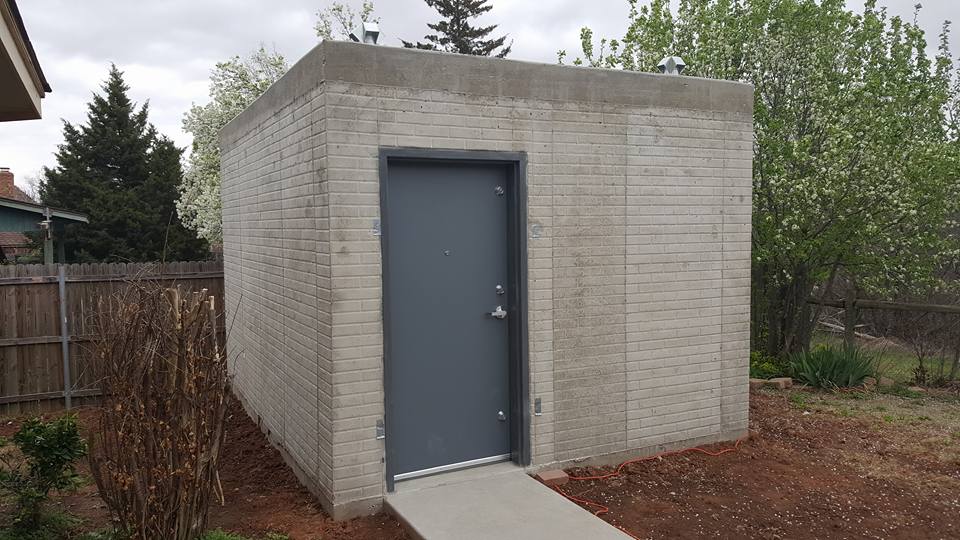
Above-ground safe rooms are high-strength units typically made of reinforced steel or concrete. They are incredibly versatile and can be installed as standalone structures in a yard or integrated directly into a garage. A primary benefit of these units is accessibility; since they sit at ground level, they are the best choice for individuals with mobility issues, seniors, or families with small children and pets.
Underground Garage Shelters
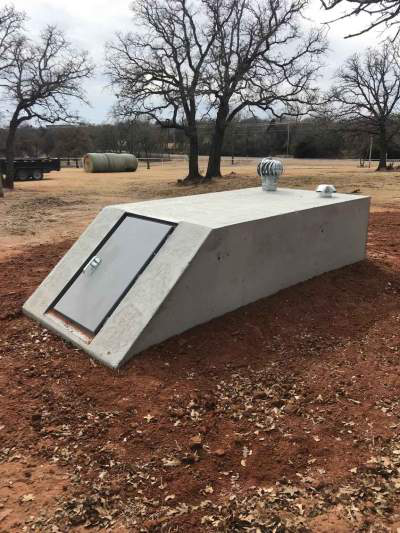
Underground garage shelters are a space-saving solution installed directly beneath the garage floor. These are highly convenient because they allow for quick, indoor access during a storm, meaning you don’t have to step out into dangerous winds or hail. While they are storm-resistant and compact, they are typically designed for short-term emergency use and may be limited by the specific footprint of your garage.
Underground Concrete Storm Shelters and Bunkers
Traditional underground concrete shelters and bunkers provide a massive shield by utilizing the earth as a natural buffer. These structures are often located in the yard and are designed to withstand extreme external pressures. While a standard concrete shelter is ideal for short-term protection, a custom-built underground bunker offers more space and can support long-term stays for multiple people, often including dedicated storage and living areas.
The Science of Bunker Safety
Many people ask if underground bunkers are truly safe. The answer lies in their proximity to the surface and their structural integrity. Being below ground level means these structures are far less likely to be affected by flying debris or collapsing buildings.
Structural Integrity and Frost Lines
Properly constructed bunkers use reinforced concrete and steel to ensure stability. One critical factor is that they are typically built below the frost line. This placement minimizes the risk of structural damage that can occur during the soil’s freeze-thaw cycles. By sitting deep in the earth, the bunker remains a robust option for severe weather events.
Ventilation and Emergency Exits
Safety inside a bunker also depends on life-support systems. Modern bunkers are equipped with advanced ventilation systems to ensure a fresh air supply for all occupants. Furthermore, multiple emergency exits are vital. These exits provide a means of escape if the primary entrance becomes blocked by debris, giving families peace of mind during and after a tornado.
Building an Effective Tornado Shelter Plan
Owning a shelter is only one part of the equation; maintaining it is equally important. Regular upkeep prolongs the lifespan of the unit and ensures it functions correctly during a crisis.
Maintenance and Inspection
Homeowners should conduct regular inspections to check for structural damage, such as cracks in the walls or floors. It is also important to look for signs of water infiltration. Applying waterproof sealant to any openings or installing a sump pump in flood-prone areas can prevent dampness. Additionally, ensure air vents are clear and doors open smoothly.
Emergency Procedures and Communication
Define clear paths to the shelter and conduct regular practice drills so every household member knows exactly what to do. Your shelter should be stocked with water, non-perishable food, first-aid kits, and important documents. Furthermore, develop a communication plan. During high network congestion, text messaging is often more reliable than voice calls for staying in touch with family and emergency services.
Why Professional Installation is Essential
A storm shelter is a long-term investment in your home’s value and your family’s safety. To ensure the highest level of protection, you must hire an experienced company that understands local geography and safety regulations. Professional installers ensure that above-ground units are correctly bolted to concrete slabs and that underground units are properly sealed and ventilated.
Are you ready to protect your loved ones and secure your peace of mind?
Whether you are looking for an economic above-ground safe room or a spacious underground bunker, our professionals can help you decide which shelter is right for your home or small business.
Contact Oklahoma Shelters Today!
Oklahoma Shelters: Your Safety is Our Mission.