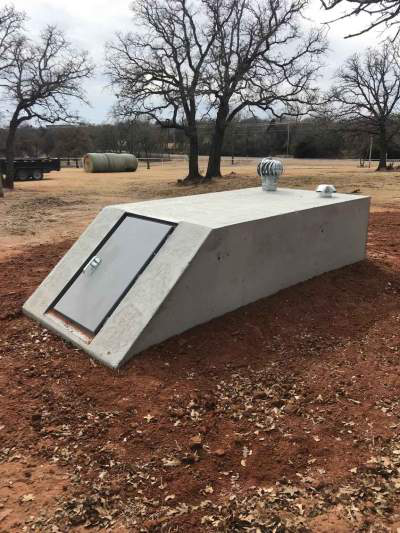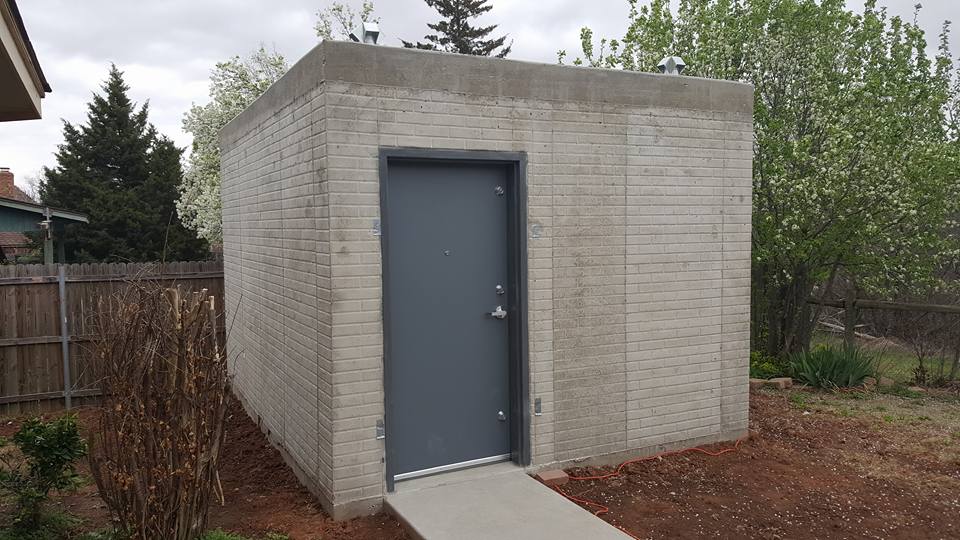
Oklahoma families face some of the strongest tornado activity in the country, so choosing the right protection matters more than ever. Many homeowners debate whether an in-ground storm shelter, Oklahoma style, is safer than an above-ground safe room. Both options offer strong protection, but their benefits differ depending on accessibility, engineering, and how fast a family needs to get inside during a tornado event.
The Strengths of In-Ground Storm Shelters
For decades, homeowners have relied on in-ground designs for maximum storm protection. These shelters sit below the earth’s surface, where the surrounding soil provides natural insulation and shielding. Concrete-based versions — like underground cement shelters and concrete storm shelter builds — offer exceptional durability, absorbing debris impact and resisting the intense pressure changes caused by Oklahoma tornadoes.
Families who prefer traditional setups often choose an in-ground storm shelter installation in a yard or beneath the garage floor. These shelters excel at staying stable during strong winds and, when properly drained and ventilated, provide a quiet, secure environment even in violent storms. Their low profile keeps outdoor space open, and many homeowners appreciate their discreet design.
Why Above-Ground Safe Rooms Are Growing in Popularity
While in-ground shelters have long been trusted, above-ground safe rooms have surged in popularity thanks to modern engineering. Steel safe rooms are designed using FEMA-guided construction, reinforced anchoring, and thick steel panels that withstand the same debris impact as underground models. Many families searching for safe rooms or storm shelters find that above-ground options are much more accessible, especially for seniors, children, and anyone with mobility challenges.
During an emergency, climbing into a below-ground hatch can be difficult — especially in high winds or heavy rain. Above-ground rooms eliminate that risk. Homeowners can walk straight in from the garage or interior hallway, making them faster and safer to reach when tornado sirens start. Even when comparing concrete designs like concrete tornado shelter units, safe rooms still offer the accessibility advantage.
Which Protection Option Is Right for Your Home?
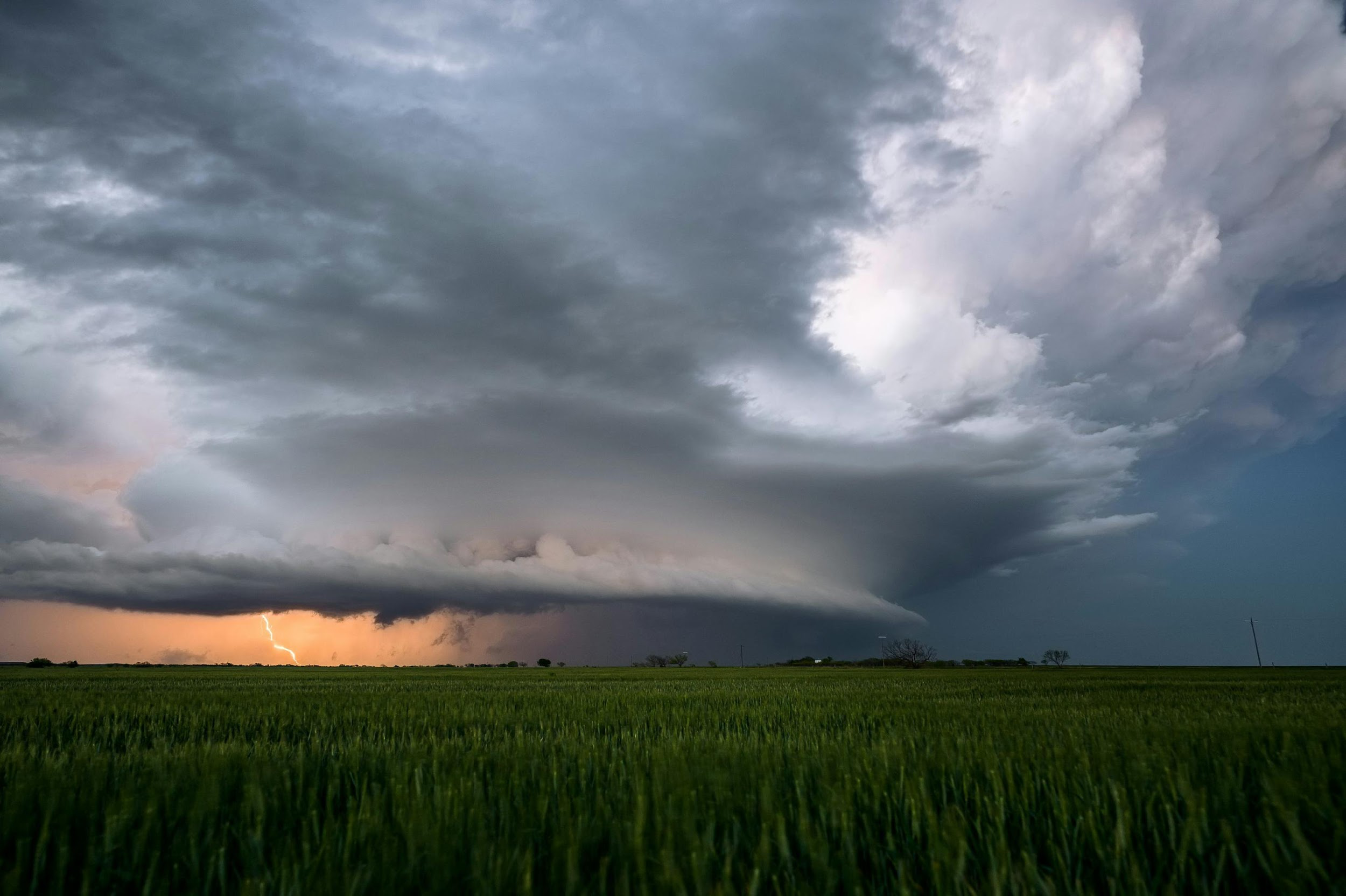
Ultimately, the choice depends on a family’s needs, layout, and comfort level. In-ground shelters provide the classic, below-surface protection many Oklahomans grew up with. They excel in long-term durability and natural insulation.
Safe rooms, on the other hand, provide unmatched accessibility, quick entry, and the convenience of being located directly inside the home. They’re also ideal for properties without the soil conditions or space available for underground construction. Families comparing tornado shelter options should consider entry speed, mobility needs, and where the shelter will fit best in their home.
Stay protected with a shelter built to handle real Oklahoma storms. Explore safe rooms, shelters, and custom underground cement options available for families across the state at Oklahoma Shelters.
FAQs from Oklahoma Shelters about In-Ground Storm Shelters vs. Safe Rooms
1. What is the fundamental difference between an in-ground storm shelter and an above-ground safe room?
Answer: The fundamental difference is location and structure. An in-ground storm shelter is installed below the ground, relying on the surrounding earth for maximum protection. An above-ground safe room is a reinforced, structural steel or concrete room built inside an existing structure or garage.
2. Which offers better overall protection against an EF5 tornado?
Answer: Both FEMA P-361 certified options provide protection against EF5 tornadoes. However, in-ground storm shelters are generally considered to offer slightly superior protection due to the significant buffering mass and stability provided by the surrounding earth.
3. Where are above-ground safe rooms typically installed?
Answer: Above-ground safe rooms are typically installed in a garage, closet, laundry room, or master bedroom closet. They are bolted securely to the existing concrete slab and are often disguised to blend seamlessly with the home’s interior.
4. Which option is more accessible for people with limited mobility?
Answer: The above-ground safe room is significantly more accessible for people with limited mobility, including the elderly or those who use wheelchairs. They eliminate the need to navigate steep stairs, which are common in below-ground shelters.
5. Does the installation cost differ between a safe room and an in-ground shelter?
Answer: Yes, installation costs can differ. Above-ground safe rooms are often less expensive to install as they do not require extensive excavation and concrete cutting, potentially lowering labor time and overall project cost.
6. Do in-ground storm shelters present a risk of flooding or groundwater seepage?
Answer: Modern, FEMA-approved in-ground storm shelters are manufactured to be watertight and are installed with specific sealing methods to minimize the risk of flooding or groundwater seepage. Proper drainage in the surrounding area is key to preventing water issues.
7. Does an above-ground safe room need to be anchored to a concrete slab?
Answer: Yes, a crucial component of an above-ground safe room’s strength is its attachment to the foundation. It must be heavily anchored to a concrete slab using specific engineering standards to prevent the entire structure from being lifted or overturned by high winds.
8. Which option is more likely to increase the resale value of a home?
Answer: Both are seen as desirable safety features, but an above-ground safe room integrated seamlessly into the house may sometimes be slightly more appealing to potential buyers. It’s often viewed as a permanent, accessible feature that doesn’t disrupt garage utility.
9. Which option provides quicker access during a sudden severe weather alert?
Answer: Access speed depends on location. An in-ground garage shelter provides faster access than an external, backyard shelter. However, an above-ground safe room inside the main living area (like a master closet) offers the absolute quickest entry time, as no stairs or garage entry are required.
10. Can I customize the interior of a safe room more easily than an in-ground shelter?
Answer: Yes, safe rooms offer more flexibility for interior customization. Since they are above ground, they can be designed with features like reinforced shelving, lighting, and comfortable seating that can double as a panic room or storage space when not in use.