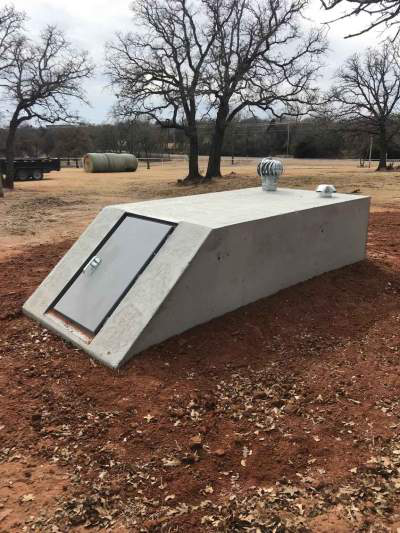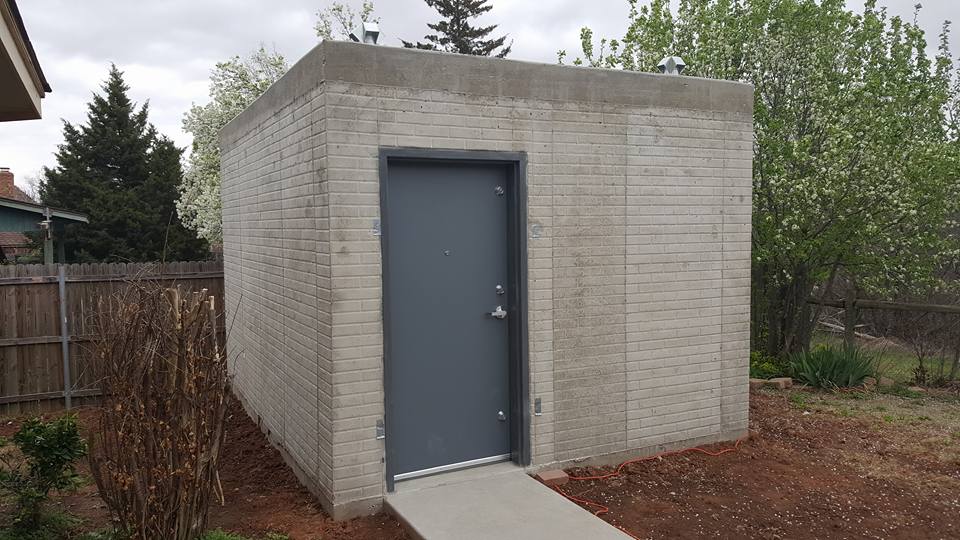
Tornado season in Oklahoma has always been intense, but in recent years, storms have become faster, stronger, and far less predictable. As a result, safe rooms are changing too. Modern designs now combine advanced engineering, reinforced materials, and precise installation methods to ensure people get the highest level of protection when the weather turns dangerous. Today’s shelters look and perform very differently from the steel boxes many remember from years ago — and that evolution is saving lives.
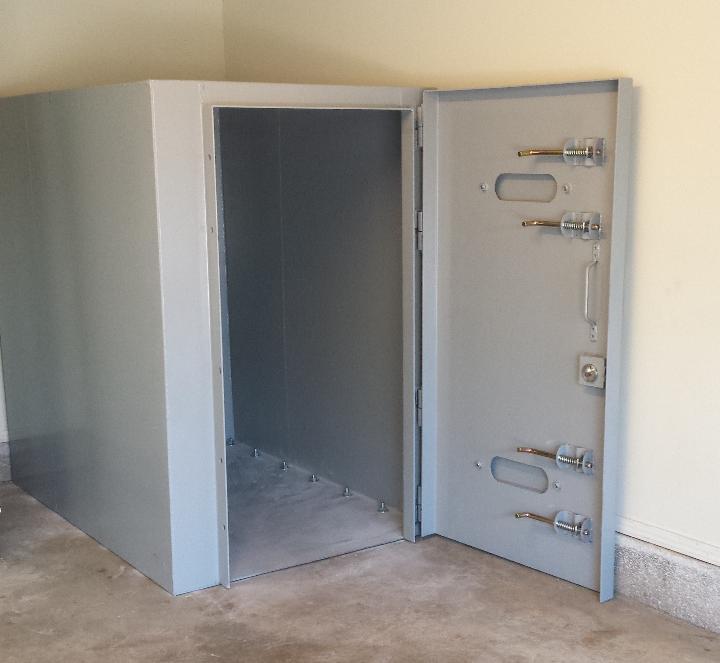
Reinforced Safe Room Materials That Withstand Stronger Storms
One of the biggest advancements in modern shelters comes from upgraded construction materials. Oklahoma homeowners now have access to steel-reinforced units, thick welded seams, and concrete-based designs that outperform older, lightweight models.
Many families choose options like underground cement shelters or concrete storm shelter installations for their unmatched density and impact resistance. Others prefer above-ground alternatives built with heavy-gauge steel panels — the same type used in certified storm shelters and safe rooms communities depend on. These reinforced materials can handle high-velocity debris impacts and pressure shifts that occur during EF-level tornadoes.
With modern engineering, safe rooms now rival or surpass the protection offered by traditional in-ground storm shelter designs.
Better Ventilation, Accessibility & Safety Features
Another major evolution is the improvement in comfort and usability. Older units often felt tight, dark, and poorly ventilated. Today’s shelters use upgraded airflow systems, wider doors, and interior space planning to make shelters safer and more accessible.
Families with seniors, children, or mobility challenges appreciate that above-ground rooms — including those designed for garages — provide easy walk-in access without stairs or hatches. These newer units also include reinforced hinges, interior locking systems, and emergency lighting setups, making them far more functional during extended weather events.
Even compact designs, such as garage-friendly or interior-room models, now offer enough space to store emergency supplies or accommodate multiple family members during long tornado warnings.
FEMA Compliance & Professional Installation Matter More Than Ever
As shelters evolve, so do safety standards. FEMA guidelines now shape everything from material strength to debris-impact resistance. Homeowners searching for a concrete tornado shelter, or a steel above-ground unit, are increasingly prioritizing FEMA-approved or FEMA-compliant structures. These shelters undergo rigorous testing to ensure they can survive real tornado conditions — not just theoretical ones.
Professional installation is equally important. Even the strongest materials won’t protect a family if a shelter isn’t anchored correctly. That’s why more residents choose reputable installers when comparing tornado shelter and safe room options. Proper anchoring, leveling, ventilation setup, and seam welding ensure the room performs exactly as intended during a storm.
Stay protected with a shelter built to handle real Oklahoma storms. Explore safe rooms, shelters, and custom underground cement options available for families across the state at Oklahoma Shelters.
People Also Ask Questions from Oklahoma Shelters about Safe Rooms
1. What are the key differences between a “Storm Shelter” and a “Safe Room” under modern codes?
Under modern codes, a Storm Shelter meets the baseline requirements of the ICC 500 standard. A Safe Room is a more stringent classification. It means the structure meets ICC 500 requirements and the additional, stringent funding criteria for near-absolute protection established by FEMA P-361.
2. How often do modern safe rooms need to be inspected or maintained?
Modern safety standards, specifically the ICC 500-2020 standard, now explicitly require annual evaluations of the storm shelter envelope and impact-protective systems. This ensures structural integrity, door functionality, and overall resilience against deterioration over time.
3. What is the ICC 500 standard, and why is it important in Oklahoma?
The ICC 500 (ICC/NSSA Standard for the Design and Construction of Storm Shelters) is the governing technical consensus standard for safe rooms in the U.S. It is crucial in Oklahoma because it provides the minimum requirements for design, materials, and testing necessary to protect occupants from EF5 tornado forces (up to 250 mph).
4. What is the latest version of the ICC 500 standard?
The latest published version of the consensus standard is ICC 500-2023. These periodic updates refine design and testing requirements, focusing on enhanced structural loads, fire safety, and critical occupant life safety requirements like ventilation and means of egress.
5. Why is ventilation a critical factor in modern safe room standards?
Ventilation is critical because it falls under the occupant life safety and health requirements emphasized in recent ICC 500 updates (2014, 2020). Standards mandate adequate fresh air exchange and specific ventilation systems to maintain a breathable environment during the minimum two hours required for sheltering during a tornado event.
6. What improvements have been made to safe room doors in recent code updates?
Recent updates in FEMA P-361 and ICC 500 have clarified and strengthened requirements for door assemblies. The focus is on ensuring the door and frame resist the same debris impact and wind pressure as the walls, use robust multi-point locking systems, and remain functional for quick ingress/egress even after structural collapse.
7. How does the current FEMA P-361 guidance affect prefabricated safe rooms?
The current FEMA P-361 (2021) guidance requires that all FEMA-funded prefabricated residential safe rooms comply with the requirements of ICC 500-2020 (or newer). Compliance with previous, older standards (like ICC 500-2014) is no longer sufficient for federal grant eligibility as of early 2024.
8. What is the new focus on “falling debris hazards” in the ICC 500-2020 update?
The ICC 500-2020 update included more explicit language regarding laydown and falling debris hazards. This means designers must now specifically consider the risks posed by the collapse of the surrounding structure (the main house) onto the shelter itself, ensuring the shelter can withstand that vertical load.
9. Why are above-ground safe rooms growing in popularity under modern standards?
Above-ground safe rooms are popular because modern standards prove they offer the same level of EF5 protection as underground shelters when properly anchored. Their primary benefit is accessibility, making them ideal for seniors and people with mobility issues, as they eliminate the danger of descending steep, potentially slippery steps.
10. Does a community safe room require a structural peer review?
Yes, under ICC 500-2020, a third-party structural peer review is typically required for community storm shelters with an occupant load of 50 or greater. This process ensures the shelter’s design and construction meet all complex structural requirements for large-capacity facilities.