When the sirens start their low, haunting wail across the Oklahoma plains, every second feels like a lifetime. If you have lived here long enough, you know the drill. You check the sky, you look at the radar, and you calculate exactly how much time you have to get to safety. For many of us, that safety is found right inside our garages.
Designing a garage storm shelter isn’t just about putting a steel box in the floor. It is about engineering peace of mind. As an Oklahoman who has seen the sky turn that bruised shade of green more times than I can count, I know that your shelter is the most important room in your house. Here is how to design one that works when it matters most.
Why the Garage is the Gold Standard for Safety
Why do so many Oklahoma residents choose the garage for their shelter location? The answer is simple: accessibility.
In the middle of a midnight tornado warning, the last thing you want to do is run through golf-ball-sized hail and 80-mph winds to get to a cellar in the backyard. A garage shelter allows you to step out of your kitchen and into your safe zone without ever facing the elements. It keeps you dry, it keeps you safe from flying debris, and it saves those precious seconds that can make all the difference.
The Two Main Types of Garage Shelters
Before you dive into the design specifics, you need to decide which “flavor” of protection fits your lifestyle.
-
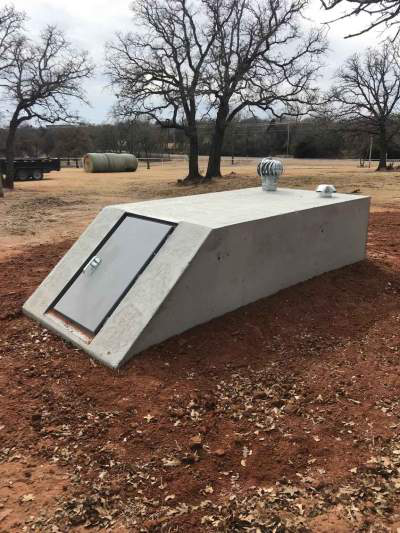
Underground Garage Shelters: These are installed by cutting into your existing garage slab. We excavate the red clay, drop in a heavy-duty steel unit, and encase it in concrete. The lid sits flush with the floor, meaning you can park your car right over it.
-
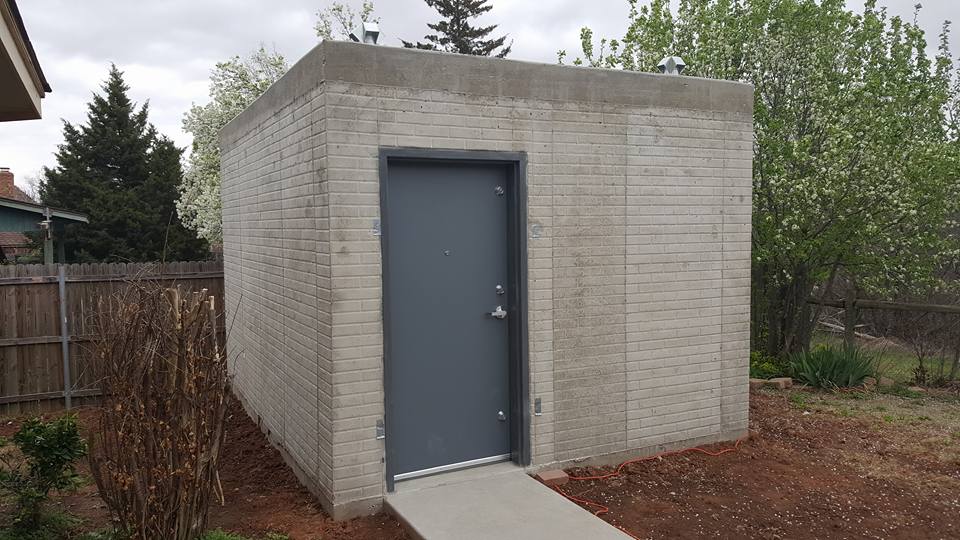
Above-Ground Safe Rooms: These are reinforced steel rooms bolted directly to your garage floor. They offer world-class protection without the need for stairs, making them the preferred choice for those with mobility issues or large pets.

Navigating the Oklahoma “Red Clay” Factor
If you have ever tried to dig a fence post in Oklahoma, you know our soil is a challenge. Our famous red clay expands when it’s wet and shrinks when it’s dry. This “heaving” can put immense pressure on underground structures.
When designing your shelter, you must account for hydrostatic pressure. This is the force exerted by water in the soil. A poorly designed underground shelter can actually “pop” out of the ground or leak if it isn’t anchored and sealed correctly.
Water Table Considerations
In certain parts of Oklahoma, particularly near river basins or low-lying areas, the water table is high. If your garage is in one of these zones, an above-ground safe room is often the smarter design choice. It eliminates the risk of water seepage and ensures your sanctuary stays dry during the torrential rains that often precede a tornado.
Engineering the Shield: FEMA and ICC Standards
Safety is not the place to look for a “DIY” bargain. A storm shelter is a life-saving piece of equipment. To ensure yours can withstand an EF5 tornado, it must meet or exceed specific national standards.
-
FEMA P-361: This is the gold standard for residential safe room construction.
-
ICC 500: This is the ICC/NSSA standard for the design and construction of storm shelters.
The Missile Impact Test
Did you know that in a major tornado, a 15-pound 2×4 wooden stud can become a missile traveling at 100 mph? Your garage shelter design must be tested to withstand these impacts. High-quality shelters use 10-gauge or 1/4-inch steel to ensure that no debris can pierce the walls or door.
Multi-Point Locking Systems
The door is the most vulnerable part of any shelter. Look for designs that feature at least three heavy-duty sliding deadbolts. When you pull that door shut, you want to feel the weight of the steel locking you into a vault.
Maximizing Your Garage Layout
Space is at a premium in most Oklahoma garages. You probably have cars, lawnmowers, and stacks of holiday decorations vying for every square inch.
Designing for a Two-Car Garage
If you have a standard two-car garage, an underground unit is usually the best space-saver. Because the lid is flush with the floor, you don’t lose any parking space.
-
Pro Tip: Always mark the edges of your shelter with bright tape or paint. This helps you guide your car into the garage so that the tires aren’t resting directly on the shelter door.
Safe Rooms and Storage
If you opt for an above-ground safe room, consider placing it in a corner. Many Oklahomans use the exterior of the safe room to mount shelving or tool racks. Some even design the interior to double as a “panic room” or a high-security gun safe during the off-season.
Accessibility: Safety for Everyone
One of the most overlooked aspects of shelter design is how you actually get into it. Panic changes things. Your heart is racing, the power might be out, and the kids might be crying.
Is an Underground Shelter Right for You?
Underground units require you to navigate a set of stairs or a ladder. If you have elderly family members or someone with a physical disability, this can be a major barrier.
-
Design Solution: Look for underground models with wide, non-slip steps and sturdy handrails rather than vertical ladders.
The Case for Above-Ground Accessibility
Above-ground safe rooms offer “zero-entry” protection. You simply walk or wheel right in. If you have a 100-pound Golden Retriever who refuses to go down stairs, or a family member in a wheelchair, the above-ground safe room is the only logical design choice.
The Installation Process: What to Expect
A professional installation is a surgical process. We don’t just “dig a hole.”
-
The Cut: We use specialized saws to cut a precise rectangle into your garage floor.
-
The Excavation: Our crews remove the dirt and rock. We handle the disposal so your driveway stays clean.
-
The Placement: The steel or concrete unit is lowered into the ground and leveled with precision.
-
The Anchoring: We use high-PSI concrete to backfill around the unit. For above-ground rooms, we use heavy-duty anchors that go deep into the slab.
-
The Finish: We smooth the concrete and ensure the lid or door operates perfectly.
Most garage shelter installations take less than a day. You can leave for work in the morning and come home to a fully protected house.
Cost vs. Value: An Oklahoma Investment
How much does a garage storm shelter cost? In Oklahoma, prices typically range from $3,000 to over $12,000 depending on the size and material. While that might seem like a significant investment, consider the long-term benefits.
The SoonerSafe Rebate Program
Oklahoma offers various rebate programs, like SoonerSafe, which can help offset the cost of your shelter. These programs are highly competitive, so having a design and a contractor ready to go is essential.
Boosting Home Value
In our state, a storm shelter is a massive selling point. Prospective buyers often prioritize homes that already have a FEMA-certified shelter in the garage. It isn’t just a safety feature; it is an asset that appreciates.
Essential Comfort and Customization
You might be in your shelter for twenty minutes, or you might be there for two hours. A little bit of design foresight goes a long way toward comfort.
-
Ventilation: Ensure your shelter has adequate air vents that are protected from debris.
-
Lighting: Always include battery-powered LED lights. Never rely on the garage lights, as the power is often the first thing to go.
-
Communication: Cell service can be spotty underground. Consider a signal booster or at least a hand-crank weather radio.
-
GPS Registration: Once your shelter is installed, register the GPS coordinates with your local fire department. If debris blocks your garage door after a storm, first responders will know exactly where to look for you.
Maintenance: Keeping the Shield Ready
A storm shelter is not “set it and forget it.” To ensure it’s ready when the dryline fires up in May, you need to perform basic maintenance.
-
Check the Seals: For underground units, ensure the lid seal is intact to keep out spiders and moisture.
-
Lube the Hinges: Use a high-quality lubricant on the door hinges and sliding bolts. You don’t want a stuck door when the sirens are blowing.
-
Inventory Check: Once a year, swap out the water and batteries in your emergency kit.
The Psychological Advantage
There is a specific kind of stress that comes with living in Tornado Alley. Every time the local meteorologist points to a hook echo on the screen, your blood pressure spikes.
Having a designed, certified, and accessible shelter in your garage changes your relationship with the weather. You aren’t a victim of the storm; you are a resident who is prepared for it. That feeling of closing the steel door and hearing the bolts slide home is the ultimate form of Oklahoma peace of mind.
Final Thoughts for Oklahoma Residents
Designing your garage storm shelter is one of the most significant decisions you will make for your home. Whether you choose a sleek underground unit or a highly accessible safe room, the key is to prioritize quality, standards, and professional installation.
Don’t wait until the clouds start rotating to think about your safety. Start your design process today.
Ready to secure your family’s future? Contact us at Oklahoma Shelters for a free consultation and let’s find the perfect fit for your garage.