Living in Tornado Alley means that severe weather isn’t a question of if, but when. The safety of your family depends on the preparations you make today. This guide outlines the essential path to security, ensuring that when the sirens blare, you have a plan in place.
WHY PREPARE NOW?
Don’t Wait for the Siren to Sound
Oklahoma’s weather is notoriously volatile. Blue skies can turn into supercells in a matter of hours. While spring is traditionally viewed as “storm season,” dangerous weather can strike year-round.
The Cost of Procrastination: Many homeowners wait until the first severe watch of the year to call for a shelter. This leads to long waiting lists, installation backlogs, and immense stress. By planning and installing your storm shelter before severe weather season peaks:
-
You Avoid the Rush: Secure your installation date on your terms, not when crews are booked out for months.
-
You Gain Peace of Mind: You eliminate the panic of watching the radar and wondering where you will go.
-
You Ensure Protection: Your shelter is ready, inspected, and registered long before the first storm forms.
FOUR KEY STEPS TO GET EMERGENCY-READY
Navigating the world of storm safety can feel overwhelming, but it boils down to four manageable steps. Follow this roadmap to secure your home.
-
Choose the right shelter type and location.
-
Place your order with a trusted provider.
-
Understand local codes and permits.
-
Complete professional installation and inspection.
1. CHOOSING YOUR STORM SHELTER
Customizing Safety for Your Lifestyle
Not all shelters are created equal, and the “best” shelter is the one that fits your home and your family’s mobility needs. You generally have three primary categories to select from:
-
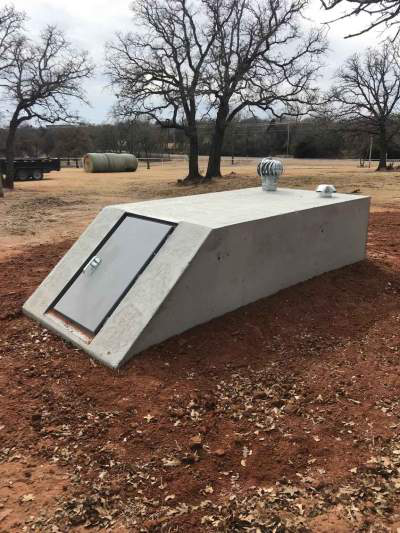
In-Ground Shelters (The Yard Install):
-
The Concept: Traditional outdoor shelters buried in the yard.
-
The Benefit: These provide discreet, underground safety and often have larger capacities for bigger families. They are excellent for those who prefer being completely separated from the house structure during a storm.
-
-
Indoor Safe Rooms (Above Ground):
-
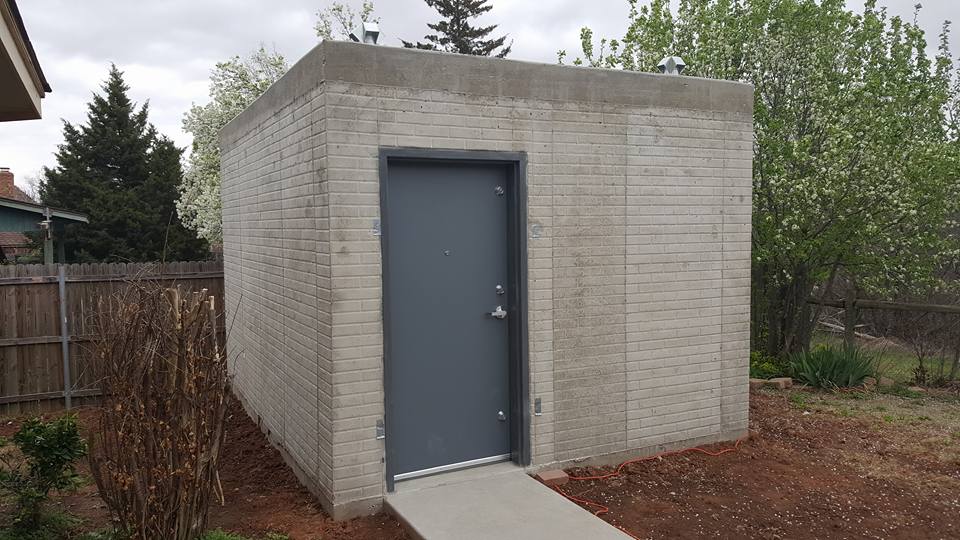
The Concept: Reinforced steel rooms bolted to the foundation inside your home, closet, or garage.
-
The Benefit: These offer the quickest access during emergencies—no running into the rain or hail. They are wheelchair accessible and ideal for elderly family members or those with mobility issues who cannot navigate steep stairs.
-
-
Garage Shelters (Underground):
-
The Concept: A steel unit installed flush with your garage floor.
-
The Benefit: This is the ultimate space-saving option. You never have to leave the protection of your roof to enter the shelter, and it doesn’t take up valuable square footage in the yard or the house. You can park your car right over it!
-
Critical Considerations: When making your choice, think beyond just “protection.” Consider Capacity (can you fit your family and pets?), Material (concrete vs. steel), and Integration (how it fits into your existing property layout).
2. PLACING YOUR ORDER
Partnering with Experience
A storm shelter is a life-saving device; this is not the time for DIY solutions or unverified contractors. Work with reputable Oklahoma providers like Oklahoma Shelters who understand the local geology and weather patterns.
What to Look For:
-
Consultations: Look for providers offering online or in-person assessments. They should be willing to look at your slab, soil, and space to recommend the safest option.
-
Transparent Pricing: You should never be surprised by hidden excavation fees or permit costs. A trustworthy company provides a clear, all-inclusive quote.
-
Model Comparisons: Your provider should help you compare different models side-by-side, ensuring the dimensions fit your space and your specific needs.
3. LOCAL REQUIREMENTS
Navigating the Red Tape
Installing a shelter is a major construction project that alters your property. Most Oklahoma municipalities—especially in metro areas like OKC, Moore, Norman, and Tulsa—have strict requirements.
-
Permits are Mandatory: Almost all cities require a building permit, especially for underground work or electrical integration.
-
Utility Safety: Before any digging begins, “Call Okie” (811) must be contacted to mark gas, water, and electric lines.
-
The Compliance Factor: Choosing expert installers is vital here. They will likely handle the permitting paperwork for you and ensure the location doesn’t violate setbacks or easement rules. This prevents costly delays or fines later.
4. INSTALLATION AND INSPECTION
From Construction to Completion
Once you have chosen your shelter and secured your permit, the physical work begins.
The Installation Timeline: Professional crews work surprisingly fast. Most installations, whether garage floor units or outdoor concrete bunkers, are completed in 1 to 2 days.
-
Day 1: typically involves excavation, placing the unit, and pouring fresh concrete.
-
Curing: There may be a short wait for concrete to cure before the shelter is fully “drive-ready” (for garage units).
The Final Verification: The job isn’t done until the inspector says so. Final inspections by city officials verify that the shelter meets all safety standards and building codes. This gives you confidence that your shelter is securely anchored and safe to use. Tip: Once approved, register your shelter with your local fire department or emergency responders so they know where to look for you after a storm.
PROTECT YOUR FAMILY TODAY
Oklahoma Shelters is Your Partner in Safety
Don’t face the next storm season unprepared. Oklahoma Shelters guides you through every step of this process, from the initial selection to the final installation cleanup.
With our expert support, getting storm-ready is straightforward, fast, and stress-free.