The air in Moore, Oklahoma, has a specific way of changing just before the sky turns that haunting shade of bruised-plum green. If you have lived here long enough, you feel it in your joints before the sirens even begin their mechanical wail. We live in a place of beautiful sunsets and terrifying horizons.
Living in Moore is a choice to reside in the crosshairs of meteorology’s most violent displays. I have stood on my porch and watched the clouds rotate more times than I care to count. I have seen the resilience of this community firsthand. But resilience is not just about rebuilding; it is about the wisdom of preparation.
In Oklahoma, we don’t just “deal” with weather. We respect it. That respect is born from the knowledge that a few minutes of preparation can be the difference between a close call and a tragedy. Whether you are a newcomer to the 405 or a lifelong resident, these four pillars of safety are the foundation of a secure home.
1. The Ultimate Fortress: Investing in a Certified Storm Shelter
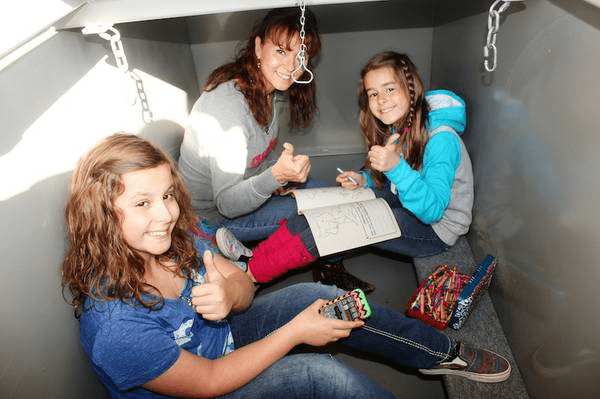
If you live in Moore, a storm shelter is not a luxury. It is an essential component of the home, as vital as the foundation or the roof. During the major events of 1999 and 2013, we learned a hard lesson: “interior rooms” are sometimes not enough when dealing with an EF4 or EF5 monster.
Why Certification Matters
When you are looking for a shelter, do not just buy the cheapest option on the market. You need to ensure your sanctuary is tested and verified.
-
Look for the Seal: Ensure your shelter meets or exceeds FEMA P-320 or ICC 500 standards.
-
Verification: Only purchase from manufacturers certified by the National Storm Shelter Association (NSSA) or the American Tornado Shelter Association (ATSA).
-
The Physics of Safety: These units are designed to withstand 250 mph winds and the impact of a 15-pound 2×4 board flying at 100 mph.
Choosing the Right Fit for Your Family
There are several varieties of shelters, each with its own merits.
-
In-Ground Garage Shelters: These are popular in Moore because they don’t take up extra square footage. You drive your car over them, and they remain flush with the floor.
-
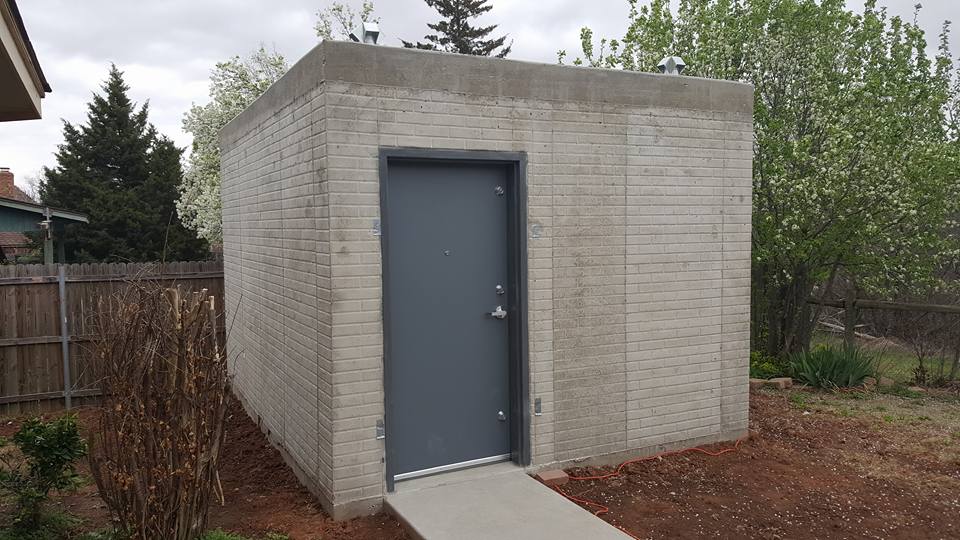
Above-Ground Safe Rooms: These are ideal for those with mobility issues or those who cannot navigate steep stairs quickly. Modern steel safe rooms are incredibly sophisticated and can be bolted directly to a reinforced concrete slab.
-
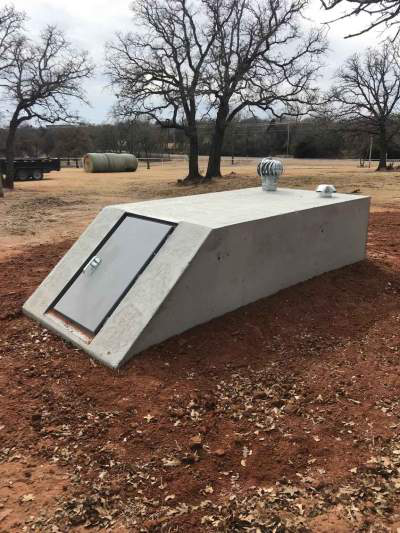
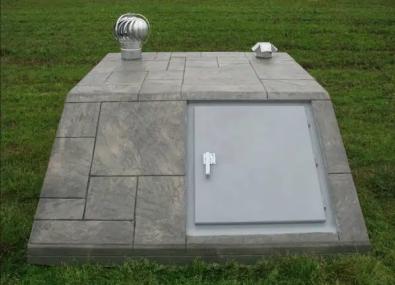
Outdoor Concrete Bunkers: The classic Oklahoma “fraidy hole.” These are durable and offer a sense of traditional security, though they require you to step outside into the elements to reach them.
Don’t Forget to Register
Once your shelter is installed, you must register it with the City of Moore. Why? Because if a storm hits and debris covers your exit, the first responders need to know exactly where you are located. It is a simple step that could save your life during the recovery phase.
2. The Anatomy of a Top-Shelf Emergency Kit
Think of your emergency kit as your “survival insurance policy.” You hope you never have to “claim” it, but you’ll be glad it’s there when the power cuts and the world goes dark. In Moore, we call this the “Go-Bag,” and it needs to be more than just a couple of granola bars and a bottle of water.
The Essentials: The “Rule of Three”
You can survive three weeks without food, three days without water, but only three minutes without air (or safety). Your kit should reflect these priorities.
-
Water: At least one gallon per person per day for at least three days.
-
Food: High-calorie, non-perishable items. Think protein bars, canned meats, and dried fruits.
-
First Aid: A professional-grade kit that includes trauma dressings, antiseptic, and a manual on how to use them.
The “Moore-Specific” Additions
Because we deal with high-impact debris, Oklahomans need to add a few unique items to their kits:
-
Sturdy Shoes: This is the most overlooked item. If your house is damaged, you will be walking on broken glass, nails, and splintered wood. Keep a pair of old work boots inside your shelter.
-
Helmets: It may look silly until the debris starts flying. Bicycle or batting helmets can prevent the head injuries that are often fatal in tornadoes.
-
Personal Documents: Place copies of your ID, insurance policies, and birth certificates in a waterproof, fireproof bag. If the house is gone, these papers are your bridge to recovery.
The Power of Light and Sound
When the sirens stop, the silence can be deafening. You need a way to hear what’s coming next.
-
NOAA Weather Radio: Get one with a hand-crank or battery backup. Do not rely solely on your phone; cell towers are often the first things to go.
-
Tactical Flashlights: LED lights with extra batteries are mandatory. Avoid candles, as gas leaks are a common post-tornado hazard.
3. Mastering the Information Pipeline
How do you know when to move? In Moore, we have developed a sophisticated “vibe check” for the atmosphere, but you need data to back up your intuition. Understanding the terminology and the technology is your first line of defense.
Decoding the Language of the Skies
Do you know the difference between a “Watch” and a “Warning”? It is a common question, and the distinction is life-saving.
-
Tornado Watch: This means the “ingredients” for a tornado are in the atmosphere. The sky is “primed.” You should be vigilant, fueled up, and ready to act.
-
Tornado Warning: This means a tornado has been sighted or indicated by radar. The threat is imminent. This is not the time for a “look-see” on the porch. This is the time to be in your shelter.
Technology is Your Friend
We are blessed in Central Oklahoma with some of the best meteorologists in the world.
-
Multiple Apps: Don’t just rely on one. Have the weather apps for local stations like KFOR, KWTV, or KOCO.
-
Wireless Emergency Alerts (WEA): Ensure these are turned “ON” in your smartphone settings. They will bypass “Do Not Disturb” modes during extreme emergencies.
-
The Sound of the Siren: Remember, sirens are an outdoor warning system. They are designed to tell people at the park or in their yards to get inside. They are not meant to wake you up through a brick house during a thunderstorm.
The Human Element
Have a “Weather Buddy.” This is someone outside of the immediate strike zone (perhaps in another state) who can monitor the radar and call you if things look bad. Sometimes, when you are in the thick of a storm, your local internet might lag. Having a voice on the phone telling you, “It’s crossing I-35 now,” is invaluable.
4. The Physical Plan: Hardening Your Home and Your Habits
Safety isn’t just about what you own; it’s about what you do. A shelter is useless if you can’t get to it, and a kit is a burden if it’s buried under a pile of laundry. You need to harden your home and your household habits.
Maintenance as Defense
Your home can be a shield if you treat it right.
-
Tree Trimming: Dead branches are unguided missiles. Keep your trees trimmed away from your roofline. In Moore, a healthy tree is a safe tree.
-
Garage Door Bracing: The garage door is often the weakest point of a house. If the wind gets under it, it can create enough pressure to lift the roof off. Consider a garage door reinforcement kit or a wind-rated door.
-
Clear the Launchpad: When a “Watch” is issued, take five minutes to bring in patio furniture, hanging plants, and those heavy decorative gnomes. If it isn’t bolted down, it’s a projectile.
The “Two-Minute Drill”
Can your entire family get to the shelter in under two minutes? Have you ever practiced it at 2:00 AM?
-
The Drill: Run a surprise drill once a month during the spring.
-
The Pet Plan: Don’t forget your furry family members. Have leashes and crates located near the shelter entrance. A panicked cat is hard to find when the wind starts to roar.
-
The “All-Clear” Protocol: Define what “safe” looks like. Don’t leave the shelter until you have confirmation from the radio or your “Weather Buddy” that the cell has passed.
Communication After the Storm
In the event of a major hit, local cell towers will be jammed.
-
Text, Don’t Call: Texts use less bandwidth and are more likely to go through when a voice call fails.
-
Social Media: Use the “Safety Check” features on platforms like Facebook to let everyone know you’re okay all at once.
Why Preparation is the Ultimate Peace of Mind
I’ve lived through the 1999 May 3rd outbreak. I’ve seen the way Moore comes together when the debris is cleared. There is a specific kind of “Oklahoma Strong” that exists here, but that strength is built on the backs of prepared citizens.
When you take these four steps—installing a shelter, building a kit, staying informed, and practicing your plan—the fear begins to dissipate. You stop feeling like a victim of the clouds and start feeling like a master of your environment.
The sophisticated homeowner knows that nature is indifferent. The wind doesn’t care about your mortgage or your memories. It is up to you to protect them. By following these essential safety tips, you aren’t just surviving; you are thriving in the heart of the plains.
Frequently Asked Questions from Oklahoma Shelters
What is the safest room in an Oklahoma home without a basement? The safest place is an interior room on the lowest floor, such as a closet or bathroom, away from windows. Putting as many walls as possible between you and the outside is key.
How often should I update my emergency kit? Check your kit every six months. Rotate out food and water, check battery levels, and ensure clothing or shoes still fit (especially for growing children).
Are Moore’s outdoor sirens tested regularly? Yes, Moore typically tests its sirens every Saturday at noon, provided the weather is clear. If it is an overcast or stormy day, they skip the test to avoid confusion.
Should I open my windows during a tornado to equalize pressure? No. This is an old myth. Opening windows actually allows wind to enter the home and can cause the roof to be lifted off more easily. Keep your windows closed and move to your shelter immediately.
Final Thoughts from a Moore Resident
The sky is a big, beautiful canvas in Oklahoma. We get to see the storm coming from miles away, which is a gift if you know how to use that time. Don’t wait for the sirens to start before you wonder where your flashlight is. Be the person who is already in the shelter, shoes laced tight, radio on, waiting for the “all clear.”
Stay safe, stay prepared, and remember: we are Moore, and we know how to handle the wind.